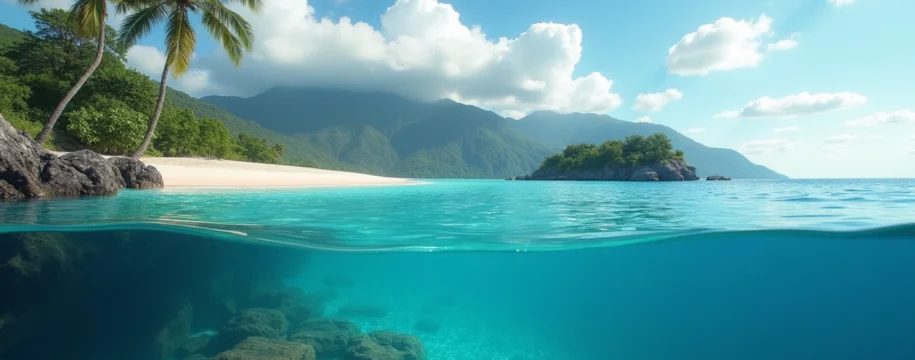
In our hyperconnected world, where notifications ping endlessly and urban environments buzz with constant stimulation, the human psyche increasingly yearns for genuine respite. Remote islands represent the antithesis of modern life’s relentless pace, offering sanctuaries where time moves differently and the soul can truly decompress. These isolated destinations provide more than scenic beauty; they deliver profound psychological restoration through their unique combination of geographic separation, cultural authenticity, and pristine natural environments.
The appeal of island destinations extends beyond their obvious aesthetic charm. Research consistently demonstrates that isolation from familiar environments triggers specific neurological responses that promote mental clarity and emotional well-being. When you step onto a remote island, you’re not simply changing your location—you’re entering an entirely different sensory ecosystem that fundamentally alters your cognitive state. The absence of urban noise pollution, the rhythmic sounds of ocean waves, and the expansive horizons all contribute to what psychologists term “restorative environmental experiences.”
Geographic isolation and psychological restoration mechanisms in remote island destinations
The therapeutic benefits of geographic isolation on remote islands stem from several interconnected psychological mechanisms that work synergistically to promote mental restoration. When you remove yourself from familiar environments and place yourself in isolated settings, your brain undergoes what researchers call “cognitive refreshing”—a process where overworked neural pathways can rest while new connections form. This phenomenon is particularly pronounced on remote islands where the dramatic environmental shift from urban to natural settings creates optimal conditions for psychological reset.
Remote islands naturally eliminate what psychologists term “directed attention fatigue,” a condition prevalent in modern life where constant decision-making and information processing exhaust mental resources. The simplified environmental choices available on isolated islands—where to walk along the beach, when to watch the sunset, which tide pool to explore—allow your cognitive systems to operate in a more relaxed, intuitive mode. This shift from analytical to contemplative thinking patterns promotes the kind of mental restoration that busy professionals desperately need.
Acoustic isolation effects in the maldives archipelago and seychelles outer islands
The acoustic environment of remote islands like those in the Maldives archipelago and Seychelles outer islands creates unique conditions for auditory restoration. Unlike urban environments where sound pollution can reach levels of 70-85 decibels, remote islands typically maintain ambient sound levels below 40 decibels—comparable to a quiet library. This dramatic reduction in noise pollution allows your auditory system to recalibrate, improving your ability to detect subtle natural sounds that have therapeutic properties.
The rhythmic sound of ocean waves, scientifically known as “pink noise,” has measurable effects on brainwave patterns, promoting the alpha wave states associated with relaxation and creativity. When you spend extended periods in these acoustically pure environments, your nervous system gradually downregulates stress responses, leading to improved sleep quality and enhanced mental clarity. The absence of mechanical sounds—no traffic, machinery, or electronic devices—allows your brain to process the complex symphony of natural sounds that islands provide.
Circadian rhythm regulation through natural light cycles on socotra island
Remote islands like Socotra offer unparalleled opportunities for circadian rhythm restoration through exposure to natural light cycles unfiltered by urban light pollution. The absence of artificial lighting allows your body’s internal clock to synchronise with natural solar patterns, improving sleep quality and hormonal balance. This regulation is crucial for travellers suffering from chronic stress or disrupted sleep patterns common in modern urban life.
The intensity and quality of natural light on isolated islands differs significantly from urban environments. Morning sunlight on remote islands contains higher concentrations of blue light wavelengths that signal your brain to increase alertness and reduce melatonin production. Conversely, the warm, orange-tinted light during island sunsets naturally triggers melatonin production, preparing your body for restorative sleep. This natural light therapy effect can help reset disrupted circadian rhythms within just a few days of arrival.
Biophilic response triggers in untouched ecosystems of lord howe island
The pristine ecosystems found on remote islands like Lord Howe Island trigger powerful biophilic responses—innate human tendencies to connect with nature that evolved over millions of years. These responses include measurable decreases in cortisol levels, reduced blood pressure, and improved immune function. The diversity of natural stimuli available on untouched islands—from unique flora and fauna to pristine marine environments—provides rich sensory experiences that urban environments simply cannot replicate.
When you encounter endemic species found nowhere else on Earth, your brain releases specific neurotransmitters associated with wonder and discovery. This neurochemical response, often called “awe,” has been linked to improved psychological well-being and increased life satisfaction. Remote islands offer concentrated doses of these awe-inspiring experiences, from observing rare seabird colonies to discovering unique geological formations shaped by millennia of isolation.
Stress cortisol reduction patterns in Car-Free environments like hydra island
Car-free islands like Hydra in Greece provide unique environments where stress-inducing stimuli common in modern life are entirely absent. The elimination of traffic noise, exhaust fumes, and the constant vigilance required for navigating vehicular environments allows your stress response systems to fully deactivate. Research indicates that cortisol levels can drop by up to 40% within 72 hours of arriving in completely car-free environments.
The walking-based transportation systems on car-free islands promote gentle physical activity that further enhances stress reduction. The combination of regular movement, fresh ocean air, and the absence of time pressures associated with vehicular transport creates optimal conditions for stress hormone regulation. This physiological reset can have lasting effects that extend well beyond your island stay, providing tools for better stress management in daily life.
Cultural immersion dynamics and authentic heritage preservation systems
Remote islands serve as living museums where authentic cultural practices persist largely unchanged by globalisation pressures. These destinations offer opportunities for genuine cultural immersion that mainstream tourist areas can rarely provide. When you visit isolated island communities, you’re not observing performed culture for tourist consumption—you’re witnessing authentic ways of life that have evolved in isolation over generations. This authenticity creates profoundly meaningful travel experiences that satisfy deeper psychological needs for connection and understanding.
The small scale of remote island communities naturally facilitates intimate cultural exchanges that would be impossible in larger destinations. With populations often numbering in the hundreds rather than millions, visitors can form genuine relationships with locals, learning about traditional practices through direct participation rather than passive observation. This personal connection to place and people creates lasting memories and perspectives that continue to enrich your worldview long after returning home.
Traditional fishing communities integration on faroe islands and orkney
The traditional fishing communities on the Faroe Islands and Orkney provide exceptional opportunities for cultural integration through participation in time-honoured maritime practices. These communities maintain fishing traditions that span centuries, offering visitors chances to learn traditional boat-building techniques, participate in seasonal fishing expeditions, and understand the deep connection between island life and ocean rhythms. The integration process often involves staying with fishing families who share their knowledge through hands-on experience rather than formal tourism programs.
Participation in traditional fishing activities provides insights into sustainable resource management practices that have allowed these communities to thrive in harsh environments for generations. You can learn about weather reading, traditional navigation techniques, and the social structures that support maritime communities. These experiences offer valuable perspectives on resilience and adaptation that prove relevant to modern environmental challenges.
Indigenous storytelling traditions in easter island and pitcairn island settlements
The indigenous storytelling traditions preserved on Easter Island and Pitcairn Island settlements offer unique windows into oral history preservation and cultural transmission methods. These traditions encompass creation myths, navigation stories, and historical accounts that have been passed down through generations without written records. Participating in storytelling sessions provides profound insights into different ways of understanding time, space, and human relationships with the natural world.
The storytelling traditions on these remote islands often incorporate complex astronomical knowledge, ecological observations, and social wisdom that has practical applications for modern visitors. The narrative structures used in indigenous stories can teach alternative problem-solving approaches and provide frameworks for understanding environmental relationships that differ significantly from Western scientific paradigms. These cognitive tools can enhance your ability to think creatively about challenges in your own life.
Artisanal craft workshops and skills transfer programs in aran islands
The Aran Islands maintain exceptional artisanal craft traditions through formal and informal skills transfer programs that welcome visitors as apprentices. The famous Aran sweater knitting techniques, traditional basket weaving, and stone wall construction methods represent centuries of refined craftsmanship adapted to harsh island environments. Participation in these craft workshops provides hands-on learning experiences that engage different cognitive processes than typical tourist activities.
The meditative aspects of traditional crafts practiced on the Aran Islands offer therapeutic benefits similar to mindfulness practices. The repetitive motions involved in knitting or weaving, combined with the focus required for learning new skills, create natural states of concentration that promote stress reduction and mental clarity. Many visitors report that craft skills learned on islands become lifelong hobbies that continue providing stress relief and creative satisfaction.
Local dialect preservation initiatives on isle of man and shetland islands
The dialect preservation initiatives on the Isle of Man and Shetland Islands provide fascinating insights into linguistic diversity and cultural identity maintenance. These programs often welcome visitors to participate in language learning sessions, traditional song workshops, and dialectal poetry readings. Exposure to unique linguistic patterns stimulates neural plasticity and provides cognitive benefits similar to learning new languages, while also deepening cultural understanding.
The process of learning local dialects on remote islands reveals how language shapes perception and cultural identity. Many island dialects contain specialized vocabulary for describing weather patterns, marine conditions, and ecological relationships that standard languages lack. This linguistic precision reflects the deep environmental knowledge that island communities have developed through generations of careful observation and adaptation.
Biodiversity hotspot exploration and endemic species discovery opportunities
Remote islands represent some of Earth’s most significant biodiversity hotspots, where isolation has driven evolutionary processes that created unique species found nowhere else on the planet. These natural laboratories offer unparalleled opportunities for wildlife observation and ecological education that can fundamentally change how you understand the natural world. When you encounter endemic species on remote islands, you’re witnessing the results of millions of years of evolutionary experimentation in isolated environments.
The concentrated nature of island biodiversity makes these destinations ideal for developing ecological awareness and conservation consciousness. Unlike continental environments where species may be widely dispersed, islands present ecosystems in miniature where you can observe complete ecological relationships within relatively small areas. This compressed biodiversity enables deeper understanding of ecological principles and conservation challenges that apply globally.
The accessibility of wildlife on remote islands often exceeds that of mainland destinations, as many island species evolved without major predators and show less fear of humans. This fearlessness creates extraordinary opportunities for wildlife photography and behavioural observation that would be impossible in other environments. The ability to observe animals in their natural behaviours at close range provides insights into species adaptation and survival strategies that enhance appreciation for evolutionary processes.
Madagascar’s unique lemur research stations and conservation programs
Madagascar’s lemur research stations offer visitors unprecedented opportunities to participate in ongoing conservation research while observing endemic primates found nowhere else on Earth. These programs typically involve tracking lemur troops through various forest habitats, recording behavioural observations, and assisting with population monitoring efforts. Participation in research activities provides hands-on education about conservation science while contributing to meaningful wildlife protection efforts.
The diversity of lemur species across Madagascar’s various ecosystems demonstrates adaptive radiation—how single ancestral species evolve into multiple specialised forms. Observing different lemur species in their specific habitat niches illustrates evolutionary principles in ways that textbook learning cannot match. The research stations often provide expert guidance from primatologists who can explain the complex social structures and ecological relationships that characterise different lemur communities.
Galápagos islands marine iguana behavioural studies and observation points
The Galápagos Islands’ marine iguana populations provide exceptional opportunities for observing adaptation to marine environments in reptilian species. These unique creatures represent the only sea-going iguanas on Earth, having evolved specialised physiological features for diving and feeding on marine algae. Designated observation points throughout the islands allow detailed study of their feeding behaviours, thermoregulation strategies, and social interactions without disturbing natural behaviours.
The marine iguanas’ seasonal behavioural changes provide insights into how species adapt to environmental fluctuations. During different seasons, you can observe variations in feeding patterns, territorial behaviours, and reproductive displays that demonstrate behavioural plasticity in response to changing conditions. These observations illustrate the complex relationships between environmental factors and animal behaviour that characterise healthy ecosystems.
New zealand’s subantarctic islands seabird colonies and research facilities
New Zealand’s subantarctic islands host some of the world’s largest and most diverse seabird colonies, offering unmatched opportunities for avian observation and research participation. These islands serve as breeding grounds for numerous endemic seabird species, including several albatross species, petrels, and cormorants that depend on isolated island environments for successful reproduction. Research facilities on these islands often welcome visitors to assist with bird banding, population surveys, and behavioural studies.
The seabird colonies demonstrate complex ecological relationships between marine and terrestrial environments. Observing how seabirds transport marine nutrients to island ecosystems through their guano deposits illustrates the interconnectedness of ocean and land environments. The seasonal timing of breeding cycles also provides insights into how species have adapted to optimise reproductive success within narrow environmental windows.
Tasmania’s devil conservation areas and nocturnal wildlife tracking
Tasmania’s devil conservation areas offer unique opportunities to participate in nocturnal wildlife tracking programs designed to monitor endangered Tasmanian devil populations. These programs typically involve radio tracking, camera trap monitoring, and behavioural observation sessions conducted during evening hours when devils are most active. Participation provides insights into conservation challenges facing endemic species while contributing to research efforts essential for species recovery.
The nocturnal tracking experiences reveal the hidden world of island ecosystems that remain invisible during daylight hours. Using specialised equipment and techniques developed by conservation researchers, you can observe predator-prey relationships, territorial behaviours, and feeding patterns that characterise Tasmania’s unique mammalian fauna. These experiences often challenge assumptions about wildlife behaviour and demonstrate the complexity of conservation work in island environments.
Sustainable tourism infrastructure and Low-Impact accommodation models
Remote islands increasingly pioneer sustainable tourism infrastructure that minimises environmental impact while maximising visitor experiences. These destinations often serve as testing grounds for innovative accommodation models, renewable energy systems, and waste management solutions that could transform tourism industry practices globally. When you stay in sustainable facilities on remote islands, you’re participating in real-world experiments in responsible travel that demonstrate how tourism can support rather than degrade fragile environments.
The resource constraints inherent to island environments naturally encourage conservation-minded approaches to tourism development. Limited freshwater supplies, restricted waste disposal options, and energy generation challenges force tourism operators to develop creative solutions that often exceed mainland sustainability standards. These innovations frequently include rainwater harvesting systems, solar and wind power integration, composting toilet facilities, and locally sourced construction materials that blend seamlessly with natural landscapes.
Sustainable island accommodations often incorporate traditional building techniques and materials that have been tested by generations of island inhabitants. These approaches typically result in structures that are better adapted to local climate conditions while requiring fewer imported materials and less energy for heating or cooling. Staying in accommodations that use traditional architectural principles provides insights into sustainable living practices that remain relevant for modern environmental challenges.
The economic models supporting sustainable island tourism often emphasise local ownership and community benefit rather than external investment and profit extraction. This approach ensures that tourism revenues directly support island communities while incentivising preservation of the natural and cultural resources that attract visitors. Participating in community-owned tourism initiatives provides opportunities to understand alternative economic models that prioritise long-term sustainability over short-term profit maximisation.
Digital detox frameworks and connectivity limitation strategies
Remote islands naturally provide ideal environments for digital detox experiences due to limited internet infrastructure and mobile phone coverage. This technological isolation, while initially challenging for hyperconnected individuals, creates opportunities for cognitive reset and restoration that proves increasingly valuable in our digital age. The enforced disconnection from constant notifications, social media updates, and email pressures allows your attention span to recover and your capacity for deep thinking to regenerate.
The absence of reliable digital connectivity on remote islands encourages rediscovery of non-digital entertainment and communication methods. You might find yourself engaging in extended conversations, reading physical books, playing card games, or simply observing natural phenomena without the urge to photograph and share every moment. This shift from external validation-seeking behaviours to internal satisfaction can have lasting positive effects on mental health and personal relationships.
Many remote islands offer structured digital detox programs that gradually reduce technology dependence while providing alternative activities to fill the time typically spent on devices. These programs often include mindfulness training, nature journaling, artistic activities, and physical challenges that engage different cognitive and physical systems than digital device usage. The combination of reduced technology access and alternative engagement strategies can help establish healthier technology usage patterns that persist after returning home.
The experience of digital disconnection on remote islands often reveals the extent to which constant connectivity affects cognitive function and emotional regulation. Without the dopamine hits
associated with social media interactions and email responses, many visitors to remote islands report experiencing what psychologists term “cognitive flexibility recovery”—the restoration of creative problem-solving abilities that constant digital stimulation can impair. This mental clarity often persists for weeks after returning to connected environments, providing lasting benefits that justify the temporary inconvenience of disconnection.
Adventure tourism methodologies and risk assessment protocols for island exploration
Remote island exploration requires sophisticated risk assessment protocols that account for the unique challenges posed by isolated environments where emergency services may be hours or days away. Professional adventure tourism operators have developed comprehensive methodologies that balance authentic wilderness experiences with prudent safety measures, ensuring that curious travellers can explore remote islands while maintaining acceptable risk levels. These protocols typically involve detailed pre-trip medical screening, emergency communication systems, and staged exposure to challenging conditions that gradually build participant confidence and competency.
The methodologies employed for safe remote island exploration often incorporate lessons learned from maritime rescue operations and wilderness medicine practices. Risk assessment begins during the planning phase, where factors such as weather patterns, tidal variations, medical evacuation possibilities, and participant fitness levels are carefully evaluated. Modern adventure tourism operators utilise satellite communication devices, GPS tracking systems, and detailed emergency action plans that account for various scenarios from minor injuries to severe weather events that could isolate groups for extended periods.
Adventure activities on remote islands frequently involve multi-environmental challenges that require specialised safety protocols. Whether you’re sea kayaking between uninhabited islets, hiking across volcanic terrain, or snorkelling in waters far from medical facilities, each activity demands specific risk mitigation strategies. Professional guides trained in wilderness first aid and rescue techniques provide essential safety oversight while ensuring that risk management measures don’t compromise the authentic adventure experience that draws travellers to remote islands.
The development of adventure tourism methodologies for remote islands has been significantly influenced by military survival training and expedition planning practices. These approaches emphasise redundancy in critical systems, contingency planning for equipment failures, and the psychological preparation necessary for operating in environments where self-reliance becomes paramount. Understanding these methodologies can help individual travellers make informed decisions about their own risk tolerance and preparation levels when planning remote island adventures.
Risk assessment protocols for remote island exploration must account for environmental hazards that rarely exist in mainstream tourism destinations. These include unpredictable weather changes, dangerous marine life encounters, unstable volcanic terrain, and the potential for becoming stranded due to equipment failures or weather conditions. Professional operators conduct detailed briefings that educate participants about these risks while providing practical skills for risk recognition and mitigation. The education component often proves as valuable as the safety measures themselves, as informed travellers make better decisions throughout their island experiences.
Modern adventure tourism on remote islands increasingly incorporates technology solutions that enhance safety without diminishing the authentic wilderness experience. Satellite emergency beacons, weather monitoring systems, and GPS tracking devices provide essential safety nets while remaining unobtrusive during normal operations. However, the most effective risk management strategies still rely on human expertise, proper training, and conservative decision-making processes that prioritise participant safety over adventure objectives when conditions warrant such prioritisation.
The psychological aspects of risk management in remote island environments require special attention, as the isolation and beauty of these destinations can lead to overconfidence or poor decision-making. Effective adventure tourism methodologies include psychological preparation components that help participants understand how isolation and natural beauty can affect judgment. This preparation often involves simulation exercises, scenario-based training, and frank discussions about the psychological challenges of operating in environments where rescue may be delayed or impossible.
Remote island adventure tourism has evolved sophisticated protocols for managing group dynamics and individual capabilities within challenging environments. These methodologies recognise that group cohesion and individual confidence significantly impact safety outcomes, leading to careful participant selection processes and team-building activities that occur before exposure to high-risk situations. The most successful programs create graduated challenge progressions that allow participants to develop competency and confidence while maintaining appropriate safety margins throughout their island exploration experiences.