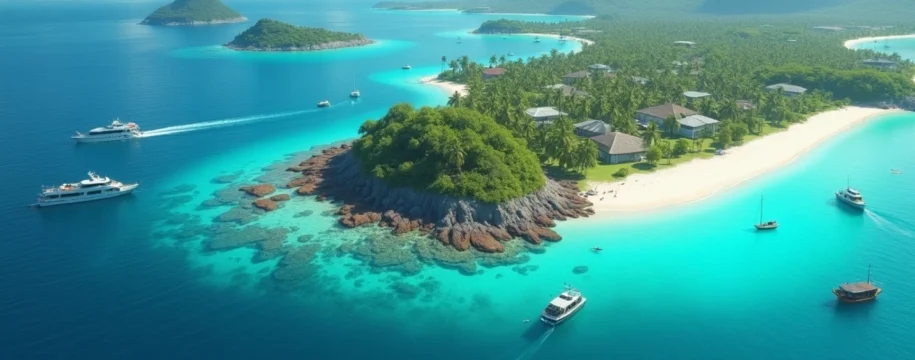
Island-hopping represents the pinnacle of travel flexibility, offering adventurous souls the freedom to craft their journeys according to personal preferences, weather conditions, and spontaneous discoveries. Unlike traditional package holidays or rigid cruise itineraries, this dynamic form of exploration allows travellers to adapt their routes in real-time, extending stays on captivating islands while bypassing those that don’t resonate. From the sun-drenched Greek Cyclades to the pristine atolls of the Maldives, island-hopping transforms travel from a predetermined schedule into an organic adventure where each destination becomes a launching pad for the next discovery.
The inherent nature of island destinations creates unique opportunities for flexible travel planning. Each island maintains its distinct character, culture, and attractions, yet remains connected through various transportation networks that enable seamless transitions between destinations. Modern travellers can leverage advanced booking systems, real-time weather monitoring, and diverse accommodation options to create truly personalised experiences that adapt to changing circumstances and evolving preferences throughout their journey.
Multi-destination route planning without fixed itinerary constraints
The beauty of island-hopping lies in its capacity to accommodate spontaneous route modifications and extended exploration periods. Traditional travel often locks visitors into predetermined schedules, but island destinations naturally support flexible itineraries through their interconnected transportation networks and diverse accommodation options. This approach allows travellers to extend their stay on islands that captivate them while quickly moving on from destinations that don’t meet expectations.
Modern technology has revolutionised how travellers can plan and modify their island-hopping adventures. Mobile applications and online platforms now provide real-time availability for ferries, flights, and accommodation across entire archipelagos. This technological advancement enables last-minute bookings and route changes that would have been impossible just a decade ago, making spontaneous travel decisions both feasible and economical.
Open-jaw ticketing strategies for greek cyclades and croatian dalmatian coast
Open-jaw ticketing represents one of the most powerful tools for flexible island-hopping, particularly effective across the Greek Cyclades and Croatian Dalmatian Coast. This strategy involves flying into one destination and departing from another, eliminating the need to return to your original starting point. For instance, travellers can fly into Athens, explore the Cyclades islands, and depart from Santorini, saving both time and money while maximising exploration opportunities.
The Croatian Dalmatian Coast offers exceptional open-jaw opportunities, with major airports in Split and Dubrovnik serving as gateways to hundreds of islands. This configuration allows visitors to create linear itineraries that progress along the coastline without backtracking. Airlines increasingly support these flexible arrangements, with many offering competitive open-jaw fares that rival traditional round-trip tickets, particularly during shoulder seasons when carriers seek to optimise capacity utilisation.
Dynamic Inter-Island ferry scheduling between santorini, mykonos, and paros
The ferry networks connecting Santorini, Mykonos, and Paros exemplify dynamic scheduling flexibility that enables real-time itinerary adjustments. Multiple ferry operators service these routes daily during peak season, with high-speed catamarans and traditional ferries offering different timing and pricing options. Travellers can book same-day tickets during off-peak periods, allowing for spontaneous island changes based on weather conditions or personal preferences.
Digital ferry booking platforms have transformed the traditional advance-purchase model, enabling last-minute reservations and easy modifications. Many operators now offer flexible tickets that can be changed up to 24 hours before departure, providing insurance against weather delays or sudden itinerary changes. This system particularly benefits independent travellers who prefer to maintain maximum flexibility throughout their journey rather than committing to rigid schedules months in advance.
Real-time accommodation booking flexibility in maldives atolls
The Maldives presents unique accommodation flexibility through its diverse resort and guesthouse network spanning multiple atolls. Unlike destinations where accommodation must be booked months in advance, the Maldivian tourism infrastructure supports last-minute bookings, particularly in local guesthouses that offer authentic experiences at various price points. This flexibility stems from the country’s emphasis on sustainable tourism development and the growing network of locally-owned accommodations.
Modern booking platforms specialising in Maldivian accommodations provide real-time availability across entire atolls, enabling travellers to make informed decisions based on weather forecasts, seasonal activities, and personal budget considerations. The seaplane and speedboat transfer networks support same-day movements between atolls, making it possible to change accommodation with minimal advance notice during certain periods of the year.
Weather-responsive itinerary modifications in philippines visayas region
The Philippines Visayas region demonstrates how weather-responsive planning can enhance travel flexibility and safety. The tropical climate creates distinct wet and dry seasons that significantly impact inter-island transportation and outdoor activities. Smart travellers leverage weather forecasting tools and local knowledge to modify their routes dynamically, moving to sheltered islands during storms or extending stays in sunny locations when conditions are perfect.
Local transportation operators in the Visayas have developed flexible scheduling systems that accommodate weather-related changes. Bangka boats and ferries often adjust departure times based on sea conditions, and accommodation providers typically offer weather-related booking modifications without penalties. This collaborative approach between tourism operators creates an environment where travellers can prioritise safety and enjoyment over rigid adherence to predetermined schedules.
Transportation independence through Multi-Modal island connectivity
Island-hopping achieves ultimate flexibility through its diverse transportation options that adapt to different budgets, timeframes, and comfort preferences. The multi-modal nature of island connectivity means travellers can choose from ferries, flights, private charters, and local boats, often switching between different modes depending on specific route requirements or personal preferences. This transportation diversity eliminates the constraints found in land-based travel, where limited road networks or train schedules can restrict movement options.
The independence offered by multiple transportation modes extends beyond mere convenience to encompass safety and reliability considerations. Weather conditions that might ground flights often allow ferry operations to continue, while rough seas that prevent small boat transfers rarely affect seaplane services. This redundancy in transportation options ensures that travellers maintain mobility even when specific routes become temporarily unavailable, supporting truly flexible itinerary management.
Private charter boat networks connecting whitsunday islands
The Whitsunday Islands off Australia’s coast showcase how private charter boat networks create unparalleled flexibility for island explorers. These services range from bareboat charters for experienced sailors to skippered vessels for those preferring guided experiences. Charter boats eliminate dependency on fixed ferry schedules, allowing travellers to explore remote anchorages and pristine beaches inaccessible to larger vessels, while maintaining complete control over their itinerary timing and destinations.
Modern charter operations provide comprehensive support systems including provisioning services, route planning assistance, and emergency support networks. GPS tracking and satellite communication ensure safety while maintaining independence, and many operators offer flexible charter periods ranging from day trips to extended expeditions. This flexibility particularly appeals to families and small groups who want to customise their experience according to specific interests and activity preferences.
Seaplane transfer services across maldivian resort islands
Maldivian seaplane networks represent the epitome of flexible island connectivity, providing scheduled and charter services that connect resort islands across the entire archipelago. These services operate independently of sea conditions that might affect boat transfers, maintaining connectivity even during rough weather periods. Seaplanes offer unique aerial perspectives of the atolls while providing rapid transportation that can cover distances requiring hours by boat in mere minutes.
The seaplane infrastructure supports both scheduled services with fixed routes and times, as well as charter flights that can be arranged with minimal advance notice. Many operators offer scenic flight options that combine transportation with sightseeing, allowing travellers to explore multiple atolls from the air before selecting specific islands for extended visits. This aerial perspective helps inform itinerary decisions and enables efficient use of limited vacation time.
Inter-island helicopter routes in hawaiian island chain
Hawaiian inter-island helicopter services provide rapid connectivity that transforms multi-island exploration from a logistical challenge into an effortless adventure. These services operate from multiple points across each major island, eliminating the need to return to main airports for inter-island connections. Helicopter transfers particularly excel in reaching remote locations and providing scenic transportation that becomes an integral part of the travel experience rather than merely a means of getting from point A to point B.
The flexibility of helicopter services extends to weather adaptability and route customisation. Operators can often adjust flight paths to avoid weather systems or incorporate scenic detours based on passenger preferences and atmospheric conditions. This adaptability proves especially valuable during winter months when weather patterns can change rapidly, allowing travellers to maintain their planned activities even when traditional transportation might face delays or cancellations.
Local ferry systems integration in indonesian gili islands
The Indonesian Gili Islands demonstrate how integrated local ferry systems create seamless connectivity that supports flexible travel patterns. The island-to-island boat services operate throughout daylight hours with minimal advance booking requirements, enabling spontaneous movements between Gili Trawangan, Gili Meno, and Gili Air. These services integrate with broader transportation networks connecting to Lombok and Bali, creating comprehensive connectivity across the entire region.
Local operators have developed informal but reliable scheduling systems that adapt to passenger demand and weather conditions. During peak periods, additional boats supplement regular services, while off-peak operations consolidate passengers to ensure service continuity. This flexible approach means travellers can make same-day decisions about island changes without risking transportation availability, supporting truly spontaneous exploration strategies.
Accommodation scalability from budget hostels to luxury overwater villas
The accommodation flexibility inherent in island destinations spans an remarkable spectrum from budget backpacker hostels to ultra-luxury overwater villas, often available on the same islands or within short distances. This scalability allows travellers to adjust their accommodation standards based on budget fluctuations, special occasions, or simply changing preferences throughout their journey. Unlike mainland destinations where luxury and budget options might be separated by significant distances, island communities often offer diverse accommodation types within walking distance of each other.
The accommodation diversity found on many islands reflects their evolution as tourism destinations that cater to multiple market segments simultaneously. This development pattern creates opportunities for travellers to experience different comfort levels and cultural perspectives within single destinations. You might start your journey in a beachfront hostel, upgrade to a boutique resort for a special celebration, and finish with a luxury villa experience, all while maintaining the same island base and social connections.
The accommodation landscape of modern island destinations has evolved to support every conceivable travel style and budget, creating environments where luxury and simplicity coexist within walking distance of each other.
Spontaneous resort upgrades in bora bora and moorea
Bora Bora and Moorea exemplify how luxury resort destinations have adapted to support spontaneous upgrades and flexible accommodation arrangements. Many high-end resorts now offer last-minute upgrade programmes that provide significant savings compared to advance bookings, particularly during shoulder seasons. These programmes allow budget-conscious travellers to experience luxury accommodations they might not otherwise afford, while helping resorts optimise occupancy across different room categories.
The competitive luxury market in French Polynesia has created innovative pricing strategies that benefit flexible travellers. Resorts frequently offer upgrade auctions, last-minute availability notifications, and flexible check-in/check-out arrangements that accommodate varying itinerary lengths. This system particularly benefits couples celebrating special occasions who can enhance their experience opportunistically rather than committing to expensive advance bookings with uncertain weather or personal circumstances.
Backpacker hostel networks across thai gulf islands
The Thai Gulf Islands maintain extensive backpacker hostel networks that epitomise accommodation flexibility through walk-in availability, flexible booking policies, and diverse accommodation styles ranging from beach bungalows to modern pod hostels. These networks operate on informal booking systems that accommodate same-day arrivals and sudden itinerary changes, supporting the spontaneous travel style preferred by budget-conscious island hoppers.
Hostel operators across Koh Phangan, Koh Tao, and Koh Samui have developed collaborative approaches that help travellers find accommodation even during peak periods like full moon parties. Information sharing between establishments, referral systems, and emergency accommodation arrangements ensure that budget travellers maintain flexibility without sacrificing accommodation security. This cooperative approach reflects the backpacker community’s emphasis on mutual support and shared experiences.
Boutique hotel availability in lesser antilles caribbean chain
The Lesser Antilles Caribbean chain showcases how boutique hotels provide mid-range flexibility that bridges the gap between budget hostels and luxury resorts. These establishments typically offer more personalised service and local character than chain hotels while maintaining reasonable pricing and flexible booking arrangements. The boutique hotel sector particularly appeals to travellers seeking authentic experiences without the communal aspects of hostel accommodation or the isolation of large resorts.
Boutique hotel operators in the Caribbean have embraced flexible booking policies that support island-hopping itineraries. Many offer free cancellation within 24-48 hours, allowing travellers to secure accommodation while maintaining the ability to extend stays on favourite islands or move on quickly from less appealing destinations. The personal relationships between boutique hotel operators and local activity providers also create opportunities for customised experiences that adapt to guest preferences and interests.
Eco-lodge alternatives in galápagos archipelago
The Galápagos archipelago demonstrates how eco-lodge accommodations provide sustainable flexibility that aligns with conservation goals while supporting diverse travel preferences. These establishments often offer educational programmes, guided activities, and conservation experiences that can be customised based on guest interests and length of stay. The eco-lodge model particularly appeals to environmentally conscious travellers who want their accommodation choices to support conservation efforts while maintaining travel flexibility.
Galápagos eco-lodges have developed innovative approaches to flexible programming that accommodate varying levels of wildlife interest, physical ability, and time availability. Multi-night packages can often be extended or modified based on wildlife viewing opportunities, weather conditions, or guest enthusiasm for specific activities. This adaptability ensures that conservation-minded travellers can maximise their educational and environmental experiences while maintaining the scheduling flexibility that defines successful island-hopping adventures.
Cultural immersion depth control through extended or brief island stays
Island-hopping provides unparalleled control over cultural immersion depth, allowing travellers to spend weeks absorbing local traditions on culturally rich islands while making brief stops at destinations focused primarily on natural beauty or relaxation. This flexibility enables the creation of balanced itineraries that combine intensive cultural learning with restorative experiences, adapting the pace and depth of engagement according to personal energy levels and interests throughout the journey.
The isolated nature of island communities often creates more concentrated cultural experiences than mainland destinations, where cultural elements might be diluted by urban development or tourism commercialisation. When you choose to extend your stay on a culturally significant island, you gain access to daily rhythms, local festivals, and community activities that reveal authentic aspects of island life. Conversely, brief stops allow for cultural sampling without the commitment required for deep immersion, creating opportunities to identify destinations worthy of future extended visits.
Different islands within archipelagos frequently maintain distinct cultural identities despite geographical proximity. The Greek islands exemplify this diversity, where Mykonos offers cosmopolitan Mediterranean culture, while nearby Tinos preserves traditional Orthodox religious practices and marble-sculpting traditions. This cultural variety within single regions enables travellers to experience multiple cultural perspectives while maintaining geographical continuity and transportation efficiency.
The temporal flexibility of island-hopping allows for cultural rhythm adaptation , where travellers can align their schedules with local festivals, seasonal activities, or community events. Unlike rigid tour schedules that might miss important cultural moments, flexible island-hopping enables spontaneous participation in celebrations, traditional ceremonies, or seasonal activities that provide deeper cultural understanding. This adaptability often leads to unexpected discoveries and meaningful interactions that become the most memorable aspects of island travel experiences.
Budget allocation flexibility across diverse island economies
Island destinations typically feature dramatically different economic structures that create opportunities for dynamic budget management throughout your journey. A single archipelago might include expensive resort islands alongside budget-friendly local communities, enabling travellers to balance splurge destinations with economical stretches that extend overall trip duration. This economic diversity allows for strategic budget allocation where expensive experiences on luxury islands can be offset by affordable extended stays on lesser-developed islands.
The isolated economies of island destinations often create price variations that smart travellers can exploit through flexible itinerary planning. Seasonal pricing fluctuations, local supply chain costs, and tourism development levels create opportunities for significant savings through strategic timing and destination selection. Understanding these economic patterns enables budget-conscious travellers to maximise their experiences while maintaining financial sustainability throughout extended island-hopping adventures.
| Island Type | Daily Budget Range | Primary Cost Drivers | Flexibility Factors |
|---|---|---|---|
| Luxury Resort Islands | £200-800+ | Accommodation, Dining |
Currency fluctuations and local economic conditions create additional layers of budget flexibility that experienced island hoppers learn to navigate strategically. Islands using different currencies or experiencing varying inflation rates can dramatically affect purchasing power, sometimes making previously expensive destinations suddenly affordable or budget locations unexpectedly costly. Monitoring exchange rates and local economic news enables travellers to adjust their routes dynamically, capitalising on favourable economic conditions while avoiding destinations experiencing temporary price inflation.
The informal economies prevalent on many islands create opportunities for budget flexibility through bartering, extended stay negotiations, and local relationship building. Accommodation providers, activity operators, and transportation services often offer significant discounts for extended bookings or repeat customers, rewarding travellers who demonstrate flexibility in their scheduling and commitment to local businesses. These relationships can transform budget constraints into opportunities for deeper local engagement and more authentic experiences.
Spontaneous discovery opportunities in unexplored island territories
The greatest reward of flexible island-hopping lies in the spontaneous discovery opportunities that emerge when travellers remain open to unplanned destinations and experiences. Unlike mainstream tourist circuits with predetermined attractions and activities, unexplored island territories offer genuine adventure and the possibility of discovering places that haven’t been documented in guidebooks or travel blogs. This element of true exploration becomes increasingly rare in our connected world, making it all the more valuable for adventurous travellers.
Modern mapping technology and satellite imagery paradoxically enhance rather than diminish discovery opportunities by revealing uninhabited islands, hidden lagoons, and remote communities that were previously unknown to casual travellers. GPS coordinates shared by fellow adventurers, satellite photos showing pristine beaches, and drone footage revealing spectacular landscapes create new categories of destinations that exist outside traditional tourism infrastructure. These discoveries often provide the most memorable and transformative experiences of any island-hopping journey.
Local knowledge networks represent perhaps the most valuable resource for spontaneous discoveries, as island communities often maintain detailed understanding of seasonal phenomena, hidden attractions, and temporary opportunities that never appear in published materials. Fishermen know which remote islands offer the best snorkelling during specific tidal conditions, while local guides understand when rare wildlife appears or when seasonal flowers transform landscapes into temporary paradises. This local intelligence becomes accessible only through flexible travel approaches that allow time for relationship building and spontaneous exploration.
The unpredictable nature of weather, tides, and seasonal conditions creates temporary discovery opportunities that rigid itineraries inevitably miss. Storm clearances reveal pristine conditions for activities like diving or photography, while unexpected calm periods enable access to normally rough destinations. Seasonal migrations bring whale watching opportunities, bird nesting creates unique wildlife viewing windows, and weather patterns reveal hidden beaches or accessible caves that remain concealed under normal conditions.
The most profound travel discoveries occur not when following predetermined paths, but when maintaining enough flexibility to recognise and pursue unexpected opportunities that present themselves only to those prepared to deviate from planned routes.
Digital connectivity paradoxically enhances discovery opportunities while travelling, as real-time information sharing through social media, travel forums, and messaging apps enables travellers to learn about discoveries made by others just hours or days earlier. A spectacular sunset location photographed by another traveller, a pristine beach discovered by local fishermen, or a temporary cultural event can be shared instantly, allowing flexible travellers to incorporate these discoveries into their evolving itineraries. This collaborative discovery process creates a dynamic network of exploration that benefits all participants.
The serendipitous encounters that define memorable travel experiences occur most frequently when travellers maintain flexibility in their scheduling and remain open to unexpected invitations or opportunities. A chance meeting with local islanders might lead to invitations to family celebrations, traditional fishing expeditions, or access to private islands normally closed to tourists. These spontaneous experiences often prove more valuable than any planned activity, creating personal connections and cultural insights that transform travel from mere sightseeing into genuine human exchange.
Remote island territories often exist in states of constant change due to natural processes, development pressures, or conservation efforts that create windows of opportunity for unique experiences. Coral restoration projects might offer volunteer opportunities, archaeological excavations could provide educational access, or conservation research might welcome visitor participation. Understanding these dynamic situations and maintaining flexibility to participate requires staying informed about local developments and being prepared to adjust travel plans to accommodate meaningful engagement opportunities.
The cumulative effect of spontaneous discoveries throughout an island-hopping journey creates a travel experience that becomes truly personal and unrepeatable. Each unexpected destination, chance encounter, or serendipitous experience builds upon previous discoveries, creating narrative threads that connect seemingly random events into coherent adventure stories. This organic development of travel experiences contrasts sharply with predetermined package tours, where highlights are predictable and personal agency remains limited. The flexibility to pursue spontaneous discoveries transforms island-hopping from mere tourism into genuine exploration that yields lasting personal growth and unforgettable memories.