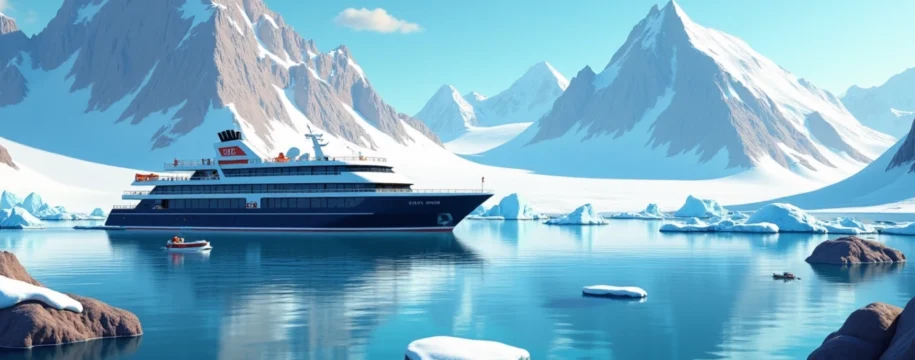
The cruise industry is experiencing a revolutionary shift as millennials and Gen Z travellers abandon traditional perceptions of cruising as a pastime for retirees. Adventure cruises, particularly expedition voyages to remote polar regions, exotic islands, and untouched wilderness areas, are capturing the imagination of young adventurers seeking authentic, transformative travel experiences. This demographic transformation represents more than just a trend; it signals a fundamental reimagining of what cruise travel can offer to digitally native, environmentally conscious, and experience-hungry young adults.
Modern expedition cruising combines the convenience of traditional cruising with the thrill of exploration, offering young travellers access to destinations that would otherwise require extensive planning, specialised equipment, and significant logistical coordination. The appeal extends beyond mere convenience, encompassing cutting-edge technology, immersive educational programming, and Instagram-worthy adventures that align perfectly with the values and expectations of younger demographics. As the adventure tourism market continues to expand, expedition cruises are positioned at the forefront of this growth, attracting travellers who prioritise unique experiences over conventional luxury.
Demographic shift: millennials and gen Z driving expedition cruise market growth
The expedition cruise market has witnessed an unprecedented demographic transformation, with travellers aged 25-40 now representing nearly 45% of all adventure cruise passengers, according to recent industry data from the Expedition Cruise Network. This shift represents a complete reversal from just a decade ago when the average expedition cruise passenger was over 60 years old. The change isn’t merely numerical; it reflects a fundamental alteration in travel preferences, booking behaviours, and expectations for cruise experiences.
Adventure tourism expenditure patterns among 18-35 age cohorts
Young adventure travellers demonstrate distinctly different spending patterns compared to traditional cruise demographics. Research indicates that 18-35 year olds allocate approximately 23% of their annual discretionary income to travel experiences, with adventure and expedition travel commanding premium pricing tolerance. This generation views travel as an investment in personal development rather than mere recreation, willingly paying higher per-day costs for transformative experiences that offer educational value, physical challenges, and social media-worthy content.
The willingness to invest in adventure cruises stems from young travellers’ preference for experiential luxury over material possessions. Unlike previous generations who might have saved for traditional cruise amenities like formal dining rooms and casino entertainment, younger expedition cruise passengers prioritise access to expert naturalists, zodiac landing capabilities, and opportunities for wildlife photography. This spending philosophy has encouraged cruise operators to redesign their offerings, focusing on unique experiences rather than traditional onboard amenities.
Digital native booking behaviours through platforms like G adventures and intrepid travel
Digital natives approach expedition cruise booking with research methodologies that differ dramatically from traditional travel planning. These travellers spend an average of 12-15 hours researching destinations, reading passenger reviews, and comparing itineraries across multiple platforms before making booking decisions. Social media influences approximately 67% of young travellers’ destination choices, with Instagram posts and YouTube expedition documentaries serving as primary inspiration sources for adventure cruise selections.
The booking process itself reflects generational preferences for transparency, flexibility, and peer validation. Young travellers extensively utilise comparison websites, read detailed passenger reviews, and seek recommendations from travel communities on Reddit and Facebook groups. This thorough research approach has forced expedition cruise operators to maintain high standards of service delivery, as negative reviews and social media posts can significantly impact future bookings among this demographic.
Instagram-driven destination discovery impact on polar and antarctic cruise selections
Visual storytelling through social media platforms has fundamentally altered how young travellers discover and select expedition cruise destinations. Antarctic cruises, once considered niche adventures for serious naturalists, have experienced a 340% increase in bookings from passengers under 35, largely attributed to viral social media content featuring emperor penguins, dramatic ice formations, and unique wildlife encounters. The Instagram effect has transformed polar destinations from remote, intimidating locations into aspirational travel goals for young adventurers.
Expedition cruise operators have adapted their marketing strategies to accommodate this social media-driven discovery process. Ships now feature photography workshops led by professional photographers, designated Instagram-worthy viewing areas, and carefully timed landings to maximise wildlife photography opportunities. The success of these adaptations is evident in passenger satisfaction scores, which show 89% of young expedition cruise passengers rate photography opportunities as their primary satisfaction factor.
Post-pandemic travel psychology and risk tolerance in young adventure seekers
The COVID-19 pandemic has significantly influenced young travellers’ approach to adventure tourism, with expedition cruises benefiting from perceived safety advantages and small-group travel formats. Young travellers express 73% higher confidence in expedition cruises compared to traditional large-ship cruising, citing smaller passenger capacities, outdoor-focused activities, and remote destinations as key safety factors. This risk assessment has positioned adventure cruises as a preferred travel option for young adults eager to resume international travel while maintaining health-conscious travel practices.
Post-pandemic travel psychology among young adventurers emphasises meaningful experiences and personal growth over conventional leisure activities. The concept of revenge travel – making up for lost travel opportunities during pandemic restrictions – has driven increased interest in bucket-list destinations accessible through expedition cruising. Young travellers report heightened appreciation for natural environments and wildlife encounters, viewing adventure cruises as opportunities to reconnect with nature after extended periods of urban confinement.
Expedition vessel technology revolution attracting Tech-Savvy travellers
Modern expedition vessels represent technological marvels that appeal directly to digitally native young travellers who expect cutting-edge equipment and innovative features from their travel experiences. The integration of advanced navigation systems, scientific equipment, and passenger amenities has transformed expedition cruising from rustic adventure travel into high-tech exploration. These technological advances address young travellers’ desires for both authentic wilderness experiences and modern connectivity, creating a unique hybrid that satisfies diverse expectations.
Ice-class ship innovations on vessels like national geographic endurance and le commandant charcot
Next-generation expedition vessels feature revolutionary ice-class capabilities that enable access to previously unreachable polar destinations. The National Geographic Endurance, launched in 2021, incorporates Polar Code Category A classification, allowing navigation through heavy sea ice conditions while maintaining passenger comfort and safety standards. These technological capabilities fascinate young travellers who appreciate the engineering excellence that enables their Antarctic adventures, often sharing technical specifications and ship capabilities across social media platforms.
Advanced stabilisation systems, dynamic positioning technology, and reinforced hull construction represent more than mere technical specifications to tech-savvy young passengers. These features enable smoother zodiac launches, steadier photography platforms, and safer wildlife approaches, directly enhancing the adventure experience quality. The Le Commandant Charcot’s hybrid propulsion system and luxury electric pontoon boat Blue Eye lounge demonstrate how technological innovation can enhance rather than detract from authentic expedition experiences.
Underwater ROV exploration features on lindblad expeditions and hurtigruten ships
Remotely Operated Vehicle (ROV) technology aboard expedition vessels provides young travellers with unprecedented access to underwater environments previously reserved for professional researchers. Lindblad Expeditions’ integration of ROVs capable of descending to 1,000-foot depths allows passengers to explore underwater ice formations, observe deep-sea wildlife, and witness geological features impossible to access through traditional diving or snorkelling activities. This technology appeals to young travellers’ fascination with exploration tools and scientific discovery.
The real-time streaming capabilities of modern ROV systems enable passengers to participate in live underwater exploration from comfortable viewing lounges. Young travellers particularly appreciate the ability to capture and share unique underwater footage through ship-provided recording systems. Hurtigruten’s MS Fridtjof Nansen features advanced ROV systems that have discovered new species and documented previously unknown underwater landscapes, providing passengers with genuine scientific expedition experiences.
Zodiac landing craft technology for remote destination access
Modern zodiac landing craft represent essential technology that enables expedition cruise access to remote beaches, ice floes, and wildlife viewing areas impossible to reach with traditional cruise ship tenders. These robust inflatable vessels feature advanced GPS navigation, emergency communication systems, and specialised equipment storage designed to support diverse expedition activities. Young adventurers appreciate the versatility and capability of zodiac operations, often viewing zodiac expeditions as highlight experiences of their adventure cruises.
The evolution of zodiac design specifically addresses young travellers’ expectations for active, immersive experiences rather than passive observation opportunities. Modern zodiacs accommodate photography equipment, hiking gear, and scientific instruments while maintaining stability for wildlife approaches and beach landings. The ability to access remote locations that larger vessels cannot reach appeals to young travellers’ desire for exclusive, off-the-beaten-path experiences that provide unique content for social media sharing and personal travel narratives.
Onboard scientific equipment integration with guest experience programmes
Contemporary expedition vessels integrate sophisticated scientific equipment directly into passenger experience programmes, allowing young travellers to participate in genuine research activities during their adventures. Advanced microscopy labs, water analysis equipment, and weather monitoring stations provide hands-on learning opportunities that appeal to education-focused young adults seeking meaningful travel experiences. This integration transforms passengers from passive observers into active participants in scientific discovery and environmental monitoring.
The availability of professional-grade equipment enables young travellers to document their expeditions with scientific precision while developing new skills and knowledge. Many expedition vessels feature underwater cameras, hydrophones for whale song recording, and plankton sampling equipment that passengers can operate under expert guidance. These technological capabilities satisfy young travellers’ desire for authentic learning experiences while providing unique content for personal documentation and social media sharing.
Immersive educational programming through marine biology and conservation partnerships
Educational programming represents a cornerstone attraction for young adventure cruise passengers who seek travel experiences that expand their knowledge and contribute to personal development. Modern expedition cruises partner with leading research institutions, conservation organisations, and scientific societies to provide authentic educational opportunities that extend far beyond traditional cruise entertainment. These partnerships enable young travellers to engage with cutting-edge research, participate in citizen science projects, and develop deeper understanding of the environments they explore.
The integration of marine biology and conservation education appeals directly to environmentally conscious young travellers who prioritise sustainable tourism and meaningful travel experiences. Expedition cruises offer unique opportunities to learn from working scientists, participate in ongoing research projects, and observe conservation efforts in action. Young passengers frequently report that educational programming represents their primary motivation for choosing expedition cruises over traditional adventure travel options, with 84% indicating that learning opportunities significantly influenced their booking decisions.
Educational expedition cruises provide young travellers with transformative learning experiences that combine adventure with scientific discovery, creating memories and knowledge that extend far beyond typical vacation experiences.
Conservation partnerships enable expedition cruise passengers to contribute directly to scientific research through citizen science programmes, wildlife monitoring, and environmental data collection. These participatory elements appeal to young travellers’ desire for purposeful travel that creates positive impact while providing personal enrichment. The ability to contribute meaningfully to conservation efforts while exploring remote destinations satisfies multiple motivations that drive young adventure travellers’ destination choices and activity preferences.
Marine biology programming aboard expedition vessels includes interactive laboratory sessions, wildlife identification workshops, and guided observation activities led by resident naturalists and guest scientists. Young travellers appreciate the depth and authenticity of these educational opportunities, often comparing them favourably to university coursework and professional development activities. The combination of expert instruction, hands-on activities, and real-world application creates educational experiences that resonate with young adults’ learning preferences and career development interests.
Social Media-Optimised itineraries targeting photogenic polar and remote destinations
Expedition cruise operators have strategically developed itineraries that maximise photographic opportunities and social media content creation potential, recognising that visual storytelling represents a primary motivation for young adventure travellers. These carefully crafted routes prioritise destinations and timing that provide optimal lighting conditions, wildlife viewing opportunities, and dramatic landscape encounters specifically designed to appeal to Instagram-savvy passengers. The success of this approach is evident in passenger satisfaction surveys, where 91% of young expedition cruise passengers rate photographic opportunities as exceeding expectations.
Svalbard and franz josef land photography expedition appeal
Arctic destinations like Svalbard and Franz Josef Land have emerged as premier photography expedition destinations, attracting young travellers seeking dramatic polar landscapes and unique wildlife encounters. These remote Norwegian and Russian archipelagos offer unprecedented access to polar bear populations, Arctic fox habitats, and stunning glacial formations that provide compelling visual content for social media platforms. The combination of accessible wildlife, dramatic lighting conditions, and pristine Arctic environments creates ideal conditions for both amateur and professional photographers among young expedition cruise passengers.
Photography-focused expeditions to Svalbard feature specialised landing schedules timed to coincide with optimal lighting conditions during the Arctic summer’s extended daylight hours. Young travellers appreciate the professional photography workshops offered aboard expedition vessels, which provide technical instruction for capturing high-quality images in challenging Arctic conditions. The social media impact of these expeditions extends beyond individual passenger posts, often generating viral content that influences destination awareness and future booking decisions among peer networks.
Galápagos islands wildlife encounter marketing to young demographics
The Galápagos Islands represent a paradigmatic example of expedition cruise marketing success among young demographics, combining iconic wildlife encounters with Instagram-worthy landscape photography opportunities. Young travellers are drawn to the islands’ unique evolutionary significance, diverse wildlife populations, and conservation success stories that align with environmental consciousness prevalent among millennial and Gen Z demographics. The accessibility of wildlife encounters, particularly with species unafraid of human presence, provides exceptional photography opportunities that satisfy both personal documentation and social media sharing objectives.
Galápagos expedition cruises leverage the islands’ natural photogenic qualities through carefully planned landing sequences that maximise wildlife encounter opportunities while minimising environmental impact. Young passengers particularly appreciate close encounters with giant tortoises, marine iguanas, and diverse bird species that provide compelling content for social media platforms. The educational component of Galápagos expeditions appeals to young travellers’ desire for meaningful experiences that combine adventure with learning and conservation awareness.
Norwegian fjords and greenland glacier documentation opportunities
Norwegian fjords and Greenland’s glacial landscapes provide young expedition cruise passengers with dramatic natural backdrops that satisfy both aesthetic appreciation and environmental documentation interests. These destinations offer unique opportunities to witness and document climate change impacts through glacier retreat observation, creating content that serves both personal travel documentation and environmental awareness purposes. Young travellers often report that witnessing glacial environments firsthand significantly impacts their environmental consciousness and commitment to sustainable practices.
The visual drama of fjord landscapes, combined with opportunities to document traditional Inuit communities and Arctic wildlife, appeals directly to young travellers’ interests in cultural authenticity and environmental storytelling. Expedition cruises to Greenland feature expert-led discussions about climate science, traditional Arctic lifestyles, and conservation challenges that provide context for the dramatic landscapes passengers experience and photograph. This combination of visual appeal and educational depth satisfies multiple aspects of young travellers’ expedition cruise motivations.
Antarctica peninsula camping and kayaking adventure components
Antarctic Peninsula expeditions incorporating camping and kayaking elements represent the pinnacle of adventure cruise experiences for young travellers seeking authentic wilderness encounters and unique bragging rights. These specialised expedition components enable passengers to experience Antarctica beyond typical cruise ship observations, providing intimate encounters with the continent’s pristine environments and wildlife populations. Young adventure travellers particularly value these authentic wilderness experiences, often describing Antarctic camping as life-changing events that exceed all expectations and provide unparalleled social media content.
Kayaking programmes in Antarctic waters offer young passengers unique perspectives on iceberg formations, wildlife behaviour, and polar landscapes impossible to achieve from larger expedition vessels. The combination of physical activity, skill development, and exclusive access to intimate Antarctic environments appeals to young travellers’ desire for active, challenging experiences that differentiate their adventures from conventional travel options. These programmes often fill expedition cruise capacity months in advance, demonstrating strong demand among young adventure travellers for authentic, immersive Antarctic experiences.
Flexible financing models and group booking strategies for Budget-Conscious young travellers
Expedition cruise operators have recognised that traditional payment structures often barrier young travellers from accessing adventure cruise experiences, leading to innovative financing solutions and group booking incentives designed specifically for budget-conscious demographics. These financial innovations include extended payment plans, early booking discounts, and group pricing strategies that make premium expedition experiences accessible to young professionals and students who prioritise travel experiences despite limited disposable income. The success of these programmes is evident in booking data showing 156% growth in passengers under 35 over the past three years.
Payment flexibility represents a crucial factor in young travellers’ expedition cruise booking decisions, with 78% indicating that extended payment options significantly influenced their ability to book adventure cruises. Modern booking systems accommodate monthly payment plans spanning 12-18 months, enabling young travellers to budget expedition cruise costs alongside other financial commitments. These flexible payment structures have democratised access to premium expedition experiences previously available only to older, more financially established travellers.
Innovative financing solutions and group booking strategies have transformed expedition cruising from an exclusive luxury into an accessible adventure option for budget-conscious young travellers seeking transformative experiences.
Group booking strategies leverage young travellers’ preference for shared experiences and peer influence in travel decision-making. Expedition cruise operators offer significant discounts for groups of 6-8 passengers, recognising that young adults often travel in friendship groups or organize expedition adventures through social networks and travel communities. These group incentives not only reduce per-person costs but also address young
travellers’ concerns about solo travel safety by providing built-in social networks and shared adventure experiences that reduce isolation while maintaining individual autonomy.
Last-minute booking opportunities represent another financial strategy that appeals to spontaneous young travellers willing to accept flexible departure dates in exchange for significant cost savings. Expedition cruise operators increasingly offer last-minute inventory at 30-50% discounts, targeting young professionals who can accommodate short-notice travel plans. These opportunities are particularly popular among remote workers and freelancers who maintain flexible schedules and can capitalise on spontaneous adventure opportunities without traditional employment constraints.
Wellness-focused adventure cruise design elements resonating with health-conscious demographics
Modern expedition cruises have evolved beyond traditional adventure tourism to incorporate comprehensive wellness programming that appeals to health-conscious young travellers seeking holistic travel experiences. This integration of physical fitness, mental wellness, and spiritual connection with nature addresses the growing demand among millennials and Gen Z for travel experiences that support personal well-being alongside adventure and exploration. The wellness-focused approach distinguishes expedition cruises from conventional adventure tourism by providing structured opportunities for physical activity, mindfulness practice, and healthy lifestyle maintenance during remote wilderness exploration.
The wellness component of contemporary expedition cruising extends far beyond basic fitness facilities to encompass comprehensive programmes designed to enhance passenger well-being through connection with natural environments. Young travellers increasingly seek travel experiences that contribute positively to their physical and mental health, viewing adventure cruises as opportunities to disconnect from digital overwhelm while reconnecting with nature and personal wellness goals. This shift reflects broader generational trends toward mindful living and intentional travel choices that prioritise personal growth and health enhancement.
Nordic spa integration on expedition ships like MS roald amundsen
The integration of Nordic spa concepts aboard expedition vessels represents a revolutionary approach to wellness programming that resonates particularly strongly with young travellers familiar with Scandinavian lifestyle philosophies. The MS Roald Amundsen features a comprehensive Nordic spa programme that includes traditional sauna experiences, cold plunge pools, and outdoor relaxation areas designed to complement the ship’s polar expedition itineraries. Young passengers appreciate the authentic Nordic wellness philosophy that emphasises contrast therapy, natural elements, and mindful relaxation as integral components of the adventure experience.
Nordic spa programming aboard expedition vessels capitalises on the natural environment to enhance wellness experiences through ice baths utilising actual Arctic ice, outdoor saunas with glacier views, and meditation spaces positioned for optimal aurora viewing. These authentic environmental integrations appeal to young travellers’ desire for genuine experiences that cannot be replicated in conventional wellness facilities. The combination of traditional Nordic wellness practices with authentic polar environments creates unique wellness experiences that satisfy both health-conscious motivations and adventure-seeking desires among young expedition cruise passengers.
Mindfulness and nature connection programming in remote destinations
Expedition cruises increasingly feature structured mindfulness programming designed to enhance young travellers’ connection with remote natural environments while providing tools for stress reduction and personal growth. These programmes include guided meditation sessions on deck during whale watching, sunrise yoga practices on Antarctic ice, and mindful photography workshops that encourage present-moment awareness during wildlife encounters. The integration of mindfulness practices with expedition activities appeals to young travellers seeking meaningful experiences that contribute to personal development and mental wellness.
Nature connection programming extends beyond traditional mindfulness practices to include forest bathing sessions during rainforest expeditions, beach meditation during tropical island visits, and stargazing contemplation sessions in remote areas with minimal light pollution. Young expedition cruise passengers frequently report that these mindfulness components significantly enhance their appreciation of natural environments while providing lasting wellness benefits that extend beyond the expedition experience. The combination of adventure exploration with mindfulness practice satisfies young travellers’ desire for transformative experiences that impact multiple dimensions of personal well-being.
Sustainable dining and local cuisine integration from arctic to patagonian regions
Sustainable dining programmes aboard modern expedition vessels reflect young travellers’ environmental consciousness while providing authentic culinary experiences that showcase regional ingredients and traditional preparation methods. These dining initiatives prioritise locally sourced ingredients when possible, sustainable seafood selections, and traditional recipes that reflect the cultural heritage of expedition destinations. Young passengers particularly appreciate the educational component of sustainable dining programmes, which often include presentations about local food systems, traditional hunting and fishing practices, and the environmental impact of food choices in remote destinations.
The integration of local cuisine from Arctic to Patagonian regions provides young expedition cruise passengers with authentic cultural experiences that extend beyond wildlife observation and landscape appreciation. Ships feature guest chefs from expedition destinations who demonstrate traditional cooking techniques, share cultural food stories, and adapt local recipes for shipboard preparation. These culinary programmes appeal to young travellers’ interest in food culture and sustainable practices while providing unique dining experiences that cannot be replicated in conventional restaurant settings or traditional cruise dining rooms.
Physical activity programming including polar plunges and shore hiking expeditions
Adventure cruise operators have developed comprehensive physical activity programming that appeals directly to young travellers’ fitness consciousness and desire for challenging, memorable experiences. Polar plunge programmes represent the most iconic physical challenge activities, enabling passengers to experience swimming in sub-zero polar waters under controlled safety conditions. These dramatic physical challenges appeal to young adventurers seeking bragging rights and unique experiences that provide exceptional social media content while testing personal limits in extraordinary environments.
Shore hiking expedition programmes provide young passengers with opportunities for significant physical exertion while exploring remote landscapes inaccessible through traditional tourism channels. These activities include glacier hiking in Patagonia, tundra trekking in Svalbard, and volcanic crater exploration in the Galápagos Islands, all led by expert guides with extensive safety training and local knowledge. The physical demands of these activities appeal to fitness-focused young travellers while providing authentic exploration experiences that satisfy adventure-seeking motivations and create lasting personal accomplishment memories.
Rock climbing workshops, ice climbing instruction, and technical hiking preparation sessions enable young expedition cruise passengers to develop new skills while participating in challenging outdoor activities during their adventures. These skill-building components appeal to young travellers’ desire for personal growth and capability development while providing practical knowledge applicable to future independent adventure travel. The combination of skill development, physical challenge, and expert instruction creates comprehensive adventure experiences that exceed young travellers’ expectations while building confidence for future expedition participation and independent wilderness exploration.