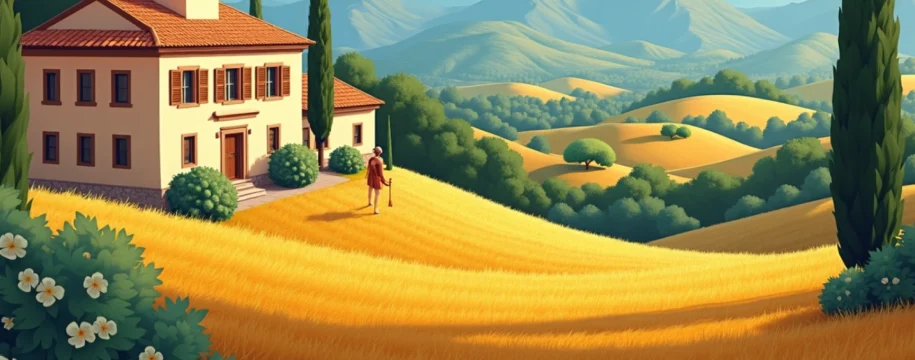
The Mediterranean basin offers an extraordinary tapestry of agricultural landscapes, ancient farming traditions, and culinary heritage that continues to captivate travellers seeking authentic experiences. From the rolling hills of Tuscany adorned with olive groves to the terraced vineyards of Provence, agritourism in Mediterranean regions represents far more than a simple holiday—it’s an immersion into centuries-old practices that have shaped civilisations. The convergence of favourable climate, diverse topography, and rich cultural heritage creates an unparalleled opportunity for visitors to engage with sustainable farming practices whilst supporting rural communities that preserve traditional knowledge passed down through generations.
Authentic Farm-to-Table culinary experiences in tuscany and provence
Mediterranean agritourism provides unmatched access to the purest form of farm-to-table dining, where ingredients travel mere metres from soil to plate. This direct connection between agriculture and cuisine offers visitors an appreciation for seasonal eating that urban dining experiences simply cannot replicate. The freshness of ingredients harvested at peak ripeness creates flavour profiles that showcase the true essence of Mediterranean terroir.
Traditional olive oil production at castello di ama and domaine de la citadelle
Ancient olive groves throughout the Mediterranean continue to produce liquid gold using methods refined over millennia. Visitors can participate in the complete olive oil production cycle, from hand-picking olives during autumn harvest to witnessing cold-pressing techniques that preserve essential nutrients and flavours . The educational component extends beyond production methods to include tasting sessions where participants learn to distinguish between various cultivars and understand how soil composition, elevation, and microclimate influence the final product.
Traditional stone mills, some dating back centuries, demonstrate how minimal intervention produces superior quality oils. The experience often includes blending sessions where visitors create personalised olive oil blends, providing insight into the artistry behind commercial production. These hands-on experiences reveal why Mediterranean olive oils command premium prices and why terroir remains such a crucial factor in agricultural excellence.
Heritage grape varietals and Wine-Making techniques in chianti classico
The Chianti Classico region exemplifies how traditional viticulture practices create wines of exceptional character and complexity. Visitors participate in grape harvesting, foot-pressing, and fermentation processes that highlight the importance of indigenous grape varietals in maintaining regional wine identity. These experiences often reveal how climate change adaptation strategies preserve traditional wine-making whilst ensuring future sustainability.
Hands-on involvement in traditional wine-making techniques, including barrel aging and blending, provides understanding of how time-honoured methods create distinctive flavour profiles. Participants often discover how soil types, slope orientation, and elevation influence grape development, creating appreciation for the complex interplay between geography and gastronomy that defines Mediterranean wine culture.
Seasonal truffle hunting excursions in umbrian hill towns
Truffle hunting represents one of the most mystical agricultural pursuits in Mediterranean regions, combining trained dogs, generations of local knowledge, and forest ecosystems that remain largely unchanged for centuries. Participants accompany expert truffle hunters through oak and hazelnut forests, learning to identify the subtle environmental cues that indicate truffle presence. The symbiotic relationship between trees, soil conditions, and fungal networks demonstrates nature’s intricate balance.
Beyond the excitement of discovery, truffle hunting excursions educate visitors about sustainable foraging practices that ensure continued production for future generations. The preparation and consumption of freshly discovered truffles, often incorporated into simple pasta dishes or scrambled eggs, showcases how minimal culinary intervention allows natural flavours to shine.
Artisanal cheese production methods at cyprus halloumi cooperatives
Traditional cheese-making cooperatives throughout the Mediterranean maintain production methods that predate industrial agriculture by thousands of years. Visitors observe and participate in every stage of halloumi production, from morning milking to the characteristic squeaking cheese that emerges from traditional techniques. These experiences highlight how local climate conditions, indigenous goat and sheep breeds, and traditional knowledge create products with protected designation of origin status.
Participation in cooperative cheese-making reveals the social structures that have sustained rural Mediterranean communities for generations. The collaborative approach to agriculture, where families share resources and knowledge, demonstrates alternative economic models that prioritise community resilience over individual profit maximisation.
Sustainable agricultural practices and permaculture integration
Mediterranean agritourism increasingly showcases innovative approaches to sustainable agriculture that address contemporary environmental challenges whilst respecting traditional farming wisdom. These experiences demonstrate how ancient agricultural knowledge combines with modern scientific understanding to create resilient farming systems. Visitors gain practical knowledge about sustainable practices they can implement in their own gardens or support through informed consumer choices.
Regenerative farming techniques at mas de daumas gassac vineyard
Regenerative agriculture represents a paradigm shift from extractive farming towards practices that actively improve soil health, increase biodiversity, and sequester carbon. Mediterranean farms implementing regenerative techniques demonstrate how cover cropping, composting, and integrated pest management create self-sustaining agricultural ecosystems. Visitors observe how these methods reduce external inputs whilst increasing long-term productivity and resilience.
Hands-on participation in soil testing, compost preparation, and biodiversity monitoring provides tangible understanding of how regenerative practices restore degraded landscapes. These experiences often include education about mycorrhizal networks, beneficial insects, and plant guilds that create symbiotic relationships within agricultural systems.
Mediterranean polyculture systems in mallorca’s tramuntana mountains
Traditional Mediterranean polyculture systems demonstrate remarkable efficiency in maximising productivity whilst minimising environmental impact. These integrated farming approaches combine fruit trees, vegetables, grains, and livestock in carefully designed systems that mimic natural ecosystems. Visitors learn how companion planting, seasonal rotation, and strategic animal grazing create resilient agricultural landscapes that withstand droughts, pests, and market fluctuations.
The terraced landscapes of Mallorca’s Tramuntana Mountains showcase how human ingenuity has created productive agricultural systems in challenging topographical conditions. Participation in maintenance of ancient terraces, irrigation channels, and polyculture gardens reveals the sophisticated engineering and ecological knowledge required to sustain agriculture in mountainous Mediterranean environments.
Water conservation strategies using ancient qanat systems in southern spain
Water scarcity represents one of the most pressing challenges facing Mediterranean agriculture, making traditional water conservation techniques increasingly relevant. Ancient qanat irrigation systems, underground channels that transport water from mountain sources to agricultural areas, demonstrate ingenious solutions developed over centuries. Visitors explore these underground marvels whilst learning about gravity-fed irrigation, water harvesting, and efficient distribution systems.
Modern adaptations of traditional water conservation include drip irrigation, mulching techniques, and drought-resistant crop varieties that maintain productivity despite limited water resources. Hands-on experiences with water management systems provide practical knowledge about conservation techniques applicable to various agricultural contexts.
Biodiversity preservation through native seed banking programmes
Seed banking initiatives throughout the Mediterranean work to preserve genetic diversity of traditional crop varieties that have adapted to local conditions over millennia. Visitors participate in seed collection, processing, and storage activities that maintain agricultural heritage whilst providing genetic resources for future food security. These programmes highlight how industrial agriculture’s focus on uniformity has reduced genetic diversity, making crops more vulnerable to pests, diseases, and climate change.
Community seed exchanges and heritage variety cultivation demonstrate how small-scale farmers maintain agricultural biodiversity through traditional practices. Participation in seed saving workshops provides practical skills for maintaining genetic diversity in home gardens whilst supporting broader conservation efforts.
Immersive cultural heritage and traditional craft workshops
Mediterranean agritourism offers unparalleled access to cultural traditions that remain deeply connected to agricultural cycles and rural life. These immersive experiences extend far beyond farming activities to encompass traditional crafts, folk knowledge, and social practices that have sustained rural communities for generations. Visitors gain appreciation for the sophisticated cultural systems that integrate human activity with natural rhythms, creating sustainable ways of life that modern society increasingly recognises as valuable.
Traditional craft workshops integrated with agricultural visits demonstrate how rural communities historically created everything needed for daily life using local materials and inherited knowledge. Pottery making using local clay, textile production from sheep’s wool, and basketry from locally harvested materials showcase the ingenuity and self-sufficiency that characterised traditional Mediterranean life. These hands-on experiences provide therapeutic benefits whilst preserving endangered skills that represent intangible cultural heritage.
The integration of storytelling, music, and seasonal celebrations within agritourism experiences creates deeper understanding of how agricultural cycles shaped cultural expression throughout the Mediterranean. Harvest festivals, grape stomping celebrations, and olive oil blessing ceremonies connect visitors to ancient traditions that celebrate the relationship between human communities and the land that sustains them. These cultural immersion experiences often include learning traditional songs, dances, and recipes that have been passed down through generations.
Language exchange opportunities with local farmers and artisans provide authentic cultural interaction that enriches the travel experience whilst supporting rural communities economically. Many agritourism operators offer workshops in traditional preservation techniques, natural dyeing, and herbal medicine preparation that demonstrate how rural communities maintained self-sufficiency through sophisticated traditional knowledge systems .
Economic revitalisation of rural mediterranean communities
Agritourism represents a crucial economic lifeline for rural Mediterranean communities facing depopulation, agricultural mechanisation, and competition from industrial farming operations. By providing alternative income streams that value traditional knowledge and agricultural heritage, agritourism enables small-scale farmers to maintain viable livelihoods whilst preserving cultural landscapes that define Mediterranean identity. This economic model creates employment opportunities that encourage young people to remain in rural areas, countering the urban migration that threatens the survival of traditional communities.
The multiplier effect of agritourism extends beyond individual farms to support local artisans, food producers, and service providers throughout rural regions. Restaurants showcasing local ingredients, craft workshops, guided excursions, and transportation services all benefit from increased tourism that values authenticity over mass-produced experiences. This economic diversification creates resilience against agricultural market fluctuations whilst maintaining the agricultural character that attracts visitors initially.
Cooperative approaches to agritourism development demonstrate how communities can leverage collective resources to create sustainable tourism infrastructure without sacrificing local control. Shared marketing initiatives, equipment purchase, and skills development programmes enable small-scale operators to compete effectively with larger tourism enterprises whilst maintaining the authentic character that distinguishes agritourism from conventional tourism offerings.
The transformation from subsistence agriculture to value-added agritourism represents a paradigm shift that recognises cultural heritage and environmental stewardship as economic assets worthy of market compensation.
Investment in agritourism infrastructure, including accommodation renovations, visitor facilities, and educational programmes, creates long-term employment opportunities that utilise local skills and materials. Construction projects often employ traditional building techniques and local craftspeople, maintaining architectural heritage whilst providing modern amenities that meet contemporary visitor expectations.
Therapeutic benefits of mediterranean landscape immersion
The therapeutic potential of Mediterranean agricultural landscapes extends far beyond simple relaxation, encompassing documented health benefits that arise from direct engagement with natural environments and traditional farming practices. Research increasingly demonstrates how immersion in agricultural settings reduces stress hormones, improves immune function, and provides mental health benefits that persist long after the agritourism experience concludes. The combination of physical activity, fresh air, natural sunlight, and meaningful engagement with traditional practices creates ideal conditions for therapeutic intervention.
Horticultural therapy programmes integrated within agritourism experiences provide structured opportunities for visitors to engage with soil, plants, and agricultural cycles in ways that promote psychological wellbeing. The repetitive, meditative nature of agricultural tasks such as weeding, harvesting, and animal care creates mindfulness experiences that reduce anxiety and depression whilst providing sense of accomplishment and connection to natural processes. These therapeutic benefits are enhanced by the Mediterranean climate, which enables year-round outdoor activities in comfortable conditions.
The social aspects of agritourism, including interaction with farming families and participation in community activities, combat social isolation whilst providing opportunities for meaningful cross-cultural exchange. Shared meals featuring ingredients that visitors have helped to produce create profound satisfaction and connection that urban dining experiences cannot replicate. The slower pace of agricultural life encourages reflection and perspective-taking that can facilitate personal growth and life transitions.
Digital detox opportunities inherent in many agritourism experiences provide respite from constant connectivity whilst encouraging engagement with immediate physical environments. The absence of urban noise pollution, combined with natural sounds of agricultural settings, creates acoustic environments that promote relaxation and improved sleep quality. Many visitors report that agricultural immersion experiences provide clarity about life priorities and career directions that influence long-term decision-making.
Seasonal agricultural cycles and harvest participation opportunities
Mediterranean agriculture’s seasonal diversity provides year-round opportunities for meaningful visitor participation in authentic farming activities that showcase the intimate relationship between climate, crops, and cultural traditions. Each season offers distinct experiences that demonstrate how traditional farmers maximised productivity through careful timing and deep understanding of natural cycles. Spring planting ceremonies, summer cultivation practices, autumn harvests, and winter preservation activities create a complete educational cycle that reveals the sophistication of traditional agricultural knowledge.
Olive harvest participation during autumn months provides particularly intensive experiences that combine physical challenge with cultural immersion and educational value. The timing of olive collection, methods for maintaining oil quality, and traditional preservation techniques demonstrate how Mediterranean communities developed sophisticated approaches to food security that sustained populations through seasonal variations and periodic hardships. Participants often discover how different olive varieties require specific harvesting techniques and how timing affects flavour profiles in the finished oil.
Wine grape harvest experiences showcase the precision required for quality wine production, including assessment of sugar content, acid levels, and phenolic maturity that determine optimal picking times. Participation in traditional grape selection, transport methods, and initial processing reveals how wine quality depends on careful attention to detail throughout the production process. These experiences often include education about climate change impacts on traditional harvest timing and adaptation strategies being implemented by innovative producers.
Seasonal vegetable production cycles demonstrate how traditional Mediterranean diets developed around locally available ingredients that provided optimal nutrition throughout the year. Visitors learn about succession planting, companion cropping, and preservation techniques that enabled communities to maintain varied diets despite limited transportation and storage capabilities. The preparation and consumption of seasonal dishes using traditional recipes provides understanding of how cuisine evolved to maximise nutritional value whilst creating distinctive regional flavours that continue to define Mediterranean culinary identity in contemporary markets.