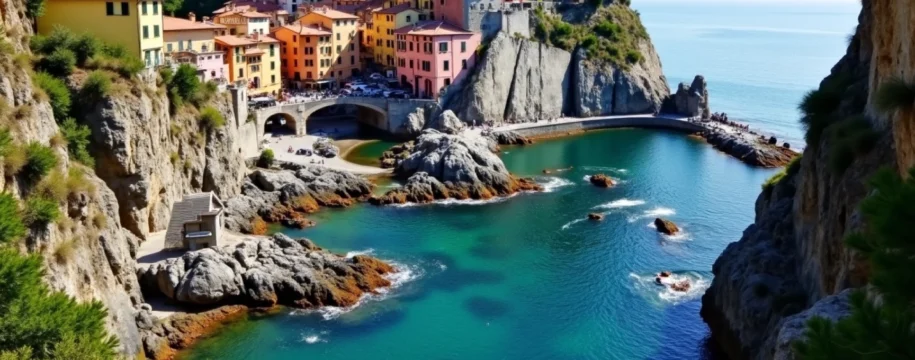
Italy’s mainstream destinations often overshadow extraordinary settlements that embody centuries of Mediterranean tradition. Beyond Venice’s crowded canals and Rome’s tourist-packed squares lie villages where time moves at the rhythm of ancient customs, where nonna still makes pasta by hand, and where visitors discover the authentic soul of Italian culture. These hidden gems offer profound experiences without the overwhelming crowds and inflated prices that characterise popular destinations.
From clifftop settlements carved into volcanic stone to medieval borghi nestled between rolling vineyards, Italy’s lesser-known villages preserve architectural marvels and culinary traditions passed down through generations. Each settlement tells unique stories through weathered stone facades, family-run trattorias, and artisan workshops where craftspeople maintain skills their ancestors perfected centuries ago. The Mediterranean’s most captivating secrets await those willing to venture beyond guidebook recommendations.
Cinque terre’s Lesser-Known coastal settlements: corniglia and monterosso al mare’s secluded hamlets
While millions flock to Cinque Terre’s famous quintet of villages, few explore the hidden settlements tucked between these celebrated coastal jewels. The region harbours extraordinary communities that predate their famous neighbours, maintaining fishing traditions and agricultural practices that disappeared from more commercialised areas decades ago. These forgotten hamlets offer authentic Mediterranean experiences without the shoulder-to-shoulder crowds that define peak season visits.
Corniglia’s terraced vineyard villages and via dell’amore walking trails
Perched dramatically on volcanic cliffs 100 metres above the Mediterranean, Corniglia’s surrounding hamlets represent some of Italy’s most spectacular agricultural achievements. The ancient terrazze (terraces) carved into impossibly steep mountainsides showcase engineering brilliance that enabled communities to thrive for over a millennium. Local families still tend vineyards using traditional methods, producing the renowned Sciacchetrà dessert wine from grapes dried on reed mats.
The restored sections of Via dell’Amore connect hidden settlements through tunnels and clifftop paths originally carved by medieval monks. These ancient routes reveal secluded beaches accessible only on foot, where crystal-clear waters lap against black pebble shores. Spring wildflowers transform the landscape into natural galleries, while autumn harvests bring community celebrations unchanged for centuries.
Monterosso al mare’s hidden beach coves and medieval watchtower districts
Beyond Monterosso’s famous sandy beaches, ancient mule paths lead to pristine coves where local families have maintained private beach clubs for generations. The medieval watchtower network, built to defend against Saracen pirates, connects mountain settlements that served as refuge points during coastal raids. These fortified hamlets preserve remarkable frescoed churches and stone houses with loggia overlooking the Mediterranean.
The traditional limoncino production continues in terraced groves above these hidden settlements, where families cultivate enormous lemons using irrigation systems designed during the Renaissance. Artisan workshops produce hand-painted ceramics featuring designs unique to this specific coastal region, techniques passed down through families for over 300 years.
Vernazza’s peripheral fishing quarters and porto venere gateway access
Vernazza’s outer districts house working fishing families whose boats still depart before dawn using navigation knowledge inherited from their ancestors. The peripheral quarters maintain traditional gozzo boat construction workshops, where master craftsmen shape hulls from chestnut wood using techniques unchanged since Roman times. These maritime communities preserve recipes for focaccia col formaggio and anchovy preparations that define authentic Ligurian cuisine.
Ancient pathways connect these fishing settlements to Porto Venere through olive groves and Mediterranean macchia vegetation, offering glimpses of Byron’s Cave and the legendary spot where the poet composed verses inspired by the dramatic coastline. The route passes abandoned chapels and hermitages where monks once provided shelter for pilgrims travelling the medieval coastal routes.
Manarola’s Cliff-Side wine cellars and traditional pesto production sites
Carved directly into Manarola’s cliff faces, ancient wine cellars maintain perfect temperatures for aging the region’s exceptional white wines. These underground chambers, accessible through narrow medieval streets, store vintages in traditional damigiane (glass demijohns) while preserving fermentation methods documented in 15th-century monastery records. Family-run operations welcome visitors for intimate tastings accompanied by locally-cured salumi and aged focaccia .
The village’s traditional pesto production relies on basil varieties grown exclusively in Manarola’s protected microclimates, where maritime winds and specific soil conditions create unique flavour profiles. Local families still prepare pesto using marble mortars carved from Carrara stone, grinding ingredients by hand to achieve textures impossible with modern machinery. These authentic preparations accompany hand-rolled trofie pasta made from ancient grain varieties cultivated on nearby terraces.
Tuscany’s undiscovered medieval borghi: val d’orcia and maremma region treasures
Tuscany’s renowned destinations often eclipse equally magnificent villages that showcase the region’s most authentic medieval heritage. The Val d’Orcia and Maremma regions harbour settlements where Renaissance architecture remains virtually unchanged, where artisan traditions continue unbroken, and where the relationship between land and community defines daily existence. These hidden borghi offer profound insights into Tuscan culture beyond the tourist-oriented interpretations found in more famous destinations.
Pienza’s surrounding hamlets: monticchiello and castelmuzio’s renaissance architecture
While Pienza attracts visitors to its perfectly preserved Renaissance centre, the surrounding hamlets of Monticchiello and Castelmuzio remain largely undiscovered despite housing some of Tuscany’s most remarkable architecture. Monticchiello’s medieval walls enclose a teatro povero tradition where residents perform original works depicting local history, continuing a cultural practice that began during the Renaissance. The hamlet’s stone houses feature original pietra serena decorative elements carved by master stonemasons whose families still work in the village.
Castelmuzio’s strategic hilltop position reveals panoramic vistas across the entire Val d’Orcia, while its narrow streets preserve Renaissance palazzi with intact frescoed interiors. Local families maintain traditional pecorino cheese production using methods documented in 16th-century monastery records, aging wheels in natural caves that provide perfect humidity conditions. The hamlet’s annual sheep festival celebrates transhumance traditions that connected these communities to seasonal grazing routes across central Italy.
Volterra’s etruscan underground networks and alabaster artisan workshops
Beneath Volterra’s medieval streets lies an extensive Etruscan tunnel network that connected ancient settlements throughout the region. These underground passages, many still unexplored by archaeologists, reveal sophisticated engineering that enabled communities to survive sieges and maintain trade connections during periods of conflict. Modern alabaster artisans work in workshops built above these ancient foundations, continuing sculptural traditions that began during Etruscan civilisation.
The traditional alabaster carving techniques preserve methods passed down through families for over 2,000 years, using tools and approaches that predate Roman occupation. Master craftsmen still select raw alabaster from nearby quarries using visual assessment skills inherited from their ancestors, creating sculptures and decorative objects that reflect techniques developed during the height of Etruscan artistic achievement. These workshops welcome visitors to observe processes that connect contemporary Tuscany to its ancient roots.
Pitigliano’s tuff rock settlements and jewish quarter archaeological sites
Carved entirely from volcanic tuff rock, Pitigliano’s dramatic clifftop position conceals one of Italy’s most significant Jewish cultural heritage sites. The ancient Jewish quarter preserves Europe’s smallest synagogue, medieval mikvah (ritual bath), and kosher bakery ovens that continued operating until World War II. The community’s unique traditions blended Jewish customs with local Maremman practices, creating cultural expressions found nowhere else in Italy.
The settlement’s underground cave networks served as wine cellars, storage chambers, and emergency shelters for over 800 years. These tuff rock chambers maintain constant temperatures perfect for aging local wines, while their acoustic properties created natural amphitheatres for religious ceremonies and community gatherings. Archaeological investigations continue revealing medieval artefacts that document the complex relationships between Jewish, Christian, and ancient Etruscan communities.
Montepulciano’s noble wine estates and palazzo contucci cellars
Beyond Montepulciano’s famous Vino Nobile production lies a network of noble family estates that have maintained winemaking traditions for over 600 years. The Palazzo Contucci cellars, carved from the town’s volcanic foundation, house oak barrels that have aged successive vintages since the Renaissance. These underground chambers preserve perfect conditions for traditional winemaking methods that rely on natural fermentation and gravity-fed systems designed by Renaissance engineers.
The estate’s vineyards follow agricultural practices documented in medieval monastery records, using indigenous grape varieties threatened with extinction elsewhere in Tuscany. Traditional harvest celebrations bring together extended families for rituals that predate Christianity, while the estate’s kitchens prepare Renaissance-era recipes using ingredients grown according to seasonal cycles unchanged for centuries. These authentic experiences offer insights into noble family traditions that shaped Tuscan culture for generations.
San gimignano’s peripheral tower villages and vernaccia vineyard territories
While San Gimignano’s famous towers attract global attention, the surrounding countryside harbours tower villages where medieval defensive architecture remains integrated into working agricultural communities. These peripheral settlements preserve traditional relationships between fortified structures and vineyard territories that produced wealth enabling tower construction during the medieval period. Local families maintain Vernaccia grape cultivation using methods described in 13th-century agricultural manuals.
The traditional tower house architecture extends throughout the territory in smaller settlements where noble families established secondary residences and defensive positions. These structures house wine cellars, olive presses, and granaries that supported the complex economic systems underlying medieval Tuscan society. Modern restoration projects preserve original construction techniques while maintaining the agricultural functions that sustained these communities for over 700 years.
Umbria’s spiritual mountain enclaves: assisi periphery and spoleto valley communities
Umbria’s mystical landscape harbours mountain enclaves where spiritual traditions developed independently from the region’s famous pilgrimage destinations. These secluded communities preserve hermitage sites, sacred springs, and meditation practices that predate organised Christian monasticism. The peripheral areas surrounding Assisi and the Spoleto Valley contain settlements where contemplative traditions continue in forms unchanged since early medieval period, offering visitors opportunities for authentic spiritual experiences away from commercialised religious tourism.
The ancient eremi (hermitages) scattered throughout Umbria’s mountains provided refuge for mystics seeking direct divine connection through solitary contemplation. Many of these sites remain active, maintained by small communities that welcome respectful visitors interested in experiencing traditional meditation practices. The hermitages preserve libraries containing manuscripts documenting spiritual exercises and theological insights developed through centuries of contemplative practice. These collections include unique interpretations of Christian mysticism that influenced Italian Renaissance spirituality.
Mountain communities surrounding these spiritual centres developed distinctive architectural styles that reflect their contemplative purposes. Stone chapels built into cliff faces utilise natural acoustics that amplify Gregorian chant, while meditation gardens preserve plant varieties chosen for their symbolic and therapeutic properties. Traditional scriptoria continue manuscript illumination using pigments prepared from local minerals and plants according to medieval formulas. These communities maintain silence practices and seasonal rhythms that provide profound contrast to contemporary urban experiences.
Amalfi coast’s vertical village networks: positano hinterland and ravello’s mountain settlements
The Amalfi Coast’s vertical geography conceals extraordinary village networks that supported the maritime republic’s commercial empire for over 500 years. These settlements, connected by ancient mule paths and stone staircases, preserve architectural and cultural treasures that reveal the sophisticated systems underlying the coast’s legendary prosperity. The vertical villages maintain traditional relationships between coastal ports, mountain agriculture, and artisan production that defined Mediterranean commerce during the medieval period.
The Amalfi Coast’s hidden settlements preserve maritime traditions and mountain agriculture systems that supported one of the Mediterranean’s most successful trading empires, offering insights into medieval commercial networks that connected Europe with Byzantine and Arab worlds.
Furore fjord’s fishing village heritage and via dei limoni ancient pathways
Hidden within the dramatic Furore fjord, ancient fishing settlements preserve traditional tonnara tuna fishing methods that connected Amalfi Coast communities to North African and Sicilian fishing traditions. The fjord’s unique geography created perfect conditions for seasonal tuna migration routes, supporting fishing families whose techniques predate Roman occupation. Stone houses built into cliff faces provided storage for nets, boats, and preserved fish that supplied mountain communities throughout winter months.
The Via dei Limoni ancient pathways connect these fishing settlements to mountain lemon groves through spectacular engineering achievements including stone bridges and cliff-carved staircases. Traditional limoncello production continues in family-run operations that age the liqueur in caves carved from volcanic stone, using lemon varieties cultivated specifically for their essential oil content. These pathways reveal abandoned paper mills that produced high-quality paper exported throughout medieval Europe, their water-powered machinery preserved in mountain gorges.
Atrani’s byzantine church complex and medieval maritime trading posts
Europe’s smallest municipality, Atrani preserves one of the Mediterranean’s most complete Byzantine church complexes within its confined valley setting. The Church of San Salvatore de’ Birecto houses original medieval frescoes depicting maritime saints and trading scenes that document the village’s role in Amalfi’s commercial empire. The church’s unique architecture reflects Byzantine, Arab, and Norman influences that demonstrate the cultural exchanges underlying medieval Mediterranean trade.
Archaeological investigations reveal Atrani’s medieval trading posts extended inland through mountain valleys, connecting coastal commerce to agricultural territories that supplied ships departing for Constantinople, Alexandria, and Palermo. Ancient warehouses carved into valley walls preserved spices, silk, and precious metals while providing secure storage during periods of maritime conflict. The village’s traditional pasta production using ancient grain varieties continues supporting local families whose ancestors managed these medieval commercial operations.
Conca dei marini’s emerald grotto access points and ceramic workshop districts
Conca dei Marini’s strategic position between Amalfi and Positano conceals access points to the legendary Emerald Grotto that served medieval communities as sacred sites and emergency shelters. The marine caves provided fresh water sources and defensive positions during Saracen raids, while their acoustic properties made them ideal for religious ceremonies. Traditional boat construction workshops continue building gozzo fishing boats using techniques designed specifically for navigating these challenging coastal waters.
The village’s ceramic workshop districts preserve majolica production methods inherited from Arab craftsmen who settled in the region during the 10th century. These workshops produce tiles and decorative ceramics featuring designs that blend Islamic geometric patterns with Christian religious imagery, creating artistic expressions unique to the Amalfi Coast. Master ceramicists still prepare glazes using mineral deposits found in nearby mountain caves, maintaining colour formulations documented in medieval craft guild records.
Scala’s cathedral valley positioning and republic of amalfi historical connections
Positioned in the cathedral valley above Amalfi, Scala preserves the most complete medieval urban planning example on the entire coast. The settlement’s strategic elevation provided defensive advantages while maintaining direct connections to Amalfi’s port through ancient roadways that accommodated merchant caravans travelling between coastal and mountain territories. Scala’s churches house original medieval altarpieces and religious artefacts that document the Republic of Amalfi’s diplomatic relationships throughout the Mediterranean.
The traditional carta bambagina paper production that made Amalfi famous throughout medieval Europe originated in Scala’s mountain mills, where pure water sources and specific climate conditions created perfect paper-making environments. Archaeological evidence reveals sophisticated hydraulic systems that powered multiple mills simultaneously, enabling mass production that supplied European monasteries and royal courts. Modern restoration projects preserve original machinery while demonstrating traditional paper-making techniques using medieval formulas and processes.
Sicily’s volcanic island archipelagos: aeolian and egadi islands’ traditional settlements
Sicily’s volcanic island archipelagos preserve Mediterranean settlement patterns that developed independently from mainland influences over millennia. The Aeolian and Egadi Islands maintain traditional communities where volcanic activity shaped distinctive architectural styles, agricultural practices, and cultural expressions found nowhere else in the Mediterranean. These island settlements offer insights into how isolation and geological forces created unique adaptations that enabled human communities to thrive in challenging environments for over 3,000 years.
The Aeolian Islands’ seven volcanic peaks support communities that developed sophisticated relationships with seismic activity, creating architectural solutions and agricultural systems adapted to unstable geological conditions. Traditional houses feature reinforced stone construction and flexible wooden elements designe
d to withstand frequent earthquakes while maintaining traditional Mediterranean construction aesthetics. The islands’ unique malvasia wine production utilises volcanic soil conditions that create distinctive mineral profiles, while traditional fishing methods exploit seasonal migration patterns influenced by underwater volcanic activity.
The Egadi Islands preserve traditional tuna fishing cultures that connected ancient Mediterranean civilisations through seasonal tonnara operations. These complex fishing systems required coordinated efforts from entire communities, creating social structures and maritime knowledge that sustained island populations for centuries. Archaeological evidence reveals Phoenician, Roman, and Arab influences that shaped island settlement patterns, while traditional salt production continues using evaporation ponds designed during medieval periods.
Island communities developed unique architectural solutions for extreme weather conditions, including reinforced stone construction techniques that withstand both seismic activity and seasonal storms. Traditional houses feature thick walls constructed from local volcanic stone, while innovative water collection systems capture and store rainfall in underground cisterns carved from bedrock. These settlements preserve artisan traditions including basket weaving using endemic plant fibres and ceramic production utilising volcanic clay deposits found exclusively on specific islands.
Authentic mediterranean culinary traditions: local trattorias and seasonal ingredient sourcing
Italy’s hidden villages preserve culinary traditions that disappeared from commercialised destinations decades ago, where family-run trattorias maintain recipes passed down through generations and seasonal ingredient sourcing follows agricultural cycles unchanged for centuries. These authentic establishments operate according to traditional rhythms, opening only during specific seasons and serving dishes prepared from ingredients grown within walking distance of their kitchens. The profound connection between land, season, and table creates dining experiences that reflect the authentic soul of Italian gastronomy.
Traditional trattorias in these hidden settlements operate as extensions of family homes, where nonna still prepares pasta by hand each morning and local farmers deliver vegetables harvested at dawn. These establishments preserve regional specialities threatened with extinction elsewhere, including ancient grain varieties, heritage livestock breeds, and wild foraged ingredients that require intimate knowledge of local ecosystems. The absence of written menus reflects seasonal availability, with dishes changing daily based on what ingredients reach perfect ripeness or when traditional fishing and hunting seasons permit specific preparations.
Seasonal ingredient sourcing follows patterns established during medieval periods, when communities developed sophisticated preservation methods and storage systems that enabled year-round nutrition despite challenging geographic conditions. Traditional salumi production continues using heritage pig breeds raised on specific island or mountain ecosystems, while cheese aging utilises natural caves that provide perfect humidity and temperature conditions. These preserved foods supported communities through winter months while creating flavour profiles impossible to replicate using modern industrial methods.
The social rituals surrounding food preparation and consumption in these villages create community bonds that strengthen cultural identity across generations. Traditional feast preparations for religious holidays require collaborative efforts that bring together extended families and neighbours, preserving knowledge of complex recipes that require multiple days of preparation. These celebrations maintain ancient customs including specific blessing rituals, traditional table arrangements, and seasonal decorations that connect contemporary communities to their historical roots.
Wild ingredient foraging continues according to knowledge systems developed over millennia, where local families maintain detailed understanding of seasonal cycles, optimal harvesting techniques, and sustainable collection practices. These traditions include mushroom gathering in specific forest locations, herb collection from mountain meadows, and seaweed harvesting from coastal areas during particular tidal conditions. The preserved knowledge encompasses not only identification and preparation methods but also traditional medicinal applications and spiritual significance attributed to specific plants and seasonal rhythms.
The authentic trattorias of Italy’s hidden villages preserve culinary wisdom accumulated over centuries, where every dish tells stories of seasonal adaptation, family tradition, and the intimate relationship between human communities and Mediterranean landscapes that sustained them through countless generations.
Traditional cooking methods preserve techniques that predate modern kitchen equipment, including wood-fired ovens that create specific heat patterns essential for authentic bread and pizza preparation, stone grinding systems that produce flour textures impossible with mechanical mills, and fermentation processes that rely on naturally occurring yeasts cultivated within specific microclimates. These methods require skills developed through years of apprenticeship and create flavour profiles that distinguish authentic regional cuisines from their commercialised interpretations found in tourist-oriented establishments.