Buenos Aires stands as South America’s most captivating metropolitan jewel, where European elegance seamlessly merges with Latin American passion. This extraordinary city of nearly three million inhabitants has earned its reputation as the “Paris of South America” through centuries of architectural evolution, cultural refinement, and artistic innovation. From the cobblestone streets of San Telmo to the sophisticated boulevards of Recoleta, Buenos Aires offers an intoxicating blend of historic grandeur and contemporary dynamism that leaves visitors utterly enchanted.
The Argentine capital presents a unique urban tapestry woven from immigrant dreams, tango rhythms, and gastronomic excellence. Unlike any other South American destination, Buenos Aires maintains an distinctly European atmosphere whilst embracing its passionate Latin soul. This cultural duality creates an atmosphere that feels both familiar and exotic, sophisticated yet accessible, making it an irresistible destination for travellers seeking authentic urban experiences.
Architectural heritage and UNESCO world heritage sites in buenos aires
Buenos Aires showcases one of South America’s most impressive architectural collections, spanning from colonial Spanish influences to Belle Époque grandeur. The city’s architectural narrative reflects waves of European immigration during the late 19th and early 20th centuries, when wealthy families commissioned renowned architects to create magnificent palaces, theatres, and public buildings that rival their European counterparts.
Caminito street museum and la boca’s colourful zinc houses
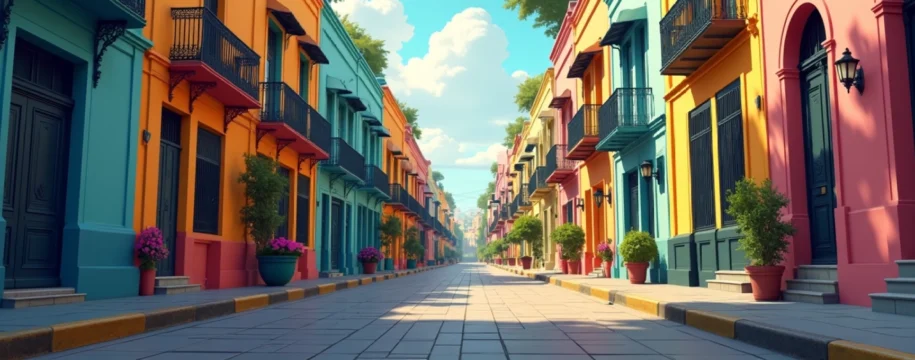
The vibrant Caminito street museum in La Boca neighbourhood represents one of Buenos Aires’ most photographed locations, where conventillos (tenement houses) display a rainbow of colours across their zinc facades. These humble dwellings, originally constructed by Italian immigrants using materials salvaged from the nearby port, have evolved into an open-air museum celebrating the neighbourhood’s working-class heritage. The tradition of painting houses in bright colours originated from practical necessity, as residents used leftover ship paint to protect their homes from the harsh riverside climate.
Local artists and tango dancers perform daily along Caminito’s winding pathway, creating an authentic street theatre experience that captures the essence of porteño culture. The museum-street showcases sculptures, murals, and installations that commemorate famous tango personalities and neighbourhood legends, making every visit a journey through Buenos Aires’ cultural memory.
Recoleta cemetery’s elaborate mausoleums and eva perón’s tomb
Recoleta Cemetery stands as Buenos Aires’ most prestigious final resting place, featuring over 6,400 elaborate mausoleums that resemble a miniature city of the dead. This neoclassical necropolis houses the remains of Argentina’s most influential figures, including presidents, writers, military heroes, and cultural icons. The cemetery’s marble pathways wind between architectural masterpieces representing various European styles, from Gothic revival to Art Deco magnificence.
Eva Perón’s tomb attracts thousands of visitors annually, marked by its simple black granite memorial that contrasts sharply with the ornate surrounding monuments. The cemetery’s labyrinthine layout and atmospheric charm have inspired numerous films and literary works, establishing it as one of the world’s most beautiful burial grounds.
Teatro colón’s acoustical engineering and belle époque design
The Teatro Colón represents the pinnacle of Buenos Aires’ cultural architecture, renowned globally for its exceptional acoustics and stunning Belle Époque design. This opera house, inaugurated in 1908, took twenty years to complete and features contributions from multiple European architects who created a harmonious fusion of French, Italian, and German architectural traditions. The theatre’s horseshoe-shaped auditorium accommodates 2,478 spectators across seven levels, whilst its stage ranks among the world’s largest at 35 metres wide.
The building’s acoustic perfection results from meticulous engineering that considers every surface material and spatial dimension. Legendary performers including Luciano Pavarotti, Maria Callas, and Plácido Domingo have praised the venue’s acoustic qualities, often comparing it favourably to La Scala and the Vienna State Opera. The theatre’s opulent interior showcases French tapestries, Venetian mosaics, and a magnificent 700-bulb chandelier that illuminates the hand-painted ceiling dome.
Casa rosada’s pink facade and neoclassical presidential architecture
The Casa Rosada serves as Argentina’s presidential palace and stands as one of Buenos Aires’ most recognisable landmarks, distinguished by its distinctive pink facade that overlooks the historic Plaza de Mayo. This neoclassical government building combines Italian and French architectural influences, featuring elegant balconies, ornate columns, and symmetrical proportions that reflect 19th-century European palace design. The building’s famous pink colour reportedly results from mixing white lime with ox blood, though local legends suggest various alternative explanations for this unique architectural choice.
The palace’s central balcony holds particular historical significance as the location where Eva Perón addressed massive crowds of supporters, and where countless political announcements have shaped Argentine history. Guided tours reveal lavishly decorated state rooms, including the White Hall, Blue Hall, and the presidential office, each showcasing period furniture, crystal chandeliers, and important artwork that reflects Argentina’s political heritage.
Tango culture and authentic milonga experiences
Tango culture permeates every aspect of Buenos Aires life, from intimate neighbourhood milongas to grand theatrical performances that showcase this passionate dance form’s evolution. The city breathes tango through its streets, cafés, and cultural venues, maintaining living traditions that originated in the late 19th century amongst immigrant communities in the port areas. This UNESCO-recognised cultural heritage continues thriving through dedicated practitioners who preserve authentic techniques whilst embracing contemporary interpretations.
Traditional milongas at confitería ideal and salon canning
Confitería Ideal represents Buenos Aires’ most atmospheric milonga venue, where authentic tango culture flourishes within a beautifully preserved 1912 café setting. The venue’s original marble columns, ornate ceiling details, and vintage furniture create an ambiance that transports dancers back to tango’s golden era. Evening milongas at Confitería Ideal attract both seasoned dancers and newcomers, following traditional códigos (social codes) that govern invitation protocols, floor navigation, and musical appreciation.
Salon Canning offers a more contemporary milonga experience whilst maintaining respect for traditional tango etiquette. This venue features excellent acoustics, spacious dance floors, and regular workshops led by renowned tango maestros. The salon attracts an international community of tango enthusiasts who appreciate its welcoming atmosphere and high-quality musical programming featuring classic orchestras and modern tango compositions.
Carlos gardel museum and tango’s golden age legacy
The Carlos Gardel Museum, located in the Abasto neighbourhood where the tango legend lived, preserves the memory of Argentina’s most beloved tango singer through an extensive collection of personal memorabilia, recordings, and historical documents. Gardel’s influence on tango development cannot be overstated, as his interpretative style and charismatic performances elevated tango from neighbourhood entertainment to international cultural phenomenon during the 1920s and 1930s.
The museum showcases Gardel’s stage costumes, personal correspondence, photographs, and original sheet music that document his artistic evolution. Interactive exhibits allow visitors to explore tango’s golden age through audio recordings, film clips, and multimedia presentations that contextualise Gardel’s contributions within broader cultural developments. The surrounding Abasto neighbourhood features several tango-related sites, including the former Abasto Market where Gardel spent his childhood.
San telmo’s sunday tango performances and street dancers
San Telmo transforms into Buenos Aires’ tango epicentre every Sunday when the neighbourhood’s antique fair attracts street performers who create spontaneous outdoor milongas throughout the historic district. Professional and amateur tango couples perform on cobblestone streets, in small plazas, and alongside café terraces, creating an authentic street theatre experience that captures tango’s improvisational spirit. These performances range from traditional salon-style demonstrations to dramatic stage tango interpretations that showcase different schools and generations of dancers.
The Sunday performances provide accessible introductions to tango culture for visitors whilst serving as important social gatherings for local tango communities. Musicians accompany dancers with portable sound systems or live bandoneón music, creating intimate concert atmospheres that celebrate tango’s communal aspects. Many performers welcome respectful observers and occasionally offer impromptu lessons to curious spectators.
Professional tango shows at el querandí and café tortoni
El Querandí presents Buenos Aires’ most sophisticated tango dinner show, combining haute cuisine with professional performances that trace tango’s evolution from its humble origins to contemporary expressions. The venue’s intimate setting allows guests to appreciate subtle technical details whilst enjoying multi-course meals featuring Argentine specialities. Professional dancers, singers, and musicians collaborate to create themed performances that explore different tango periods, regional variations, and artistic interpretations.
Café Tortoni, established in 1858, offers more intimate tango performances within South America’s oldest café setting. The venue’s historical significance extends beyond tango to encompass broader porteño cultural traditions, as it has hosted literary gatherings, political discussions, and artistic salons throughout its lengthy history. Evening tango shows at Café Tortoni feature acoustic performances that emphasise tango’s lyrical and musical qualities within an authentic café atmosphere.
Gastronomic excellence and argentine culinary traditions
Buenos Aires stands among the world’s premier gastronomic destinations, offering an extraordinary culinary landscape that reflects the city’s multicultural heritage and Argentina’s exceptional agricultural resources. The capital’s restaurant scene ranges from traditional parrillas serving world-renowned beef to innovative establishments pushing contemporary cuisine boundaries. This culinary diversity stems from successive immigration waves that introduced Italian, Spanish, French, and Middle Eastern influences, creating a unique fusion that defines modern Argentine gastronomy.
The city’s commitment to gastronomic excellence manifests through numerous restaurants recognised by international guides, including several establishments featured among the World’s 50 Best Restaurants. Local chefs have gained international recognition for their innovative approaches to traditional Argentine ingredients, particularly their sophisticated treatments of grass-fed beef, Malbec wine pairings, and regional specialities from across Argentina’s diverse geographic regions.
Argentine beef culture extends far beyond simple steakhouse dining to encompass sophisticated grilling techniques, specific cut preparations, and wine pairing traditions that have evolved over generations. Traditional parrillas operate throughout the city, from neighbourhood establishments serving local families to high-end restaurants attracting international food enthusiasts. The Argentine barbecue tradition emphasises slow cooking over wood fires, allowing natural flavours to develop whilst maintaining optimal texture and tenderness.
Beyond beef, Buenos Aires offers exceptional Italian cuisine reflecting the city’s significant Italian immigrant population, with numerous establishments serving house-made pasta, authentic pizzas, and traditional desserts. The café culture rivals European capitals, featuring historic establishments that serve as social gathering places where locals spend hours enjoying cortados , medialunas , and animated conversations. These culinary traditions create daily rituals that define porteño lifestyle and provide visitors with authentic cultural immersion opportunities.
The city’s wine scene showcases Argentina’s position as a major wine producer, with numerous wine bars, tasting rooms, and restaurants offering extensive selections of Malbec, Torrontés, and other regional varietals. Many establishments offer guided tastings led by certified sommeliers who explain terroir characteristics, production methods, and optimal food pairings. This wine culture extends to casual dining settings where even modest restaurants maintain impressive wine lists featuring boutique producers alongside established wineries.
European-influenced neighbourhoods and urban planning
Buenos Aires showcases exceptional urban planning that reflects extensive European influence, creating distinct neighbourhoods with unique architectural characters and cultural identities. The city’s development during the late 19th and early 20th centuries coincided with massive European immigration, resulting in urban landscapes that mirror Parisian boulevards, Italian piazzas, and Spanish colonial squares. This European-influenced planning creates walkable neighbourhoods with human-scale streets, abundant green spaces, and mixed-use developments that promote community interaction.
Palermo’s Tree-Lined avenues and french garden squares
Palermo represents Buenos Aires’ largest and most diverse neighbourhood, featuring extensive parklands, tree-lined avenues, and elegant squares designed according to French landscape architecture principles. The neighbourhood’s development began during the 1870s when President Domingo Sarmiento commissioned French landscape architect Charles Thays to create a sophisticated park system that would rival European capitals. These planning efforts resulted in over 400 hectares of interconnected green spaces, including formal gardens, artificial lakes, and recreational facilities that serve both local residents and visitors.
The Rose Garden within Palermo showcases over 8,000 rose bushes representing more than 1,000 varieties, creating spectacular seasonal displays that attract photographers and garden enthusiasts throughout the blooming seasons. Surrounding this botanical centrepiece, the neighbourhood features numerous sub-districts including Palermo Soho and Palermo Hollywood, each maintaining distinct characters through preserved architecture, curated retail offerings, and specialised dining scenes that reflect contemporary porteño lifestyle preferences.
Puerto madero’s waterfront regeneration and modern skyscrapers
Puerto Madero exemplifies successful urban regeneration, transforming abandoned port facilities into Buenos Aires’ most modern neighbourhood featuring contemporary architecture, upscale dining, and waterfront promenades. This ambitious redevelopment project began during the 1990s and represents one of South America’s most successful urban renewal initiatives, creating a mixed-use district that combines residential towers, commercial spaces, cultural venues, and public amenities along the Río de la Plata waterfront.
The neighbourhood’s master plan prioritised pedestrian accessibility, environmental sustainability, and cultural programming, resulting in wide sidewalks, bicycle paths, and public art installations that encourage community engagement. Iconic structures include the Puente de la Mujer, a rotating pedestrian bridge designed by Santiago Calatrava, and numerous high-rise towers that provide panoramic city and river views. These modern developments contrast beautifully with preserved historic warehouse buildings that house restaurants, museums, and cultural centres.
Barrio norte’s haussmanian boulevard design
Barrio Norte showcases Buenos Aires’ most direct homage to Parisian urban planning, featuring wide boulevards, elegant apartment buildings, and sophisticated retail districts that mirror Haussmannian design principles. This neighbourhood developed during the early 20th century as wealthy families sought to create residential areas that reflected European sophistication and modern amenities. The resulting urban landscape features consistent building heights, uniform facade treatments, and integrated commercial ground floors that create pleasant pedestrian environments.
Santa Fe Avenue serves as the neighbourhood’s primary commercial corridor, lined with boutique shops, department stores, and cafés that cater to discerning local clientele. The street’s design incorporates wide sidewalks, regular tree plantings, and architectural details that create visual continuity whilst accommodating diverse commercial uses. This planning approach results in vibrant street life where shopping, dining, and social activities seamlessly integrate within walkable distances.
Villa crespo’s industrial heritage and artisanal districts
Villa Crespo represents Buenos Aires’ successful transformation of former industrial areas into vibrant artisanal districts that celebrate local creativity whilst preserving architectural heritage. This neighbourhood’s evolution reflects broader urban trends toward mixed-use development that supports small businesses, independent artists, and innovative retailers within authentic community settings. Former textile factories and warehouses now house design studios, craft breweries, vintage shops, and contemporary art galleries that attract both locals and cultural tourists.
The neighbourhood maintains its authentic character through preserved industrial architecture, including brick warehouses, factory buildings, and worker housing that provide affordable spaces for creative enterprises. This architectural heritage creates unique venues for markets, exhibitions, and cultural events that celebrate local artisans and independent producers. Villa Crespo’s development demonstrates how industrial heritage can support contemporary creative economies whilst maintaining neighbourhood character and community connections.
Cultural institutions and World-Class museums
Buenos Aires maintains exceptional cultural institutions that rival major international capitals, offering comprehensive collections spanning fine arts, contemporary works, historical artefacts, and specialised exhibitions that reflect Argentina’s rich cultural heritage. The city’s museum network encompasses over 100 institutions, ranging from intimate house museums dedicated to individual artists to major institutions housing internationally significant collections. These cultural venues provide essential insights into Argentine history, artistic developments, and contemporary cultural expressions that define the nation’s identity.
The Museo Nacional de Bellas Artes houses Argentina’s most comprehensive fine arts collection, featuring works by European masters alongside extensive Argentine and Latin American pieces that document regional artistic evolution. The museum’s permanent collection includes paintings by Monet, Renoir, and Van Gogh, whilst its Argentine galleries showcase works by major national artists including Benito Quinquela Martín, Xul Solar, and Antonio Berni. Special exhibitions regularly present international touring shows and thematic displays that contextualise Argentine art within broader cultural movements.
MALBA (Museum of Latin American Art of Buenos Aires) focuses specifically on modern and contemporary Latin American art, maintaining one of the region’s most significant collections of 20th-century works. The museum
features works by renowned artists including Frida Kahlo, Diego Rivera, and Fernando Botero, alongside contemporary pieces that reflect ongoing artistic dialogue across Latin America. The museum’s architectural design by renowned architects creates contemplative spaces that enhance artwork appreciation whilst maintaining international exhibition standards.
The Museo Evita preserves the legacy of Argentina’s most influential First Lady through personal artefacts, clothing, and historical documents that chronicle her rise from provincial origins to international icon. The museum’s permanent exhibition traces Eva Perón’s political activism, social advocacy, and enduring impact on Argentine society through multimedia presentations and carefully curated displays. Interactive elements allow visitors to explore the historical context surrounding her brief but transformative political career.
Specialized institutions include the Museo del Tango, which documents the dance form’s cultural evolution through costumes, instruments, and audio-visual presentations, and the Museo de Arte Decorativo, housed in a magnificent French-style palace that showcases European decorative arts within authentic period settings. These focused collections provide deeper understanding of specific cultural aspects that define Buenos Aires’ sophisticated artistic landscape.
Vibrant nightlife and late-night dining culture
Buenos Aires pulses with one of South America’s most dynamic nightlife scenes, where evening entertainment begins well after most international cities have settled into quiet repose. The capital’s nocturnal culture reflects distinctly Argentine social rhythms, with dinner reservations typically beginning at 9 PM and nightclub activities not commencing until after midnight. This late-night lifestyle creates extended social opportunities that allow locals and visitors to experience the city’s passionate energy across multiple venues throughout single evenings.
The neighbourhood of Palermo Hollywood serves as the epicentre of contemporary nightlife, featuring rooftop bars, craft cocktail establishments, and innovative restaurants that remain active until dawn. These venues often combine dining, drinking, and entertainment within sophisticated settings that showcase modern Argentine hospitality standards. Many establishments feature live music performances, DJ sets, or cultural programming that reflects the city’s commitment to artistic expression within social environments.
Traditional boliches (nightclubs) maintain enormous popularity amongst locals, particularly large-scale venues that host international DJs alongside prominent Argentine artists. These establishments often occupy converted warehouses or purpose-built facilities that accommodate thousands of patrons, creating festival-like atmospheres with multiple dance floors, VIP areas, and extensive bar services. The most popular venues include Crobar, Niceto Club, and Amerika, each maintaining distinct musical identities and clientele preferences.
Buenos Aires’ late-night dining culture extends far beyond typical restaurant hours, with many establishments serving full menus until 2 AM or later. This dining flexibility accommodates the local preference for extended social gatherings that seamlessly transition from dinner to drinks to dancing throughout single evenings. Parrillas remain particularly popular for late-night dining, as grilled meats provide substantial foundations for extended drinking and socializing.
The city’s café culture contributes significantly to nightlife diversity, with numerous establishments remaining open throughout the night to serve as meeting points for various social groups. These late-night cafés often transform from quiet reading spaces during daytime hours to animated social hubs where artists, students, and professionals gather for extended conversations over coffee, wine, or local spirits. Many feature live music performances, poetry readings, or cultural events that extend their appeal beyond simple refreshment services.
Cocktail culture has experienced remarkable growth in recent years, with numerous establishments gaining international recognition for innovative drinks that incorporate Argentine ingredients and techniques. These craft cocktail bars often feature house-infused spirits, regional botanicals, and creative presentations that reflect contemporary mixology trends whilst maintaining connections to local flavour profiles. Many venues employ internationally trained bartenders who bring global expertise to local ingredient applications, creating unique drinking experiences unavailable elsewhere.