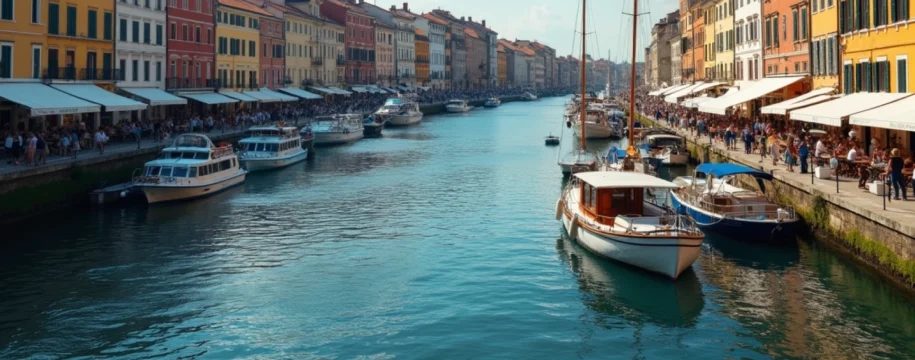
Europe offers an extraordinary tapestry of cultures, cuisines, and experiences within remarkably accessible distances, making it the perfect continent for spontaneous weekend adventures. The rise of budget airlines, improved rail connectivity, and the emergence of affordable accommodation options across Eastern European capitals have transformed weekend travel from a luxury into an achievable reality for budget-conscious explorers. With strategic planning and insider knowledge of pricing patterns, you can explore medieval Old Towns, sample world-class cuisine, and immerse yourself in centuries of history without depleting your savings account.
The key to successful budget travel lies in understanding the intricate relationship between timing, destination selection, and transportation optimization. Currency fluctuations, seasonal pricing variations, and the strategic positioning of low-cost airline hubs create opportunities for savvy travellers to experience Europe’s most captivating destinations at fraction of traditional costs. From the cobblestone streets of Tallinn’s Digital Quarter to the sun-drenched terraces of Valencia’s Malvarosa Beach, affordable European weekends offer experiences that rival far more expensive destinations.
Budget-conscious destination selection criteria for european weekend breaks
Selecting the optimal destination for your European weekend adventure requires a systematic approach that balances cost efficiency with experiential value. The foundation of any successful budget trip begins with understanding the economic landscape of potential destinations, including local pricing structures, accommodation availability, and the purchasing power of your home currency. Smart destination selection involves analyzing multiple variables simultaneously: flight costs, accommodation prices, local transportation expenses, meal costs, and attraction entry fees.
The most cost-effective European destinations typically fall into three categories: Eastern European capitals with favorable exchange rates, Mediterranean coastal towns during shoulder seasons, and Northern European cities with excellent public transportation systems. Each category offers distinct advantages depending on your travel preferences and budget constraints. Eastern European destinations like Prague, Budapest, and Krakow consistently deliver exceptional value, with restaurant meals costing as little as £8-12 and quality accommodation available from £25-40 per night.
Low-cost airline route analysis: ryanair and EasyJet network coverage
Understanding the route networks of Europe’s major budget carriers is crucial for identifying affordable weekend destinations. Ryanair and EasyJet collectively serve over 300 European destinations, with strategic hubs that can significantly reduce your travel costs. Ryanair’s extensive Eastern European network includes secondary airports that often provide better value than primary hubs, though you should factor in additional ground transportation time and costs.
EasyJet’s network strength lies in its coverage of Western European capitals and Mediterranean destinations, with particularly competitive pricing on routes to Berlin, Amsterdam, and Barcelona. The airline’s base structure means that flights from certain UK airports offer significantly better value – for instance, routes from London Gatwick and Manchester typically provide more competitive pricing than regional departures. Booking flexibility becomes essential when working with budget carriers, as Tuesday and Wednesday departures often cost 30-40% less than weekend flights.
Accommodation price index comparison across eastern european capitals
Eastern European capitals present remarkable accommodation value, with hostel beds starting from £12-18 per night and mid-range hotels available from £35-55. Prague leads in terms of accommodation variety, offering everything from restored medieval buildings to modern design hotels at competitive prices. The city’s extensive public transportation network means you can stay in residential areas like Vinohrady or Karlín and reach the historic center within 15 minutes.
Budapest offers perhaps the best accommodation value in Europe, with thermal spa hotels providing luxury experiences at fraction of Western European costs. Quality apartments in central Pest district start from £40 per night, while boutique hotels in the Castle District rarely exceed £80. Warsaw and Krakow provide excellent value for money, though Krakow’s popularity has driven prices higher during peak summer months. Advance booking strategies prove particularly effective in Eastern European markets, where securing accommodation 6-8 weeks ahead can reduce costs by 25-35%.
Peak vs Off-Peak pricing strategies for prague, budapest, and krakow
Understanding seasonal pricing patterns across Eastern Europe’s most popular destinations can dramatically reduce your weekend break costs. Prague experiences its highest prices during the summer festival season (June-August) and the magical Christmas market period (December), when hotel rates can increase by 150-200%. However, the shoulder seasons of April-May and September-October offer ideal weather conditions with prices reduced by 40-50% compared to peak periods.
Budapest’s thermal spa culture makes it an attractive year-round destination, but strategic timing can yield significant savings. The city’s lowest accommodation prices occur during January-February, excluding New Year’s week, when luxury spa hotels offer rates comparable to mid-range properties. Krakow presents unique pricing dynamics due to its proximity to Auschwitz-Birkenau, creating consistent demand that moderates seasonal price fluctuations. However, avoiding Polish national holidays and university graduation periods can reduce costs substantially.
Currency exchange rate impact on travel budgets in Non-Eurozone countries
Currency considerations play a crucial role in maximizing your purchasing power across non-Eurozone European destinations. Countries using their own currencies – including Czech Republic (Czech Koruna), Poland (Polish Zloty), and Hungary (Hungarian Forint) – often provide superior value compared to Eurozone destinations. Current exchange rate trends favor British travelers, with the pound maintaining strong purchasing power against Eastern European currencies.
The Czech Koruna’s stability against major Western currencies creates predictable budgeting opportunities, while the Polish Zloty’s relative weakness has made Poland increasingly attractive for budget-conscious travelers. Hungary’s Forint presents the most volatile exchange patterns, creating opportunities for strategic currency timing but requiring careful monitoring. Using fee-free travel cards or withdrawing cash from local ATMs typically provides better exchange rates than airport currency exchanges, potentially saving 5-8% on your total budget.
Eastern europe’s hidden gems: Ultra-Affordable cultural destinations
Eastern Europe’s transformation over recent decades has created a remarkable collection of accessible cultural destinations that combine historical significance with exceptional affordability. These cities offer experiences that rival Western European capitals at fraction of the cost, featuring UNESCO World Heritage sites, world-class museums, and vibrant cultural scenes without the crowds and prices of more established tourist destinations. The region’s rapid development has improved infrastructure and accommodation standards while maintaining the authentic character that makes each destination unique.
The secret to Eastern Europe’s appeal lies in its ability to provide genuine cultural immersion without the commercialization that often accompanies mass tourism. Local restaurants serve traditional cuisine at prices that seem almost impossible by Western standards, while museums and cultural attractions maintain modest entry fees that make extensive exploration affordable. Cultural authenticity remains high across the region, offering travelers opportunities to experience local customs, festivals, and traditions in their original context.
Vilnius old town UNESCO heritage site exploration on £150 budget
Vilnius presents one of Europe’s most remarkable budget travel opportunities, where £150 can cover a complete weekend including flights, accommodation, meals, and cultural activities. The Lithuanian capital’s Old Town, recognized as a UNESCO World Heritage site, encompasses over 1,500 buildings representing Gothic, Renaissance, Baroque, and Neoclassical architectural styles. The compact nature of the historic center makes it ideal for walking exploration, eliminating transportation costs while maximizing sightseeing opportunities.
Accommodation in Vilnius averages £25-35 per night for quality hostels or guesthouses, with many properties located within walking distance of major attractions. Local restaurants offer traditional Lithuanian cuisine – including cepelinai (potato dumplings) and šaltibarščiai (cold beetroot soup) – for £6-10 per meal. The city’s emerging coffee culture provides excellent café options for £2-3 per drink, making it easy to budget for regular refreshment breaks during extensive walking tours. Free cultural activities include exploring Užupis district’s street art scene and climbing Gediminas Tower for panoramic city views.
Bratislava castle district and danube riverside walking tours
Slovakia’s capital offers exceptional value for travelers seeking a compact European city break with easy access to both historical sites and natural beauty. Bratislava Castle, perched dramatically above the Danube River, provides the focal point for exploration while the riverside promenades offer peaceful walking routes with spectacular views. The city’s small size becomes an advantage for weekend visitors, allowing comprehensive exploration without rushing between distant attractions.
The castle district’s cobblestone streets lead through medieval architecture to modern galleries and restaurants, creating diverse experiences within walking distance. Danube riverside paths extend for several kilometers, offering opportunities for morning jogs or evening strolls with views across to Austria and Hungary. Local wine bars serve excellent Slovak wines for £3-5 per glass, while traditional restaurants offer hearty meals for £8-12. Strategic positioning makes Bratislava an ideal base for day trips to Vienna (one hour by train) or Budapest (two hours), effectively creating multi-country weekend itineraries within modest budgets.
Lviv’s coffee culture and architectural baroque masterpieces
Ukraine’s cultural capital has emerged as one of Europe’s most intriguing budget destinations, combining exceptional coffee culture with stunning Baroque architecture and remarkably affordable prices. Lviv’s coffee tradition dates back centuries, creating a sophisticated café scene where you can enjoy expertly prepared coffee for £1-2 per cup. The city’s architectural heritage reflects its complex history under Polish, Austrian, and Soviet rule, resulting in an eclectic mix of styles concentrated within the compact historic center.
The UNESCO-listed Old Town features over 2,000 architectural monuments, including the magnificent Lviv Opera House and the mysterious Armenian Cathedral. Local restaurants serve traditional Ukrainian cuisine at incredibly affordable prices, with complete meals available for £4-8. Accommodation costs remain exceptionally low, with comfortable guesthouses available from £15-25 per night. Cultural immersion opportunities include traditional music performances, art galleries featuring local contemporary artists, and workshops demonstrating traditional crafts. The favorable exchange rate makes Lviv particularly attractive for budget-conscious travelers seeking authentic Eastern European experiences.
Tallinn medieval quarter and digital Nomad-Friendly cafés
Estonia’s capital successfully balances medieval charm with cutting-edge digital culture, creating a unique destination where ancient cobblestone streets meet high-speed internet and innovative startups. Tallinn’s Old Town, completely encircled by medieval walls, contains one of Europe’s best-preserved medieval city centers alongside a thriving community of digital entrepreneurs and remote workers. This combination creates an atmosphere where historical exploration seamlessly integrates with modern conveniences.
The medieval quarter’s attractions include Toompea Castle, Alexander Nevsky Cathedral, and numerous guild halls that now house restaurants and craft shops. Digital nomad-friendly cafés throughout the city offer reliable Wi-Fi, comfortable working spaces, and excellent coffee for £2-4 per drink. Local restaurants serve both traditional Estonian cuisine and international options, with meals ranging from £8-15. Modern infrastructure includes comprehensive public Wi-Fi coverage and efficient public transportation, making navigation and connectivity seamless for visitors. The Estonian capital’s compact size allows complete exploration of both historical sites and contemporary cultural venues within a weekend timeframe.
Mediterranean coastal retreats under £200 per person
Mediterranean coastlines offer some of Europe’s most appealing weekend destinations, combining cultural richness with coastal relaxation at surprisingly affordable prices when approached strategically. The key to budget Mediterranean travel lies in understanding seasonal patterns, selecting destinations with favorable accommodation-to-attraction ratios, and leveraging the excellent public transportation systems found in cities like Porto, Valencia, Split, and Naples. These destinations provide authentic Mediterranean experiences without the premium pricing associated with more famous coastal resorts.
The Mediterranean’s diverse cultural landscape means each destination offers unique experiences while maintaining the common threads of excellent cuisine, historic architecture, and coastal beauty. Shoulder season travel becomes particularly advantageous in Mediterranean destinations, where April-May and September-October provide ideal weather conditions with significantly reduced accommodation and restaurant prices. Local transportation systems, often including integrated bus, metro, and ferry services, make it possible to experience both urban cultural sites and coastal relaxation within the same weekend.
Porto’s ribeira district and douro valley day trip integration
Porto exemplifies the perfect balance between urban cultural experiences and scenic natural beauty, all accessible within a modest weekend budget. The Ribeira district’s UNESCO-listed riverside area provides a concentrated collection of restaurants, bars, and cultural sites within easy walking distance of affordable accommodation options. Traditional Portuguese cuisine, including francesinha sandwiches and fresh seafood, costs significantly less than comparable meals in other Western European cities, with restaurant meals available for £12-18 per person.
The city’s efficient public transportation system makes day trips to the Douro Valley both practical and affordable, with train journeys to Peso da Régua or Pinhão costing under £15 return. These excursions provide access to world-renowned wine regions where tastings and cellar tours remain reasonably priced compared to other European wine destinations. Porto’s accommodation ranges from boutique guesthouses in restored historic buildings (£40-60 per night) to modern hostels near the university district (£20-30 per night). Cultural density within the compact city center means you can visit multiple museums, churches, and viewpoints without extensive travel time or transportation costs.
Valencia’s city of arts and sciences with malvarosa beach access
Valencia demonstrates how major Spanish cities can provide exceptional value when approached with proper planning and local knowledge. The city’s renowned City of Arts and Sciences offers world-class modern architecture and cultural attractions, while Malvarosa Beach provides Mediterranean coastline access via efficient public transportation. This combination of urban sophistication and beach relaxation creates diverse weekend experiences without requiring expensive resort accommodation.
The city’s comprehensive public transportation network includes buses, metro, and the modern tram system that connects the city center directly to beach areas. Restaurant costs remain remarkably reasonable for a major European city, with traditional paella available from £8-12 per person and tapas bars offering substantial portions for £4-8 per dish. Valencia’s accommodation options include everything from backpacker hostels (£18-25 per night) to boutique hotels in the historic quarter (£55-75 per night). Strategic location advantages include easy access to additional Mediterranean destinations via high-speed rail connections to Barcelona and Madrid, effectively extending weekend trip possibilities.
Split’s diocletian palace and marjan hill hiking combinations
Croatia’s second-largest city offers an extraordinary combination of ancient Roman heritage and stunning Adriatic coastline, all accessible within walking distance of the city center. Diocletian’s Palace, a UNESCO World Heritage site, forms the living heart of Split’s Old Town, where restaurants, shops, and accommodations operate within buildings constructed for a Roman Emperor in the 4th century. This unique urban environment creates immersive historical experiences without the need for expensive guided tours or transportation to distant archaeological sites.
Marjan Hill’s hiking trails provide panoramic views over the Adriatic islands and Split’s historic peninsula, offering free outdoor recreation within 15 minutes’ walk of the city center. The combination of urban exploration and natural beauty makes Split ideal for travelers seeking diverse experiences without extensive transportation costs. Local restaurants serve excellent Dalmatian cuisine, including fresh seafood and local wines, at prices significantly lower than comparable Italian coastal destinations. Island accessibility via regular ferry services creates opportunities for day trips to nearby islands like Brač or Hvar, extending the coastal experience while maintaining budget-friendly accommodation in Split’s competitive hotel and guesthouse market.
Naples’ historic centre and vesuvius national park excursions
Naples provides an authentic Italian experience that combines UNESCO World Heritage urban exploration with access to one of the world’s most famous volcanic landscapes. The city’s historic center contains more historic churches per square kilometer than anywhere else in the world, while street food culture offers exceptional culinary experiences at remarkably affordable prices. Pizza margherita, invented in Naples, costs £4-6 at traditional pizzerias, while street food specialties like arancini and sfogliatelle provide substantial snacks for £2-3 each.
Vesuvius National Park excursions are accessible via public transportation and organized tours that depart from Naples’ central train station, making volcano hiking possible without rental car expenses. The combination of urban cultural sites, coastal access, and dramatic natural landscapes creates diverse weekend possibilities within a compact geographical area. Naples’ accommodation options range from historic center guesthouses (£35-50 per night) to modern hostels near the university district (£20-30 per night). Transportation efficiency includes the comprehensive Unico Campania transport pass, providing access to buses, metros, and regional trains serving Pompeii, the Amalfi Coast, and Vesuvius at integrated pricing that reduces overall travel costs.
Northern european city breaks: maximising value in expensive markets
Northern European destinations traditionally carry higher price tags, but strategic planning and local knowledge can unlock exceptional value even in expensive markets like Stockholm, Copenhagen, and Amsterdam. The key lies in understanding that these cities offer comprehensive public services, extensive free cultural activities, and efficient transportation systems that can offset higher accommodation and restaurant costs. Many Northern European cities provide city cards that bundle transportation with museum entries
, including museum admissions, creating substantial value propositions for short stays. Stockholm’s comprehensive transport card, for instance, includes ferry rides to the archipelago, effectively providing scenic excursions at no additional cost.
The strategy for maximizing value in Northern European markets involves leveraging free cultural offerings, utilizing efficient public transportation systems, and timing visits to coincide with seasonal promotions. Cities like Helsinki offer extensive networks of libraries with modern facilities, free Wi-Fi, and comfortable spaces for relaxation between paid activities. Copenhagen’s extensive bicycle infrastructure eliminates transportation costs while providing authentic local experiences. Strategic accommodation selection in residential neighborhoods often provides better value than central tourist districts, with excellent public transport connections ensuring easy access to major attractions.
Understanding the Nordic concept of hygge and similar cultural philosophies can significantly enhance value perception during Northern European city breaks. Free activities like park visits, coastal walks, and architectural appreciation become more meaningful when approached with local cultural context. Stockholm’s Gamla Stan provides hours of free exploration through medieval streets, while Copenhagen’s Nyhavn district offers picturesque canal-side walks without entrance fees. The key lies in balancing higher accommodation and dining costs with the extensive free cultural and recreational opportunities these well-organized societies provide to both residents and visitors.
Transportation optimisation strategies for multi-city european itineraries
Multi-city European itineraries require sophisticated transportation planning to maximize both time efficiency and cost effectiveness. The continent’s integrated rail network, combined with strategic budget airline positioning, creates opportunities for complex routing that can significantly reduce per-destination costs while expanding cultural experiences. Understanding connection hubs, booking timing strategies, and intermodal transportation options becomes crucial for creating seamless multi-city adventures within weekend timeframes.
The European rail system’s interconnected nature means that strategic city selection can create natural progression routes that minimize both travel time and costs. Central European hubs like Prague, Vienna, and Budapest form triangular connections with journey times of 4-7 hours, making overland travel competitive with budget airline options when considering airport transfer times and check-in requirements. Eastern European capitals connected by overnight train services provide accommodation and transportation combined, effectively extending available exploration time while reducing overall costs.
Budget airline hub analysis reveals optimal routing strategies for multi-city itineraries. Ryanair’s extensive network from secondary airports creates opportunities for unconventional routing that can reduce total transportation costs by 40-60% compared to traditional flag carrier options. Open-jaw ticketing strategies become particularly valuable when combined with overland connections, allowing travelers to fly into one city and depart from another while exploring intermediate destinations via ground transportation. This approach works exceptionally well for routes like London-Prague-Vienna-Budapest-London, where the total transportation cost often equals or undercuts direct return flights to single destinations.
Intermodal transportation combinations unlock additional value through strategic mixing of rail, bus, and short-haul flights. FlixBus’s extensive European network provides comfortable overnight connections between major cities at costs significantly below equivalent flights or train journeys. The key lies in understanding when time savings justify additional costs and when slower transportation creates opportunities for scenic experiences that enhance overall trip value. Ferry connections across the Baltic Sea, for example, provide accommodation, meals, and transportation combined, creating unique experiences while serving practical routing purposes.
Seasonal pricing analytics and booking window optimisation techniques
Mastering European travel pricing patterns requires understanding the complex interplay between seasonal demand fluctuations, local event calendars, and booking timing strategies. Advanced pricing analytics reveal that optimal booking windows vary significantly across different European regions and destination types, with Eastern European cities showing different patterns from Mediterranean coastal areas and Northern European capitals. These variations create opportunities for sophisticated travelers to achieve substantial savings through strategic timing decisions.
Seasonal pricing analysis reveals that shoulder seasons provide the most consistent value across European destinations, but the specific timing varies by region. Mediterranean destinations show their steepest price drops during November-March, while Eastern European cities offer best value during January-February and November. Northern European destinations demonstrate more complex seasonal patterns, with summer pricing premiums offset by extensive daylight hours and cultural programming. Dynamic pricing algorithms used by airlines and hotels mean that booking timing becomes increasingly crucial, with sweet spots typically occurring 6-12 weeks before travel dates for most European destinations.
Local event calendars significantly impact pricing structures across European cities, creating both opportunities and pitfalls for budget travelers. Major festivals, conferences, and sporting events can increase accommodation costs by 200-400%, but they also create unique cultural experiences that justify higher expenses. Understanding these patterns allows travelers to either avoid peak pricing periods or embrace them strategically for enhanced experiences. Prague’s classical music festivals, Oktoberfest in Munich, or Edinburgh’s Fringe Festival represent premium experiences that may warrant adjusted budget allocations.
Advanced booking optimization techniques include fare monitoring tools, flexible date searching, and strategic use of different booking platforms for various travel components. Price tracking applications provide alerts when fares drop below specified thresholds, while flexible date searches reveal optimal travel windows within broader timeframes. The most sophisticated travelers combine multiple booking platforms strategically – using airline websites for flights, local booking sites for accommodation, and international platforms for comparison shopping. Currency arbitrage opportunities occasionally arise when booking through different national versions of the same platforms, particularly for travelers with access to multiple currency payment options.
Error fares and flash sales create exceptional opportunities for substantial savings, but require preparedness and flexibility. Airlines occasionally publish incorrect fares due to currency conversion errors or system glitches, creating opportunities for savings of 70-90% on normal prices. These opportunities typically last only hours before correction, requiring travelers to maintain flexible schedules and payment methods ready for immediate booking. Similarly, flash sales often occur during off-peak booking periods, creating opportunities for significant savings on both popular and emerging European destinations.