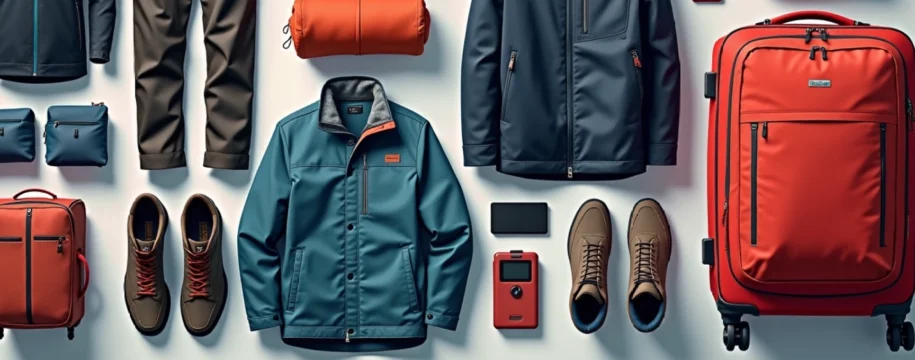
Packing efficiently for travel represents one of the most crucial skills modern travellers can master. The delicate balance between bringing everything you need whilst avoiding excess baggage fees requires strategic planning, smart material choices, and an understanding of space optimisation techniques. With airlines becoming increasingly strict about weight restrictions and passengers facing higher charges for overweight luggage, the art of intelligent packing has never been more relevant.
The psychology of overpacking often stems from the fear of being unprepared, leading travellers to pack for every conceivable scenario rather than focusing on versatile essentials. This comprehensive approach to luggage selection and packing methodology will transform how you prepare for journeys, whether you’re embarking on a weekend city break or a month-long expedition across multiple climate zones.
Strategic weight distribution and luggage capacity assessment
Understanding your luggage’s capacity and weight distribution forms the foundation of effective packing. Modern travellers must navigate increasingly complex airline regulations whilst maximising their allowable weight limits. The key lies in treating your suitcase as a three-dimensional puzzle where every gram counts and space efficiency determines success.
Airline weight restrictions: british airways vs ryanair vs easyjet allowances
British Airways typically allows 23kg for checked luggage on economy flights, with business class passengers enjoying 32kg allowances. Their hand luggage policy permits bags up to 56cm x 45cm x 25cm, weighing no more than 23kg. This generous allocation provides excellent flexibility for longer trips requiring diverse clothing options.
Ryanair operates with stricter limitations, offering just 10kg for priority boarding bags measuring 55cm x 40cm x 20cm. Non-priority passengers face even tighter restrictions with small personal bags fitting under the seat. These constraints demand ruthless efficiency in item selection and packing techniques.
easyJet falls between these extremes, allowing cabin bags up to 56cm x 45cm x 25cm without weight restrictions for all passengers. Their checked baggage starts at 15kg with options to upgrade to 23kg or 32kg. Understanding these variations enables strategic airline selection based on your packing requirements.
Hard shell vs soft shell suitcase weight impact analysis
Hard shell suitcases typically weigh between 3.5kg to 5kg when empty, consuming 15-22% of your total weight allowance before adding any contents. However, their rigid structure provides superior protection for fragile items and maintains consistent internal dimensions for efficient packing.
Soft shell alternatives usually weigh 2.5kg to 3.5kg, reserving more capacity for actual belongings. Their flexible exteriors can expand slightly to accommodate last-minute additions, though this advantage diminishes with airline size restrictions. The weight savings of 1-2kg can accommodate additional clothing or souvenirs.
Consider hybrid designs that combine hard shell bases with soft shell tops, offering optimal protection for the bottom compartment whilst maintaining weight efficiency. These innovative solutions typically weigh 3-4kg, striking an excellent balance between durability and weight conservation.
Digital luggage scales and Pre-Departure weight verification techniques
Digital luggage scales provide accuracy within 50 grams, essential for avoiding costly airport surcharges. Portable models weighing less than 200 grams can accompany you throughout your trip, enabling weight monitoring when acquiring souvenirs or redistributing items between bags.
Pre-departure verification should occur 24-48 hours before travel, allowing time for adjustments without last-minute panic. Weigh your luggage multiple times and in different positions to account for weight distribution variations. Some scales show different readings depending on how the bag hangs.
Bathroom scales offer an alternative method: weigh yourself alone, then holding the suitcase, and calculate the difference. This technique lacks precision but provides a reasonable estimate when dedicated luggage scales aren’t available. Always err on the conservative side, leaving 1-2kg buffer for measurement variations.
Cubic packing efficiency: maximising 23kg allowance distribution
Cubic packing efficiency maximises volume utilisation through strategic item placement. Dense items like shoes and toiletries should occupy the suitcase’s corners and base, creating a stable foundation for lighter garments. This distribution prevents contents from shifting during transit whilst optimising space usage.
The 80-20 rule applies to packing: 80% of your luggage weight should consist of essential items you’ll definitely use, whilst 20% can accommodate “nice-to-have” additions. This approach prevents overpacking whilst ensuring you’re adequately prepared for various scenarios.
Consider weight distribution between multiple bags if travelling with companions. Sharing heavy items like electronics or toiletries across different suitcases can help everyone stay within limits whilst maintaining access to necessary items. This collaborative approach proves particularly effective for families or groups with varying weight allowances.
Fabric technology and material selection for optimal packing
Modern fabric technology has revolutionised travel clothing, offering materials that pack smaller, weigh less, and perform better than traditional alternatives. Understanding these innovations enables informed choices that dramatically reduce luggage weight whilst maintaining comfort and functionality across diverse climates and activities.
Merino wool vs synthetic blends: Weight-to-Warmth ratio comparison
Merino wool delivers exceptional weight-to-warmth ratios, with 150-gram garments providing warmth equivalent to 300-gram cotton alternatives. Its natural odour resistance allows multiple wears without washing, reducing the total number of garments needed. A single merino base layer can function as underwear, sleepwear, or casual wear.
Synthetic blends like polyester-spandex combinations offer superior moisture-wicking properties and faster drying times. These materials typically weigh 20-30% less than comparable cotton garments whilst maintaining durability. Advanced synthetic fabrics resist wrinkles better than natural fibres, emerging from suitcases ready to wear.
Hybrid fabrics combining merino wool with synthetic fibres capture benefits from both materials. These blends offer enhanced durability compared to pure wool whilst retaining natural odour resistance and temperature regulation. The synthetic component typically improves stretch and recovery, extending garment lifespan.
Compression technology: eagle creek Pack-It vs osprey ultralight cubes
Eagle Creek Pack-It cubes utilise ripstop nylon construction with dual-stage compression zippers, achieving 30-40% volume reduction compared to loose packing. Their rectangular design maximises suitcase space utilisation, with transparent mesh panels enabling easy content identification. The compression system works particularly well with soft fabrics and casual clothing.
Osprey Ultralight cubes prioritise weight savings, using 30-denier silicone-treated nylon that weighs just 45 grams per cube. Their compression capabilities reach 25-35% volume reduction, slightly less than Eagle Creek but with significantly lower weight impact. The trade-off between compression efficiency and cube weight depends on your specific packing priorities.
Both systems prove most effective with clothing that compresses well: synthetic insulation, down jackets, and casual wear. Dense items like jeans or structured garments show minimal compression benefits. Consider cube size carefully – multiple small cubes often compress more effectively than single large ones due to pressure distribution.
Quick-dry fabrics: uniqlo airism and patagonia capilene performance
Uniqlo Airism technology incorporates microscopic gaps in synthetic fibres that enhance moisture absorption and release. Garments dry completely within 2-4 hours under normal conditions, enabling frequent washing and reducing the total number of items needed. The smooth texture feels comfortable against skin whilst preventing bacterial growth.
Patagonia Capilene fabrics feature hydrophobic treatments that actively repel moisture whilst maintaining breathability. Their Capilene Cool Daily blend offers UPF 50+ sun protection, eliminating the need for separate sun protection garments. This multi-functionality reduces overall packing requirements whilst maintaining performance standards.
Quick-dry fabrics prove invaluable for active travellers or destinations with limited laundry facilities. The ability to wash garments in hotel sinks and have them dry overnight transforms packing calculations. A three-day clothing rotation becomes feasible for extended trips, dramatically reducing luggage weight and volume.
Multi-purpose garment selection: convertible trousers and reversible jackets
Convertible trousers with zip-off legs function as both long pants and shorts, effectively providing two garments in one. Quality versions maintain comfort in both configurations, with reinforced seams preventing failure at conversion points. This versatility proves particularly valuable for trips spanning multiple climate zones or seasonal changes.
Reversible jackets offer two distinct looks from a single garment, useful for varying formality requirements or simply changing your appearance. Modern designs hide zippers and construction details on both sides, creating genuinely functional dual-purpose pieces. The weight savings compared to packing two separate jackets can reach 400-600 grams.
Consider shirts with hidden features like roll-up sleeves secured by button tabs, transforming long-sleeved garments into short-sleeved alternatives. Dresses with adjustable straps can transition from casual daywear to evening attire. These subtle multi-purpose features accumulate significant weight and space savings across your entire wardrobe.
Climate-specific packing algorithms and destination analysis
Effective packing requires detailed analysis of your destination’s climate patterns, seasonal variations, and activity requirements. Rather than packing for every possible weather scenario, successful travellers develop climate-specific algorithms that prioritise high-probability conditions whilst maintaining adaptability for unexpected variations.
Mediterranean summers demand lightweight, breathable fabrics with sun protection capabilities, whilst Northern European springs require layering systems that adapt to temperature swings between 5°C and 20°C. Understanding these patterns enables precise item selection that covers actual needs without excess preparation for unlikely scenarios.
Tropical destinations require moisture-wicking fabrics and quick-dry capabilities due to high humidity levels, whilst arid climates demand sun protection and temperature regulation for extreme daily variations. Desert environments can shift from 40°C days to 10°C nights, requiring versatile layering systems that pack efficiently.
Urban destinations typically offer laundry services and shopping opportunities, enabling lighter packing with confidence that essentials can be acquired locally. Remote locations demand comprehensive preparation since replacement items may be unavailable or expensive. Factor destination accessibility into your packing decisions to optimise weight allocation.
Consider seasonal activity patterns when selecting clothing. Summer destinations often involve more outdoor activities requiring performance fabrics, whilst winter trips may emphasise indoor comfort and formal dining. Matching your wardrobe to probable activities prevents overpacking for scenarios you’re unlikely to encounter.
Weather reliability varies significantly by region and season. Tropical dry seasons offer predictable conditions enabling confident light packing, whilst transitional seasons in temperate climates require adaptability for rapid weather changes. Research historical weather patterns rather than relying solely on forecasts for long-term travel planning.
Space-optimisation techniques and packing methodologies
Mastering space-optimisation techniques transforms chaotic packing into systematic efficiency. Professional packers utilise specific methodologies developed through years of experience, each technique optimised for different garment types and space constraints. Understanding when and how to apply these methods maximises luggage capacity whilst maintaining organisation.
Military roll vs ranger roll: compression comparison studies
Military rolling technique involves folding garments lengthwise before rolling tightly from one end, creating compact cylinders that fit efficiently into rectangular spaces. This method achieves 25-30% space savings compared to flat folding, with cotton t-shirts reducing from 30cm x 20cm to 15cm x 8cm cylinders.
Ranger rolling incorporates the garment’s hem or cuff to secure the rolled bundle, eliminating elastic bands or clips. This self-securing method proves superior for items that might unroll during transit. The technique works exceptionally well with t-shirts, underwear, and socks, achieving 35-40% volume reduction.
Compression effectiveness varies by fabric type: synthetic materials compress more efficiently than natural fibres, whilst knit fabrics roll better than woven alternatives. Structured garments like dress shirts resist rolling and may develop permanent creases. Reserve rolling techniques for casual wear and use flat folding for formal attire.
Bundle wrapping method: reducing wrinkles and maximising space
Bundle wrapping involves layering garments around a central core object, typically a toiletry bag or electronics case. Each layer wraps around the core and subsequent garments, creating a integrated bundle that prevents individual items from shifting and wrinkling during transit.
Start with the largest, least wrinkle-prone items as outer layers, progressing to smaller, more delicate garments toward the center. This arrangement protects fragile fabrics whilst utilising natural body curves and draping characteristics. The method proves particularly effective for business travellers requiring wrinkle-free formal wear.
Bundle wrapping achieves superior wrinkle prevention compared to individual folding, as continuous fabric tension prevents creasing. However, the technique requires accessing the entire bundle to retrieve individual items, making it less suitable for frequent outfit changes during short trips. Consider your access patterns when choosing packing methods.
Vacuum compression bags: effectiveness for Long-Haul vs Short-Haul travel
Vacuum compression bags can reduce clothing volume by 50-75%, particularly effective for bulky items like sweaters, jackets, and down insulation. The compression process removes air from fabric structures, achieving space savings impossible through mechanical rolling or folding techniques.
Long-haul travel benefits significantly from vacuum compression, especially when carrying seasonal clothing or bulky items that won’t be accessed frequently. The space savings enable packing additional items or using smaller luggage sizes. However, compressed items emerge wrinkled and may require settling time to regain their original shape.
Short-haul travel applications prove more limited due to compression/decompression cycles required for frequent access. Items needed early in your trip should avoid compression to ensure immediate usability. Reserve vacuum compression for items that will remain packed for extended periods or can tolerate temporary wrinkling.
Shoe cavity utilisation: electronics and toiletries storage systems
Shoe cavities offer valuable storage space that often goes unused, capable of housing electronics chargers, toiletries, and small accessories. A standard men’s size 9 shoe provides approximately 400ml of internal volume, equivalent to a small packing cube’s capacity.
Electronics storage in shoes requires protective wrapping to prevent damage from moisture or sole residue. Use plastic bags or pouches to create barriers whilst maximising space utilisation. Charger cables fit particularly well in shoe toe boxes, conforming to the available space efficiently.
Toiletry storage works well for solid items like soap bars, razors, and medication containers, but avoid liquids that might leak and contaminate footwear. Consider using clean socks as protective barriers for electronics or delicate items stored in shoe cavities. This dual-purpose approach eliminates wasted space whilst maintaining organisation.
Essential vs Non-Essential item classification matrix
Developing a systematic approach to item classification prevents overpacking by forcing conscious decisions about each potential addition to your luggage. The classification matrix evaluates items based on necessity, versatility, replaceability, and weight-to-utility ratios, creating objective criteria for packing decisions.
Essential items fall into categories that directly impact health, safety, or legal travel requirements: medications, travel documents, prescription glasses, and climate-appropriate base clothing. These items receive automatic inclusion regardless of weight or space considerations, forming the foundation around which other decisions revolve.
Versatile items serve multiple functions, justifying their space allocation through diverse applications. A lightweight scarf functions as warmth layer, pillow, towel, or fashion accessory, whilst a smartphone replaces cameras, maps, entertainment systems, and communication devices. Prioritise items with multiple applications over single-purpose alternatives.
The best packers understand that every item must justify its place through clear utility and limited replaceability at the destination.
Replaceability assessment considers whether items can be easily acquired at your destination if needed. Basic toiletries, common medications, and standard clothing items typically offer high replaceability, whilst specialty electronics, prescription items, or unique clothing sizes may prove difficult to replace during travel.
Weight-to-utility ratios help quantify packing decisions by comparing an item’s mass against its functional value. A 200-gram e-reader providing weeks of entertainment offers superior weight-to-utility compared to 800 grams of physical books serving the same function. Apply this analysis systematically to optimise overall luggage
efficiency across your entire packing strategy.
Non-essential items include duplicates of existing functionality, single-use specialty items, or comfort additions that don’t significantly enhance your travel experience. While luxury items can improve comfort, they must justify their space allocation against practical alternatives. A travel pillow might enhance flight comfort but adds 300 grams for limited utility duration.
Create your personal classification matrix before each trip, adapting criteria based on destination, duration, and travel style. Business travellers prioritise professional appearance items, whilst backpackers emphasise durability and multi-functionality. This systematic approach prevents emotional packing decisions that lead to overweight luggage and unused items.
Technology integration and smart packing solutions
Modern technology offers sophisticated solutions that can dramatically reduce luggage weight whilst enhancing travel functionality. Smart packing involves leveraging digital alternatives to physical items, utilising multi-purpose electronic devices, and integrating technology-enhanced organisation systems that maximise efficiency.
Digital documentation eliminates paper weight whilst providing superior backup security through cloud storage. A single smartphone can replace physical maps, guidebooks, translation dictionaries, entertainment systems, and communication devices, consolidating multiple functions into one 150-200 gram device. Travel apps offer offline functionality that doesn’t require constant internet connectivity.
E-readers replace multiple physical books, with devices like the Kindle Paperwhite weighing 205 grams whilst storing thousands of titles. The battery life extends for weeks of reading, making them ideal for extended travel periods. Audiobook functionality transforms travel time into productive learning opportunities without requiring visual attention.
Universal charging solutions reduce cable proliferation through multi-device compatibility. USB-C standardisation enables single-cable solutions for phones, tablets, laptops, and many accessories. Portable power banks eliminate the need for multiple country-specific adapters, though weight considerations require capacity optimization based on usage patterns.
Smart luggage integration includes GPS tracking systems that prevent loss whilst providing real-time location data. Built-in scales enable continuous weight monitoring without carrying separate devices. However, removable batteries comply with airline regulations whilst maintaining functionality. These features justify slightly higher luggage weight through enhanced utility.
Travel organisation apps replace physical checklists, itinerary printouts, and reservation confirmations. Digital boarding passes, hotel confirmations, and transportation tickets eliminate paper documents whilst providing instant access through smartphone notifications. Offline synchronisation ensures access without internet connectivity during transit periods.
Consider the digital-physical balance carefully – complete reliance on technology creates vulnerability if devices fail or batteries deplete. Maintain essential physical backups for critical documents and information whilst leveraging technology for convenience items. This hybrid approach optimises weight reduction whilst preserving travel security and flexibility.
Compression technology extends beyond clothing to include inflatable travel pillows, collapsible water bottles, and packable daybacks that expand when needed. These items occupy minimal space when stored but provide full functionality when deployed. The space savings accumulate significantly across multiple smart items, enabling comprehensive preparation within strict weight limits.