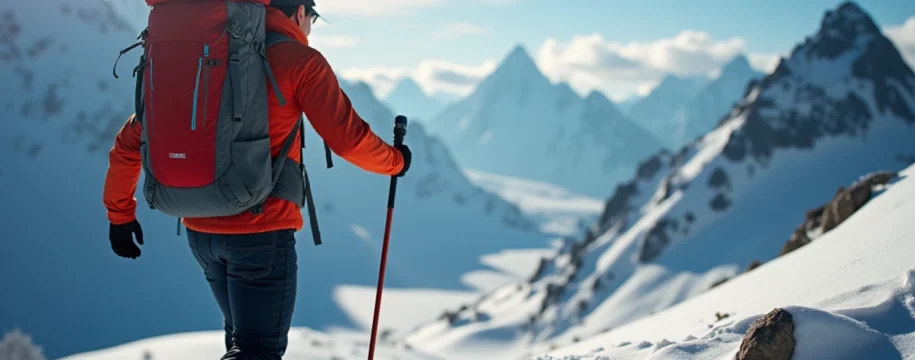
Selecting the perfect backpack for your adventure can make the difference between an unforgettable journey and a gruelling ordeal. Whether you’re planning a single-day mountain hike or embarking on a multi-week expedition, your backpack serves as both your mobile home and your lifeline to essential gear. The modern adventure market offers an overwhelming array of options, from ultralight minimalist designs weighing under 500 grams to heavy-duty expedition packs capable of carrying 80+ litres of equipment. Understanding the intricate relationship between capacity, suspension systems, materials, and specialised features will empower you to make an informed decision that enhances your outdoor experiences.
Backpack capacity and volume specifications for different adventure types
The foundation of backpack selection begins with understanding capacity requirements across different adventure categories. Volume specifications directly correlate with trip duration, seasonal conditions, and personal gear preferences. Modern backpack manufacturers employ sophisticated measurement systems to ensure accurate volume calculations, accounting for both internal capacity and external attachment points.
Day pack requirements: 20-35 litre configurations for Single-Day excursions
Day packs represent the most versatile category of adventure backpacks, designed for excursions lasting 4-12 hours. These packs typically feature streamlined profiles that maintain close-to-body positioning, reducing energy expenditure during dynamic movements. The 20-litre range suits minimalist hikers carrying only essential safety items, hydration, and nutrition. Mid-range 25-30 litre options accommodate additional layers, photography equipment, or emergency bivouac gear. Premium 35-litre day packs provide sufficient space for extended day adventures or situations requiring technical equipment such as climbing hardware or winter safety gear.
The optimal day pack balances weight distribution through compressed load profiles whilst maintaining accessibility to frequently used items. Modern designs incorporate multiple access points, allowing retrieval of hydration systems, navigation tools, and nutrition without complete pack removal. Strategic pocket placement ensures critical safety items remain within immediate reach during challenging conditions.
Multi-day trekking: 40-65 litre load distribution systems
Multi-day trekking represents the sweet spot for most adventure enthusiasts, requiring sophisticated load distribution systems to manage 2-7 days worth of equipment. The 40-litre range serves minimalist backpackers utilising ultralight gear systems and staying in mountain huts or established campsites. Mid-capacity 50-litre packs accommodate full camping systems including sleeping bags, insulation, and cooking equipment for 2-4 day adventures.
Large capacity 60-65 litre designs support extended expeditions requiring comprehensive gear systems. These packs incorporate advanced suspension technologies to manage loads exceeding 15-20 kilograms comfortably. Strategic compartmentalisation separates wet and dry items whilst maintaining balanced weight distribution throughout varying terrain conditions. Premium models feature adjustable volume systems, allowing compression for lighter loads or expansion for gear-intensive adventures.
Extended expedition packs: 70+ litre Heavy-Duty construction analysis
Expedition-grade backpacks exceeding 70 litres represent the pinnacle of load-carrying technology, designed for adventures lasting weeks or months in remote environments. These packs utilise reinforced construction techniques including double-stitched seams, bartacked stress points, and heavy-duty buckle systems rated for extreme loads. The 70-80 litre range accommodates comprehensive expedition gear including technical climbing equipment, extended food supplies, and specialized safety systems.
Ultra-large 85+ litre packs serve specific applications such as polar expeditions, technical mountaineering with portaledge systems, or extended wilderness photography projects. These designs prioritise durability over weight savings, incorporating military-grade materials and construction techniques. Advanced models feature modular attachment systems allowing external gear mounting without compromising internal organisation.
Ultralight minimalist approaches: sub-30 litre Weight-to-Volume ratios
Ultralight backpacking philosophy emphasises maximum efficiency through minimal weight penalties. Sub-30 litre packs weighing under 800 grams represent the extreme end of weight-conscious design. These packs sacrifice traditional comfort features for dramatic weight savings, appealing to experienced adventurers with refined gear systems. Frameless designs rely on packed contents for structural support, requiring careful load management and high-quality lightweight equipment.
Modern ultralight designs incorporate innovative materials such as Dyneema Composite Fabrics and advanced construction techniques to maintain durability despite minimal weight. Roll-top closures, minimalist strap systems, and strategic pocket placement optimise functionality within severe weight constraints. Successful ultralight backpacking requires extensive experience with gear selection and load management techniques.
Advanced suspension systems and Load-Bearing technologies
Contemporary backpack suspension systems represent decades of ergonomic research and materials engineering. These systems transform heavy loads into manageable burdens through sophisticated weight distribution mechanisms. Understanding suspension technologies enables informed selection based on individual body mechanics and intended applications.
Internal frame architecture: aluminium stay vs carbon fibre rod performance
Internal frame systems provide superior load transfer whilst maintaining compact profiles suitable for technical terrain. Traditional aluminium stay designs utilise precisely shaped stays following spinal curvature to distribute weight across the entire torso. These systems offer excellent durability and field repairability, making them ideal for extended expeditions. Aluminium stays can be carefully adjusted to match individual back curves, providing personalised load distribution.
Carbon fibre rod systems represent the cutting edge of internal frame technology, offering exceptional strength-to-weight ratios. These systems reduce frame weight by 30-40% compared to aluminium alternatives whilst maintaining comparable load transfer capabilities. Carbon fibre’s superior vibration damping characteristics reduce fatigue during extended carrying periods. However, carbon systems require more careful handling and lack field repairability of aluminium alternatives.
External frame mechanics: tubular steel load transfer principles
External frame backpacks excel in specific applications requiring maximum load capacity or superior ventilation. Tubular steel construction provides unmatched durability and load-carrying capability, supporting loads exceeding 40 kilograms comfortably. The elevated load position moves weight closer to the body’s natural centre of gravity, reducing forward lean and associated muscle strain.
Modern external frames incorporate adjustable torso lengths and sophisticated attachment systems accommodating various load configurations. These designs particularly excel for hunting applications, photography expeditions, or situations requiring frequent access to gear. The standoff design provides superior back ventilation, crucial for hot climate adventures or high-exertion activities.
Frameless designs: Closed-Cell foam panel integration techniques
Frameless backpack designs rely on integrated foam panels and packed contents for structural support. Closed-cell foam panels provide moderate structure whilst maintaining flexibility for varied load shapes. These systems excel for experienced users with consistent packing techniques and well-matched gear systems. Strategic panel placement transfers load to hip belts and shoulder systems without rigid frame elements.
Advanced frameless designs incorporate removable panels allowing customisation based on load requirements. Some systems feature inflatable panel options, providing adjustable structure levels. Frameless packs require more attention to packing techniques, as improper load distribution can create uncomfortable pressure points or compromise carrying comfort.
Anti-gravity suspension: osprey AG LightWire frame technology assessment
Osprey’s Anti-Gravity suspension technology revolutionised backpack comfort through innovative mesh panel systems. The LightWire frame utilises precisely tensioned peripheral frames surrounding continuous mesh panels. This design distributes load across the entire back surface whilst maintaining airflow for temperature regulation. The tensioned mesh automatically conforms to individual back shapes, providing personalised support without manual adjustments.
The Anti-Gravity system transforms traditional point-loading into distributed surface loading, dramatically reducing pressure hotspots and associated discomfort during extended carrying periods.
Advanced AG systems incorporate heat-moldable stays allowing permanent customisation to individual body shapes. The peripheral frame design maintains structural integrity under extreme loads whilst the mesh panel provides superior ventilation compared to traditional back panel designs.
Adjustable torso length systems: deuter aircontact pro fitting mechanisms
Deuter’s Aircontact Pro series exemplifies sophisticated adjustable torso systems accommodating varying body proportions. The VariQuick system allows precise back panel length adjustments without tools, ensuring optimal load transfer positioning. Proper torso length matching places hip belts at ideal locations whilst positioning shoulder straps for maximum efficiency.
The Aircontact system incorporates tensioned mesh panels between the frame and back, creating airflow channels for temperature management. Strategic padding placement provides comfort whilst maintaining structural integrity under heavy loads. The system’s modularity allows sharing between family members or adaptation to changing body dimensions.
Technical fabric construction and weather resistance standards
Modern adventure backpacks utilise sophisticated fabric technologies balancing durability, weather resistance, and weight considerations. Understanding fabric specifications enables informed selection based on environmental conditions and durability requirements. Contemporary fabrics incorporate advanced fibre technologies and coating systems optimised for outdoor applications.
Ripstop nylon specifications: denier weight classifications and tear resistance
Ripstop nylon represents the foundation of adventure backpack construction, offering exceptional tear resistance through integrated reinforcement grids. Denier measurements indicate fabric weight and thickness, directly correlating with durability and abrasion resistance. Standard 210-denier fabrics provide excellent durability for general adventures whilst maintaining reasonable weight penalties. Heavy-duty 420-denier materials excel in extreme environments requiring maximum abrasion resistance.
The ripstop construction technique incorporates heavier reinforcement threads at regular intervals, preventing tear propagation from punctures or cuts. Modern ripstop designs utilise ultra-high molecular weight polyethylene reinforcement threads offering superior strength-to-weight ratios. Advanced weaving techniques create multidirectional tear resistance whilst maintaining fabric flexibility for complex pack shapes.
Premium ripstop fabrics incorporate specialised treatments including anti-bacterial coatings, UV resistance, and enhanced water repellency. These treatments extend fabric lifespan whilst maintaining performance characteristics throughout extended use cycles. Some manufacturers utilise recycled nylon fibres without compromising performance characteristics, addressing environmental sustainability concerns.
DWR coating applications: Fluorine-Free water repellency technologies
Durable Water Repellent coatings provide essential weather protection without compromising fabric breathability. Traditional fluorinated DWR systems offered superior water repellency but raised environmental and health concerns. Contemporary fluorine-free alternatives utilise advanced chemistry achieving comparable performance without environmental persistence issues.
Modern PFC-free DWR systems incorporate bio-based chemistry derived from renewable resources. These coatings maintain water repellency through multiple wash cycles whilst allowing vapour transmission for internal moisture management. Application techniques ensure uniform coating distribution whilst maintaining fabric hand and flexibility characteristics.
Proper DWR maintenance through periodic reactivation treatments extends coating lifespan and maintains water repellency performance throughout the pack’s service life. Some systems incorporate self-renewing characteristics, gradually releasing active compounds to maintain surface effectiveness.
Dyneema composite fabrics: Ultra-High molecular weight polyethylene properties
Dyneema Composite Fabrics represent the pinnacle of strength-to-weight performance in outdoor materials. These laminates combine ultra-high molecular weight polyethylene fibres with polyester films, creating fabrics stronger than steel by weight. The unique construction technique eliminates traditional weaving, instead utilising unidirectional fibre placement for maximum strength efficiency.
DCF materials offer exceptional puncture and tear resistance whilst maintaining dramatic weight savings compared to traditional fabrics. The non-absorbent characteristics prevent water retention, maintaining consistent weight regardless of environmental conditions. Advanced DCF variants incorporate conductive fibres for static dissipation or specialised coatings for enhanced grip characteristics.
However, DCF materials require careful handling due to crease sensitivity and limited repair options. The premium pricing reflects sophisticated manufacturing processes and performance advantages. These materials excel in ultralight applications where weight savings justify the increased investment.
YKK zipper systems: AquaGuard vs vislon closure mechanisms
YKK zipper technology represents the industry standard for reliable closure systems in adventure applications. AquaGuard systems incorporate waterproof coatings directly onto zipper teeth, providing weather protection without separate flaps or covers. The polyurethane coating maintains flexibility throughout temperature extremes whilst preventing water ingress through the closure mechanism.
Vislon zipper systems utilise injection-molded teeth providing superior durability and smooth operation under adverse conditions. The larger tooth profile distributes stress across greater surface areas, reducing individual tooth loading during high-stress applications. Vislon systems accommodate heavier loads whilst maintaining reliable closure performance throughout extended service cycles.
| Zipper System | Primary Application | Weather Resistance | Durability Rating |
|---|---|---|---|
| AquaGuard Coil | Main compartments | Excellent | High |
| Vislon Moulded | High-stress areas | Good | Excellent |
| Metal Teeth | Security pockets | Limited | Maximum |
Specialised compartment design and accessibility features
Contemporary adventure backpacks incorporate sophisticated compartmentalisation systems optimising gear organisation and accessibility. Strategic pocket placement and specialised compartments enhance functionality whilst maintaining structural integrity. Understanding compartment design enables efficient packing strategies and improved field performance.
Primary access systems range from traditional top-loading designs to comprehensive panel-access configurations. Top-loading systems provide maximum volume utilisation and weather protection but limit accessibility to lower-packed items. Panel-access designs offer suitcase-style opening for complete gear visibility but may compromise weather resistance. Hybrid systems combine both approaches, providing optimal versatility for varying conditions.
Secondary access points include side pockets, hip belt pouches, and shoulder strap attachments. Strategic placement ensures frequently accessed items remain within reach without pack removal. Water bottle pockets utilise stretch materials accommodating various container sizes whilst maintaining secure retention during dynamic activities. Some designs incorporate magnetic closures for silent operation during wildlife observation or stealth camping situations.
Specialised compartments serve specific gear categories including sleeping bag compartments, hydration reservoirs, and electronics protection. Sleeping bag compartments utilise compression systems reducing overall pack volume whilst providing quick access for camp setup. Hydration systems integrate reservoir mounting, routing guides, and magnetic tube management for hands-free operation. Electronics compartments provide padding and weather protection for sensitive devices whilst maintaining accessibility for navigation and communication needs.
Advanced organisation systems incorporate removable dividers, adjustable compression panels, and modular attachment points. These systems adapt to varying gear loads whilst maintaining optimal weight distribution. Some designs feature colour-coded interior fabrics improving visibility during low-light conditions. Premium models incorporate RFID-blocking pockets protecting electronic credentials and payment systems from unauthorised scanning.
Brand-specific performance analysis across adventure categories
The adventure backpack market features numerous manufacturers specialising in different performance categories and price points. Established brands leverage decades of user feedback and technological development to create specialised product lines. Understanding brand strengths enables targeted selection based on specific adventure requirements and personal preferences.
Osprey leads innovation in suspension technology through their Anti-Gravity systems and comprehensive size ranges. Their product lines span day packs through expedition models with consistent attention to ergonomic design and user comfort. The brand’s lifetime guarantee demonstrates confidence in construction quality and long-term durability. Osprey’s women-specific designs incorporate anatomical research ensuring optimal fit across diverse body types.
Deuter brings European engineering precision to backpack design, emphasising modularity and adjustability. Their Aircontact systems provide exceptional ventilation and comfort during high-output activities. The brand’s alpine heritage influences design details optimised for technical mountain environments. Deuter’s manufacturing quality control ensures consistent performance across production runs.
Gregory’s focus on fit customisation allows precise adjustment to individual body mechanics, reducing fatigue and improving performance during extended adventures.
Arc’teryx represents premium performance through advanced materials and construction techniques. Their limited product range focuses on specific applications with uncompromising quality standards. The brand’s mountain heritage influences every design decision, prioritising performance over cost considerations. Arc’teryx products command premium pricing but deliver exceptional longevity and performance.
Patagonia balances environmental responsibility with adventure performance through sustainable materials and ethical manufacturing. Their Black Hole series utilises recycled fabrics without performance compromises. The brand’s repair and reuse philosophy extends product lifecycles whilst reducing environmental
impact. Regular maintenance programs ensure gear longevity whilst supporting local economies through repair services rather than replacement purchases.
REI Co-op provides accessible adventure backpacks through member-focused pricing and comprehensive warranty support. Their product development incorporates extensive member feedback ensuring practical design solutions. The brand’s rental programs allow customers to test equipment before purchase, reducing selection errors. REI’s commitment to outdoor education supports informed purchasing decisions through detailed product information and expert staff guidance.
Mystery Ranch brings military-derived engineering to civilian adventure applications. Their three-zip design provides unmatched access to packed contents whilst maintaining structural integrity. The brand’s Montana manufacturing ensures quality control and supports domestic production. Mystery Ranch’s focus on load-carrying excellence makes their products ideal for heavy-duty expedition applications.
Load distribution techniques and ergonomic fitting protocols
Proper load distribution represents the critical interface between backpack technology and human biomechanics. Understanding ergonomic principles enables optimal pack adjustment regardless of manufacturer or design philosophy. Scientific research demonstrates that improper fitting contributes to 60% of backpacking-related injuries, making proper fitting techniques essential for safe adventure participation.
The foundation of ergonomic fitting begins with accurate torso measurement from the seventh cervical vertebra to the iliac crest. This measurement determines proper shoulder strap positioning and hip belt placement. The hip belt should rest on the hip bones rather than the waist, transferring 70-80% of the pack weight to the legs’ stronger muscle groups. Proper hip belt positioning prevents the common error of carrying weight on the shoulders, which leads to rapid fatigue and potential injury.
Shoulder strap adjustment creates the secondary load path, providing pack stability rather than primary weight support. The straps should follow natural shoulder contours without creating pressure points or restricting circulation. Load lifter straps, positioned above the shoulders, pull the pack’s upper portion closer to the body, maintaining balance during dynamic movement. These straps require fine adjustment as load weights and pack contents change throughout the adventure.
Professional fitting protocols recommend starting with the hip belt, progressing to shoulder straps, then fine-tuning load lifters and stabilisation straps for optimal weight distribution and comfort.
Sternum straps provide additional stability whilst preventing shoulder strap migration during lateral movement. The optimal position falls one inch below the collarbone, allowing natural breathing patterns whilst maintaining pack control. Modern sternum straps incorporate emergency whistle integration and adjustable positioning systems accommodating varying torso proportions and clothing layers.
Dynamic load management techniques adapt to changing terrain and activity levels throughout the adventure. Heavy items positioned close to the back and centred between the shoulder blades provide optimal balance for technical terrain. Trail hiking benefits from slightly higher weight positioning, reducing forward lean during sustained walking. Climbing applications require lower centre of gravity placement, improving balance during technical movements.
Advanced fitting techniques incorporate seasonal clothing considerations and activity-specific requirements. Winter adventures require accommodation for insulation layers, potentially necessitating larger torso settings and strap adjustments. Technical climbing or skiing applications demand precise load positioning ensuring equipment accessibility whilst maintaining movement freedom. Multi-activity adventures may require pack reconfiguration between activity phases, making modular systems particularly valuable.
Load testing protocols verify proper adjustment through systematic weight progression and movement assessment. Beginning with essential items, gradually add equipment whilst monitoring pressure points and balance characteristics. The properly fitted pack should feel stable during normal walking, side-to-side movement, and forward bending without shifting or creating discomfort. Professional outfitters recommend load testing with 80% of intended pack weight to ensure comfort margins during actual use.
Maintenance of proper fit requires periodic reassessment as body conditioning changes and equipment evolves. Weight loss or muscle development may necessitate fitting adjustments throughout extended adventures. Equipment upgrades or seasonal gear changes affect pack loading patterns, potentially requiring suspension system modifications. Regular fit assessment ensures continued comfort and prevents the gradual development of pressure points or instability issues.
| Body Measurement | Adjustment Focus | Performance Impact | Common Errors |
|---|---|---|---|
| Torso Length | Back panel height | Load transfer efficiency | Incorrect measurement technique |
| Hip circumference | Belt size and padding | Weight distribution comfort | Wearing on waist vs hips |
| Shoulder width | Strap spacing angle | Stability and circulation | Over-tightening straps |
| Chest depth | Load lifter tension | Balance and posture | Ignoring load lifter adjustment |