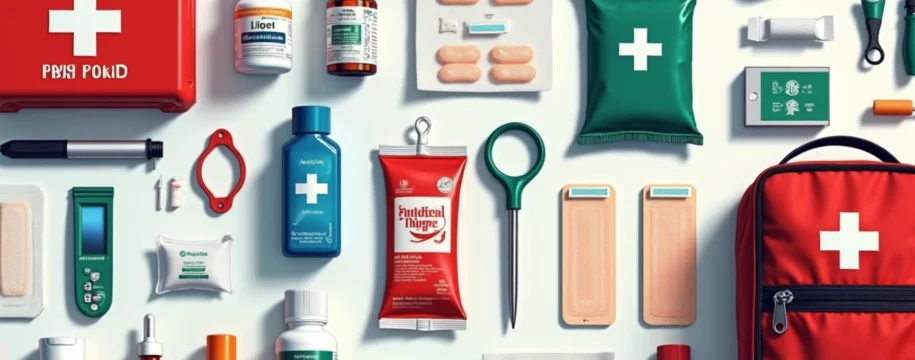
Medical emergencies rarely announce their arrival, and when you’re travelling—whether across continents or simply exploring your own country—being properly prepared can make the difference between a minor inconvenience and a serious health crisis. A well-stocked first aid kit serves as your frontline defence against injuries, sudden illnesses, and unexpected medical situations that could otherwise derail your entire journey.
The importance of travel medical preparedness extends far beyond simple cuts and bruises. From altitude sickness in the mountains to traveller’s diarrhoea in tropical climates, from severe allergic reactions to heat exhaustion, the range of potential health challenges varies dramatically depending on your destination and activities. Professional travel medicine specialists consistently emphasise that prevention and preparation are your most powerful tools for maintaining health whilst abroad.
What distinguishes an effective travel first aid kit from a basic home medicine cabinet is its carefully curated selection of versatile, compact, and destination-appropriate supplies. Every item must justify its place through multiple potential uses, proven effectiveness, and suitability for the specific health risks you’re likely to encounter. This strategic approach ensures you’re prepared for genuine emergencies without carrying unnecessary weight or bulk.
Essential wound care and trauma management supplies
Wound management represents the cornerstone of any effective first aid response, particularly for travellers engaging in outdoor activities or exploring unfamiliar environments. The ability to properly clean, dress, and protect injuries prevents minor incidents from developing into serious infections or complications that could require emergency medical evacuation.
Sterile gauze pads and medical tape for haemorrhage control
Sterile gauze pads in multiple sizes form the foundation of effective wound management. Healthcare professionals recommend carrying at least ten gauze pads ranging from 2×2 inches for small cuts to 4×4 inches for larger wounds. These sterile dressings provide essential absorbency whilst maintaining the clean environment necessary for proper healing. Unlike cotton wool or tissues, medical-grade gauze won’t leave fibres in wounds, reducing infection risk significantly.
High-quality medical tape serves dual purposes: securing dressings and creating pressure bandages for bleeding control. Microporous tape offers excellent adhesion whilst allowing skin to breathe, making it ideal for tropical climates where moisture and humidity can compromise traditional adhesives. Consider packing both narrow (1/2 inch) and wide (1 inch) varieties to accommodate different wound sizes and locations.
Antiseptic wipes and Povidone-Iodine solution applications
Proper wound cleaning represents the most critical step in preventing infection, particularly in environments where bacterial contamination poses heightened risks. Individual antiseptic wipes offer convenient, sterile cleaning for minor cuts and abrasions, whilst concentrated povidone-iodine solutions provide powerful antimicrobial action for more serious wounds. Travel medicine experts particularly recommend povidone-iodine for its broad-spectrum effectiveness against bacteria, viruses, and fungi.
The advantage of individual antiseptic wipes lies in their portability and sterile packaging, making them perfect for day excursions or activities where carrying larger containers isn’t practical. However, concentrated solutions offer better value for longer trips and provide more thorough cleaning for extensive wounds. Many experienced travellers carry both options to ensure comprehensive wound care capabilities regardless of circumstances.
Emergency bandages and israeli trauma dressings
Israeli trauma dressings, originally developed for military use, represent the gold standard for emergency bleeding control. These innovative bandages combine sterile gauze padding with integrated pressure mechanisms and securing straps, allowing single-handed application even for serious injuries. Their compact design and proven effectiveness make them invaluable for adventure travellers or those visiting remote areas where professional medical care may be hours away.
Traditional emergency bandages, whilst less sophisticated than Israeli dressings, still provide essential capabilities for managing moderate bleeding. Professional emergency responders emphasise the importance of understanding proper application techniques before departure, as incorrect usage can actually worsen bleeding or compromise circulation. Practice sessions at home ensure confidence and competence when genuine emergencies arise.
Butterfly closures and Steri-Strips for laceration management
Butterfly closures and steri-strips offer alternatives to sutures for managing clean, straight lacerations that might otherwise require professional medical attention. These adhesive strips work by holding wound edges together, promoting natural healing whilst reducing scarring. For travellers, they represent a crucial bridge between basic wound care and the need for emergency medical services, particularly valuable in remote locations or developing countries where medical facilities may be limited.
Proper application requires clean, dry skin and precise positioning to ensure wound edges align correctly. Medical professionals recommend cleaning wounds thoroughly with antiseptic before application and avoiding use on infected, jagged, or heavily bleeding wounds. The ability to effectively close minor lacerations can prevent serious complications and allow continued travel plans with minimal disruption.
Elastic compression bandages for sprain stabilisation
Sprains and strains occur frequently during travel, particularly when carrying heavy luggage, navigating unfamiliar terrain, or participating in physical activities. Elastic compression bandages provide essential support for injured joints whilst reducing swelling and pain. The RICE protocol (Rest, Ice, Compression, Elevation) remains the standard treatment for acute sprains, with proper compression playing a crucial role in limiting tissue damage and promoting recovery.
Quality compression bandages should provide consistent pressure without cutting off circulation. Look for bandages with clear application guidelines and indicators showing proper tension levels. Sports medicine specialists recommend practising application techniques on uninjured joints to develop muscle memory for emergency situations. Proper technique ensures therapeutic benefit whilst avoiding the complications that can arise from over-tight or incorrectly applied compression.
Pharmaceutical essentials and pain management medications
Medication selection for travel first aid kits requires careful consideration of multiple factors including destination-specific health risks, individual medical history, duration of travel, and local availability of pharmaceuticals. The goal is creating a comprehensive yet compact pharmacy that addresses the most common travel-related health issues whilst complementing rather than replacing professional medical care when needed.
Ibuprofen and paracetamol dosage protocols for travel
Ibuprofen and paracetamol form the backbone of travel pain management, offering different mechanisms of action that can be used independently or in combination for enhanced effectiveness. Ibuprofen provides superior anti-inflammatory action, making it particularly valuable for sprains, muscle strains, and inflammatory conditions, whilst paracetamol offers excellent fever reduction with fewer gastrointestinal side effects.
Proper dosing protocols become crucial during extended travel when medical supervision isn’t readily available. Clinical pharmacists recommend carrying written dosage guidelines including maximum daily limits, timing intervals, and contraindications. For adults, ibuprofen dosing typically ranges from 200-400mg every 6-8 hours, not exceeding 1200mg daily without medical supervision, whilst paracetamol can be taken 500-1000mg every 4-6 hours up to 4000mg daily maximum.
Consider the advantages of combination packs that include both medications, allowing flexible dosing strategies. Some travellers benefit from alternating medications every 3-4 hours for sustained pain relief, particularly useful for conditions like severe headaches or dental pain that might occur in locations where immediate professional care isn’t available. Always verify that medications won’t interact with existing prescriptions or medical conditions.
Antihistamines for allergic reactions and anaphylaxis prevention
Allergic reactions can range from mild skin irritation to life-threatening anaphylaxis, making antihistamines essential components of any travel first aid kit. Allergy specialists emphasise the importance of carrying both fast-acting and long-duration antihistamines to address different types of allergic responses. Cetirizine or loratadine provide 24-hour relief for ongoing allergies, whilst chlorpheniramine offers rapid onset for acute reactions.
Travel exposes individuals to numerous new allergens including unfamiliar foods, plants, insects, and environmental triggers. Even travellers without known allergies can develop reactions to novel exposures. For those with documented severe allergies, carrying prescribed epinephrine auto-injectors becomes absolutely critical, though proper storage in varying climates requires careful consideration of temperature-sensitive medications.
Antihistamine selection should consider both the traveller’s specific allergy profile and the sedating properties of different medications, as drowsiness can significantly impact travel safety and enjoyment.
Oral rehydration salts and electrolyte replacement therapy
Dehydration represents one of the most common yet preventable travel health issues, arising from various causes including climate adaptation, traveller’s diarrhoea, altitude changes, and increased physical activity. Oral rehydration salts (ORS) provide scientifically formulated electrolyte replacement that surpasses sports drinks or home remedies in both effectiveness and safety for treating dehydration.
World Health Organisation-formulated ORS packets offer the optimal balance of sodium, potassium, and glucose for rapid rehydration. These lightweight packets dissolve easily in water and can be life-saving in cases of severe diarrhoea or heat exhaustion. Travel medicine physicians recommend carrying at least 6-8 packets for week-long trips, with additional supplies for longer journeys or high-risk destinations.
Understanding proper preparation and administration ensures maximum effectiveness. Each packet should be dissolved in the specified amount of clean water—typically 200-250ml—and consumed within 24 hours of preparation. For travellers in areas with questionable water quality, using bottled or properly purified water for ORS preparation becomes essential to avoid introducing additional pathogens whilst treating existing illness.
Broad-spectrum antibiotics and topical antimicrobials
Antibiotic inclusion in travel first aid kits remains controversial, requiring careful consideration of destination risks, trip duration, and access to medical care. Travel medicine specialists generally recommend prescription antibiotics only for remote travel where professional medical care may be unavailable for extended periods. Traveller’s diarrhoea antibiotics like azithromycin or ciprofloxacin may be appropriate for certain high-risk destinations or travellers with compromised immune systems.
Topical antimicrobials offer safer alternatives for preventing wound infections without the systemic risks associated with oral antibiotics. Triple antibiotic ointments containing bacitracin, neomycin, and polymyxin provide broad-spectrum protection for cuts, scrapes, and minor burns. These preparations significantly reduce infection rates whilst avoiding the complications of oral antibiotic therapy.
Proper antibiotic storage becomes critical in varying climates, as temperature extremes can reduce effectiveness or create dangerous degradation products. Consider insulated containers for medications during extreme weather conditions, and always verify expiration dates before departure. Inappropriate antibiotic use contributes to resistance development, making professional consultation essential before including these medications in travel kits.
Diagnostic tools and emergency assessment equipment
Accurate assessment capabilities transform first aid from guesswork into informed decision-making, enabling appropriate responses to medical situations whilst identifying when professional care becomes necessary. Diagnostic tools for travel must balance functionality with portability, providing essential information without requiring extensive training or interpretation skills.
Digital thermometer with celsius and fahrenheit readings
Fever detection plays a crucial role in assessing illness severity and determining appropriate treatment responses. Digital thermometers offer accuracy, speed, and ease of use that makes them superior to traditional glass thermometers for travel applications. Emergency medicine physicians emphasise the importance of establishing fever baselines, as normal body temperature varies between individuals and can be affected by climate, activity level, and time of day.
Modern digital thermometers provide readings in both Celsius and Fahrenheit, essential for international travel where different measurement systems predominate. Forehead or ear thermometers offer convenience for checking others’ temperatures, whilst oral thermometers provide the most accurate readings for personal use. Battery-powered models with automatic shut-off conserve power whilst providing consistent performance across varying environmental conditions.
Consider thermometers with fever alarms that indicate when temperatures exceed normal ranges, particularly useful for travellers unfamiliar with fever assessment. Some advanced models store previous readings, allowing temperature trend monitoring that can guide decisions about seeking medical care or modifying treatment approaches. Proper calibration and battery backup ensure reliability when accuracy matters most.
Disposable gloves and personal protective equipment standards
Universal precautions apply to all first aid situations, making disposable gloves essential for protecting both caregivers and patients from disease transmission. Infection control specialists recommend nitrile gloves over latex alternatives due to superior puncture resistance, reduced allergy risk, and better performance in extreme temperatures. Pack multiple sizes to ensure proper fit for different users who might need to provide assistance.
Quality gloves should meet medical-grade standards for barrier protection whilst maintaining tactile sensitivity for precise procedures. Powder-free options reduce contamination risks and allergic reactions, whilst textured surfaces improve grip for procedures involving wet or slippery conditions. Consider packing extra pairs beyond immediate needs, as gloves may tear during use or be shared with others requiring medical assistance.
Proper glove usage includes avoiding touching non-sterile surfaces after donning and correct removal techniques that prevent contamination of hands or clothing.
Emergency contact cards with international emergency numbers
Emergency contact information becomes critical when medical situations overwhelm individual capabilities or when local emergency services require notification. Waterproof cards containing essential phone numbers, medical conditions, medications, and emergency contacts should be carried separately from other documents to ensure availability during crisis situations. Emergency response coordinators recommend including both local emergency numbers for each destination and international numbers for embassies or travel assistance services.
Information should include blood type, known allergies, chronic medical conditions, current medications, and emergency contact details for family members and healthcare providers at home. Consider including travel insurance policy numbers and 24-hour assistance phone lines that can provide multilingual support and coordinate care across international boundaries. Laminated cards resist water damage whilst remaining readable under stress conditions.
Digital backup copies stored on smartphones provide redundancy, though physical cards remain accessible when batteries die or devices are damaged. Include basic medical phrases in local languages for destinations where English isn’t widely spoken. This preparation enables communication of critical medical information even when language barriers complicate emergency responses.
Tweezers and magnifying glass for foreign body removal
Foreign body removal capabilities enable management of common injuries like splinters, thorns, or embedded debris that can cause pain and infection if left untreated. High-quality tweezers with precision tips provide the control necessary for safe extraction whilst minimising tissue damage. Surgical specialists recommend angled tweezers for versatility in accessing foreign bodies from different angles and depths.
Magnifying glasses or illuminated magnifiers enhance visibility for precise foreign body identification and removal, particularly important when working with small objects or in poor lighting conditions. LED-illuminated models provide consistent lighting whilst maintaining compact size appropriate for travel applications. Consider models with adjustable magnification levels to accommodate different types of foreign body removal tasks.
Proper technique includes thorough cleaning of both tweezers and the affected area before attempting removal, using steady traction rather than squeezing motions that might drive objects deeper, and post-removal wound care to prevent infection. Know the limitations of self-treatment—deeply embedded objects, glass fragments near vital structures, or signs of infection require professional medical attention rather than field treatment attempts.
Climate-specific medical supplies for diverse destinations
Different climates and geographical regions present unique health challenges that require targeted medical preparations beyond standard first aid supplies. Travel health specialists emphasise the importance of customising medical kits based on specific environmental risks including altitude, humidity, temperature extremes, and endemic diseases. This strategic approach ensures you’re prepared for location-specific health threats whilst avoiding unnecessary supplies that add weight without providing relevant protection.
Tropical destinations require enhanced focus on heat-related illness prevention and insect-borne disease protection. High-SPF sunscreen becomes essential medical equipment rather than simple comfort items, as severe sunburn can cause systemic illness requiring medical treatment. Water purification tablets or portable filtration systems address contaminated water supplies that can cause severe gastrointestinal illness. Insect repellents containing DEET or picaridin provide crucial protection against mosquito-borne diseases like malaria, dengue fever, and Zika virus.
Cold climate preparations centre on frostbite prevention and hypothermia recognition. Instant heat packs provide emergency warming for exposed extremities, whilst reflective emergency blankets offer crucial insulation during unexpected exposure situations. Moisturisers and lip balms prevent dangerous skin cracking that can become infected in harsh conditions. Wilderness medicine experts recommend including thermometers capable of reading low body temperatures for hypothermia assessment.
High-altitude
destinations demand specific preparations including acetazolamide for altitude sickness prevention, which should be started 1-2 days before ascent and continued during exposure to elevations above 2,500 metres. Enhanced UV protection becomes critical at altitude where thinner atmosphere provides less natural filtration, requiring sunglasses with UV400 protection and high-SPF sunscreen applied frequently throughout the day.
Desert environments combine extreme temperature variations with intense solar exposure and limited water availability. Desert medicine practitioners recommend electrolyte replacement solutions specifically formulated for hot climate exertion, as standard sports drinks may lack adequate sodium concentrations for severe sweating conditions. Cooling towels or instant cold packs provide emergency temperature reduction for heat exhaustion cases, whilst zinc oxide provides superior sun protection for extended desert exposure compared to standard sunscreens.
Urban travel in developing countries requires focus on air pollution protection and foodborne illness prevention. High-quality face masks protect against particulate matter and airborne pathogens in heavily polluted cities, whilst probiotics can help maintain digestive health when consuming unfamiliar foods. Water sterilisation tablets become essential even in urban areas where tap water quality may be questionable, providing insurance against traveller’s diarrhoea that could significantly disrupt travel plans.
Chronic condition management and prescription medication storage
Travellers with chronic medical conditions face unique challenges in maintaining health whilst away from familiar healthcare systems and routine medical support. Travel medicine specialists emphasise that successful travel with chronic conditions requires meticulous planning, appropriate medication supplies, and comprehensive documentation to ensure continuity of care regardless of destination or circumstances.
Medication storage demands particular attention to environmental factors that can compromise drug effectiveness or safety. Temperature-sensitive medications like insulin require insulated storage systems capable of maintaining appropriate temperatures across varying climates. Consider portable medication refrigerators for extended trips or destinations with extreme temperatures, ensuring backup power sources for electronic cooling systems. Many medications lose potency when exposed to heat, humidity, or extreme cold, making proper storage protocols essential for maintaining therapeutic effectiveness.
Documentation requirements extend beyond simple prescription labels to include comprehensive medical summaries, specialist contact information, and detailed medication lists with generic names for international recognition. Clinical pharmacists recommend carrying letters from prescribing physicians explaining medical necessity, particularly for controlled substances or unusual medications that might raise questions at customs or security checkpoints. These documents should include diagnosis codes, treatment rationales, and emergency contact information for the prescribing healthcare provider.
Supply calculations must account for trip duration, potential delays, and limited availability of specific medications in destination countries. Pack at least 50% more medication than the calculated trip requirement, distributing supplies between carry-on and checked luggage to prevent total loss if baggage is delayed or lost. Research medication availability at your destination beforehand, identifying local equivalents and pharmacy locations that can provide emergency refills if needed.
International medication regulations vary significantly between countries, making advance research and proper documentation essential for avoiding legal complications or medication confiscation.
Time zone management for scheduled medications requires careful planning to maintain therapeutic blood levels whilst adapting to new schedules. Gradual adjustment strategies work best for most medications, shifting dosing times by 1-2 hours daily until aligned with destination time zones. For critical medications like anticoagulants or diabetes medications, consult healthcare providers before departure to develop specific adjustment protocols that maintain safety whilst accommodating travel requirements.
Advanced first aid techniques and emergency response protocols
Advanced first aid capabilities bridge the gap between basic wound care and professional medical intervention, enabling travellers to manage serious emergencies when immediate professional care isn’t available. Emergency medicine specialists emphasise that these techniques require proper training and regular practice to maintain competency, as incorrect application of advanced interventions can worsen injuries or create new complications.
Airway management represents the most critical advanced skill, as airway obstruction can cause death within minutes. The Heimlich manoeuvre for conscious choking victims and head-tilt chin-lift positioning for unconscious patients form essential techniques that every traveller should master. Pocket masks or face shields enable safe rescue breathing whilst protecting against disease transmission, particularly important when providing assistance to unknown individuals during travel emergencies.
Bleeding control advances beyond basic pressure and elevation to include pressure point techniques and tourniquet application for severe haemorrhage. Modern tourniquet designs enable single-handed application and provide mechanical advantage for achieving arterial occlusion when direct pressure fails. However, tactical medicine instructors stress that tourniquets should only be applied for life-threatening extremity bleeding, as improper use can cause permanent tissue damage or limb loss.
Shock recognition and management protocols focus on maintaining circulation and preventing cardiovascular collapse while arranging emergency evacuation. Positioning patients with legs elevated, maintaining body temperature, and providing reassurance help maintain circulation whilst preparing for transport. Understanding the signs of compensated versus decompensated shock enables appropriate urgency assessment and treatment prioritisation during multi-casualty situations.
Spinal injury considerations become crucial for travellers engaged in adventure activities or those experiencing motor vehicle accidents in foreign countries. Cervical spine immobilisation techniques using improvised materials can prevent paralysis during patient movement, though modern protocols emphasise selective spinal immobilisation based on specific criteria rather than universal precautions for all trauma patients.
Emergency communication protocols ensure that advanced first aid efforts coordinate effectively with professional rescue services and medical facilities. Satellite communication devices enable emergency contact from remote locations where cellular coverage doesn’t exist, whilst GPS coordinates provide precise location information for rescue teams. Search and rescue coordinators recommend programming emergency contacts before departure and testing communication devices in similar conditions to expected use environments.
Documentation of emergency care provided becomes essential for continuity of treatment and legal protection. Recording vital signs, treatments administered, patient responses, and timeline information helps receiving medical facilities understand what interventions have already occurred. This documentation also protects good Samaritans from legal complications whilst ensuring optimal patient care transitions.
Advanced first aid training should be refreshed annually and adapted to specific travel activities and destinations, ensuring skills remain current and relevant to likely emergency scenarios.
The psychological aspects of emergency response require consideration alongside technical skills, as travel emergencies often occur in stressful, unfamiliar environments that can impair judgment and performance. Stress inoculation training helps maintain competency under pressure, whilst clear action protocols reduce decision-making burden during high-stress situations. Understanding personal limitations and when to seek additional help prevents over-extension that could worsen emergency situations.
Equipment redundancy ensures that critical capabilities remain available even when primary supplies are lost, damaged, or depleted during extended emergencies. Backup supplies distributed among travel companions or stored in separate locations provide insurance against total capability loss. Consider the weight and space limitations of travel whilst ensuring adequate backup capabilities for life-threatening emergency scenarios.