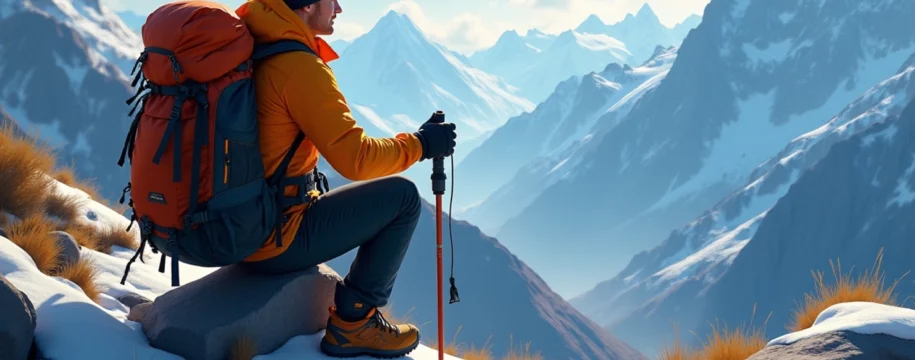
Traversing the diverse landscapes of our planet demands more than just determination and wanderlust. From the windswept peaks of Patagonia to the humid rainforests of Southeast Asia, each environment presents unique challenges that require carefully selected gear to ensure both safety and comfort. The difference between a successful adventure and a potentially dangerous situation often lies in the equipment choices made months before setting foot on the trail.
Modern hiking gear has evolved dramatically over the past decade, with advanced materials and innovative designs revolutionising how adventurers approach multi-day expeditions. Understanding which equipment performs best in specific conditions can transform your hiking experience, allowing you to focus on the journey rather than battling inadequate gear. The investment in quality equipment pays dividends when you’re facing unexpected weather changes at altitude or navigating technical terrain thousands of miles from civilisation.
Essential base layers and Moisture-Wicking systems for global climate adaptation
The foundation of any effective hiking wardrobe begins with base layers that regulate body temperature whilst managing moisture accumulation. Advanced fabric technologies have transformed these fundamental garments from simple cotton undergarments into sophisticated climate control systems. Modern base layers utilise synthetic fibres and natural materials engineered to transport moisture away from skin whilst providing thermal regulation across varying activity levels and environmental conditions.
Temperature regulation becomes critically important when hiking across multiple climate zones or experiencing dramatic elevation changes. A quality base layer system allows hikers to maintain optimal body temperature through active moisture management, preventing the dangerous cooling effect that occurs when perspiration accumulates against skin. This cooling effect can lead to hypothermia in cold conditions or excessive heat retention in tropical environments.
Merino wool foundations for temperature regulation in patagonian conditions
Merino wool represents the gold standard for base layer materials, particularly in environments characterised by dramatic temperature fluctuations and high wind exposure. The natural crimped structure of merino fibres creates millions of tiny air pockets that provide excellent insulation whilst allowing moisture to escape through capillary action. This unique structure enables merino wool base layers to maintain thermal properties even when damp, a crucial advantage in unpredictable mountain weather.
The antimicrobial properties inherent in merino wool significantly extend wearing periods between washes, making these garments ideal for extended expeditions where laundry facilities are unavailable. Research indicates that quality merino wool base layers can be worn for 7-10 days without developing significant odour, compared to 2-3 days for synthetic alternatives. This extended wear capability reduces pack weight whilst maintaining hygiene standards during multi-week adventures.
Synthetic fabric technologies: polartec and coolmax performance analysis
Synthetic base layer technologies offer distinct advantages in high-moisture environments and during intense physical exertion. Polartec Power Dry fabrics utilise a bi-component knit construction that places hydrophobic fibres against the skin whilst hydrophilic fibres on the exterior surface actively transport moisture away from the body. This construction method creates a moisture gradient that accelerates evaporation rates by up to 50% compared to traditional fabric structures.
Coolmax fibres feature a unique four-channel cross-section that increases surface area by 20%, enhancing moisture transport capacity whilst providing superior next-to-skin comfort. These synthetic fabrics excel in humid conditions where natural fibres may become saturated, maintaining their moisture-wicking properties even at 100% relative humidity. The durability of synthetic base layers also surpasses natural alternatives, with quality garments maintaining performance characteristics through 200+ wash cycles.
Layering strategies for himalayan High-Altitude expeditions
High-altitude mountaineering demands sophisticated layering systems capable of adapting to extreme temperature variations and changing weather patterns. The principle of layering allows hikers to fine-tune their thermal regulation by adding or removing garments as conditions change. A comprehensive three-layer system consists of moisture-wicking base layers, insulating mid-layers, and protective outer shells that work synergistically to maintain optimal body temperature.
Base layer selection for high-altitude expeditions requires careful consideration of both thermal properties and moisture management capabilities. Lightweight merino wool or synthetic blends provide excellent moisture transport whilst offering sufficient thermal protection during rest periods. The key lies in selecting fabrics that maintain insulating properties at varying moisture levels, as condensation from breathing and exertion can compromise thermal performance at extreme altitudes.
Quick-dry underwear systems for tropical rainforest trekking
Tropical hiking environments present unique challenges related to constant moisture exposure and limited drying opportunities. Quick-dry underwear systems become essential for preventing chafing, bacterial growth, and skin irritation during extended periods in high-humidity conditions. Modern tropical hiking underwear utilises antimicrobial treatments and rapid-drying synthetic fabrics designed specifically for high-moisture environments.
Seamless construction techniques eliminate pressure points that can cause chafing during long hiking days, whilst flat-seam technology reduces bulk under hiking trousers. Advanced synthetic blends incorporating silver ion treatments provide long-lasting antimicrobial protection, preventing bacterial growth that can lead to infections in tropical conditions. These specialised garments typically dry 60-80% faster than traditional cotton alternatives, enabling overnight drying even in humid environments.
Advanced footwear selection for diverse terrain navigation
Footwear selection represents one of the most critical decisions in hiking gear preparation, as improper choices can result in injury, discomfort, or expedition failure. Modern hiking footwear technologies have advanced significantly, offering specialised solutions for various terrain types, climate conditions, and hiking styles. Understanding the relationship between sole design, upper materials, and intended use ensures optimal performance across diverse environments.
The evolution of hiking footwear has moved beyond traditional heavy leather boots towards lighter, more technical designs that provide superior performance whilst reducing fatigue. Contemporary hiking shoes utilise advanced materials such as synthetic leather alternatives, breathable membranes, and lightweight midsole technologies that deliver protection and comfort without excessive weight. This technological advancement has enabled hikers to tackle challenging terrain with greater confidence and reduced energy expenditure.
Vibram sole technologies for rocky alpine environments
Vibram sole technology represents the pinnacle of traction engineering for technical mountain terrain. The company’s Megagrip compound provides exceptional grip on both wet and dry surfaces through a unique rubber formulation that maintains flexibility across temperature ranges whilst offering superior durability. This advanced compound performs particularly well on granite surfaces common in alpine environments, providing confidence-inspiring traction on steep rock faces and loose scree fields.
The anatomical design of Vibram soles incorporates strategic lug placement and depth variations optimised for different terrain types. Deep, widely-spaced lugs excel in muddy conditions by preventing clog accumulation, whilst closely-spaced smaller lugs provide superior traction on hard-packed surfaces. This sole technology has been tested extensively by professional mountain guides and has become the preferred choice for technical alpine footwear manufacturers worldwide.
Waterproof membrane comparison: Gore-Tex vs event performance
Waterproof membrane technology plays a crucial role in footwear performance, particularly in wet or snowy conditions. Gore-Tex membranes utilise expanded polytetrafluoroethylene (ePTFE) technology with microscopic pores that prevent water penetration whilst allowing water vapour to escape. This proven technology provides reliable waterproof protection whilst maintaining breathability levels sufficient for moderate to high activity levels.
eVent membrane technology employs Direct Venting construction that eliminates the internal fabric layers found in traditional waterproof-breathable systems. This construction method allows immediate moisture vapour transmission without requiring a humidity gradient, resulting in superior breathability during intense physical activity. Independent testing demonstrates that eVent membranes provide 30-40% better breathability than comparable Gore-Tex constructions whilst maintaining equivalent waterproof protection.
Crampon-compatible mountaineering boots for denali ascents
Mountaineering boots designed for technical climbing applications incorporate specialised features that differentiate them from standard hiking footwear. Crampon compatibility requires precise heel and toe welts that provide secure attachment points for technical crampons, whilst maintaining structural integrity under extreme loading conditions. These boots typically feature rigid or semi-rigid sole construction that provides necessary support for crampon use whilst enabling precise footwork on technical terrain.
Insulation systems in technical mountaineering boots utilise advanced synthetic materials that maintain thermal properties in wet conditions whilst providing sufficient warmth for extended exposure to sub-zero temperatures. Many models incorporate removable liner systems that enable customisation of thermal properties and facilitate drying between climbing days. The combination of technical features and thermal protection makes these boots essential for serious alpine climbing objectives.
Lightweight trail runners for Multi-Day camino de santiago routes
The trend towards ultralight hiking has popularised trail running shoes for long-distance hiking applications, particularly on well-maintained paths where ankle support is less critical. Modern trail runners offer significant weight savings compared to traditional hiking boots, typically reducing footwear weight by 30-50% whilst providing adequate protection for moderate terrain. This weight reduction translates to decreased energy expenditure and reduced fatigue during long hiking days.
Cushioning technologies in trail runners have advanced considerably, with many models incorporating responsive midsole foams that provide excellent shock absorption whilst maintaining durability through hundreds of miles of use. The rapid-drying properties of mesh upper materials make trail runners particularly suitable for routes involving frequent stream crossings or wet weather exposure, as they dry significantly faster than traditional leather or synthetic hiking boots.
Technical shelter systems and weather protection equipment
Shelter selection forms the cornerstone of backcountry safety, providing essential protection from environmental hazards whilst offering the recovery space necessary for multi-day adventures. Modern shelter technologies have evolved to address specific environmental challenges, from arctic conditions requiring maximum thermal retention to tropical environments demanding superior ventilation and moisture management. Understanding the relationship between shelter design, environmental conditions, and intended use ensures optimal protection across diverse hiking environments.
Contemporary shelter designs utilise advanced materials and construction techniques that maximise protection whilst minimising weight and packed size. Innovations in fabric technology have produced materials that offer superior strength-to-weight ratios, whilst advanced pole systems provide exceptional wind resistance without excessive bulk. These technological improvements enable hikers to carry comprehensive weather protection without compromising mobility or increasing fatigue levels significantly.
Four-season tent specifications for kilimanjaro summit attempts
Four-season tent design incorporates structural and material specifications engineered to withstand extreme weather conditions including high winds, heavy snow loading, and sub-zero temperatures. These shelters feature geodesic or semi-geodesic pole configurations that distribute wind loads evenly across the structure whilst maintaining interior space efficiency. The aerodynamic profiles of four-season tents reduce wind resistance whilst providing stable platforms for cooking and equipment storage.
Fabric specifications for expedition-grade shelters typically utilise ripstop nylon with denier ratings between 40-70, providing optimal balance between durability and weight savings. Advanced coating technologies such as silicone treatments offer superior waterproofing whilst maintaining fabric flexibility in extreme cold conditions. Interior condensation management systems incorporate strategic ventilation placement and vapour barriers that minimise moisture accumulation during extended occupancy periods.
Four-season tents must withstand wind speeds exceeding 60 mph whilst maintaining structural integrity and occupant safety, making pole strength and guy-line attachment points critical design elements.
Ultralight tarp configurations for appalachian trail Thru-Hiking
Ultralight shelter philosophy prioritises weight minimisation whilst maintaining adequate weather protection through versatile tarp configurations and trekking pole support systems. Modern hiking tarps utilise Dyneema Composite Fabric (formerly Cuben Fiber) or silnylon materials that provide exceptional waterproofing whilst weighing 60-80% less than comparable tent systems. These materials maintain durability through advanced lamination processes that resist delamination and puncture damage.
Tarp configuration techniques enable adaptation to varying terrain and weather conditions through strategic guy-line placement and trekking pole positioning. A-frame, lean-to, and pyramid configurations offer different advantages depending on wind direction, precipitation type, and available anchor points. Mastering multiple setup configurations ensures optimal protection regardless of campsite limitations or weather changes, making tarps particularly suitable for long-distance hiking where weight savings are paramount.
Bivvy sacks and emergency shelter solutions for scottish highlands
Bivvy sacks provide minimalist shelter solutions ideal for emergency situations or ultralight hiking applications where weight and space savings are critical. Modern bivvy designs incorporate breathable-waterproof fabrics that prevent interior condensation whilst providing complete protection from precipitation and wind. These shelters excel in situations requiring rapid deployment or when traditional tent sites are unavailable due to terrain constraints.
Emergency bivvy sacks utilise reflective materials that enhance thermal retention whilst providing visual signalling capabilities for rescue situations. These lightweight shelters typically weigh less than 200 grams whilst offering life-saving protection from hypothermia and exposure injuries. The compact packed size of bivvy sacks makes them essential safety equipment for day hiking in unpredictable mountain environments where weather conditions can change rapidly.
Wind-resistant design features for torres del paine exposure
Extreme wind environments require shelter designs incorporating specific aerodynamic and structural features that enable survival in sustained high-wind conditions. Low-profile tent designs reduce wind loading whilst strategic guy-line systems distribute forces evenly across anchor points to prevent structural failure. Advanced pole materials such as DAC Featherlite aluminium or carbon fibre composites provide exceptional strength whilst maintaining flexibility under dynamic loading conditions.
Ventilation design in high-wind shelters must balance airflow requirements with weather protection, utilising protected vent placement and adjustable closures that maintain interior air quality whilst preventing precipitation ingress. Storm-specific features including reinforced anchor points, multiple guy-line attachment options, and vestibule configurations designed for extreme weather enable extended occupancy during severe weather events that may persist for multiple days.
Navigation technology and Route-Finding instruments
Modern navigation technology has transformed backcountry travel safety and efficiency through GPS devices, smartphone applications, and traditional compass-and-map systems that work synergistically to prevent navigation errors. The integration of electronic navigation aids with traditional techniques provides redundancy that ensures route-finding capability even when technology fails due to battery depletion, water damage, or satellite signal limitations. Understanding the capabilities and limitations of each navigation method enables confident travel through challenging terrain and adverse weather conditions.
GPS accuracy has improved significantly with the introduction of multi-constellation receivers that utilise GPS, GLONASS, Galileo, and BeiDou satellite systems simultaneously. This technological advancement provides positioning accuracy within 3-5 metres under normal conditions, whilst reducing signal acquisition time and improving performance in challenging environments such as deep valleys or dense forest canopy. Battery life improvements and solar charging capabilities have extended operational duration to weeks rather than days, making GPS devices practical for extended expeditions.
Research indicates that navigation errors account for approximately 25% of search and rescue operations in mountain environments, making reliable navigation equipment essential for backcountry safety.
Smartphone navigation applications offer extensive mapping databases and real-time weather updates that enhance route planning and safety decision-making. Offline mapping capabilities enable navigation functionality without cellular coverage, whilst track recording features provide detailed logs of hiking routes for future reference or emergency situations. The integration of altimeter, compass, and GPS functions in modern smartphones creates comprehensive navigation platforms that rival dedicated GPS devices whilst offering additional communication and emergency response capabilities.
Hydration systems and water purification technologies
Adequate hydration represents a fundamental requirement for hiking safety and performance, with dehydration contributing to decreased cognitive function, increased injury risk, and reduced physical capacity. Water requirements vary significantly based on environmental conditions, exertion levels, and individual physiology, with consumption needs ranging from 2-4 litres per day during moderate hiking to 6+ litres during extreme conditions. Understanding hydration requirements and implementing effective water management strategies ensures optimal performance whilst preventing water-related health complications.
Water purification technology has advanced considerably, offering multiple methods for treating questionable water sources encountered during backcountry travel. Modern purification systems utilise mechanical filtration, ultraviolet sterilisation, chemical treatment, and boiling techniques that eliminate bacterial, viral, and parasitic contamination. The selection of appropriate purification methods depends on regional water quality, expedition duration, and weight limitations, with many hikers implementing multiple purification techniques for enhanced safety margins.
Mechanical water filters utilise hollow-fibre or ceramic filtration media that remove bacteria, protozoa, and sediment whilst maintaining flow rates suitable for group hydration needs. Advanced filter designs incorporate activated carbon elements that improve taste and reduce chemical contamination from agricultural or industrial sources. Filter lifespan typically ranges from 1,000-4,000 litres depending on construction quality and maintenance practices, making them cost-effective solutions for frequent hikers. However, mechanical filters require protection from freezing and may become clogged in highly turbid water sources.
Ultraviolet purification systems such as the SteriPEN utilise UV-C radiation to destroy DNA structures in harmful microorganisms, providing effective sterilisation without
chemical additives whilst providing near-instantaneous treatment of clear water sources. These devices are particularly effective against viruses that may pass through mechanical filters, offering comprehensive protection against waterborne pathogens. UV purification requires clear water for optimal effectiveness, as suspended particles can shield microorganisms from radiation exposure, making pre-filtration necessary in turbid water sources.
Chemical purification tablets utilise iodine or chlorine dioxide compounds that provide broad-spectrum disinfection capabilities with extended shelf life and minimal weight requirements. Chlorine dioxide tablets such as Aquatabs offer superior taste characteristics compared to iodine treatments whilst maintaining effectiveness against Cryptosporidium cysts that resist standard chlorination. Treatment times range from 30 minutes to 4 hours depending on water temperature and pathogen types, requiring advance planning for hydration needs during active hiking periods.
Hydration system design significantly impacts water consumption patterns and hiking efficiency, with bladder systems encouraging regular fluid intake through convenient tube access. Modern hydration reservoirs incorporate antimicrobial treatments and wide-mouth openings that facilitate cleaning and maintenance whilst preventing bacterial growth during extended use. Insulated tube covers prevent freezing in cold conditions whilst bite valve designs minimise leakage and contamination risks during active use.
Research demonstrates that hikers using hydration bladder systems consume 20-25% more water than those relying solely on water bottles, resulting in improved hydration status and reduced fatigue levels during long hiking days.
Water storage capacity planning requires careful consideration of source availability, purification time requirements, and consumption rates under varying environmental conditions. Strategic water management involves carrying sufficient reserves for emergency situations whilst minimising unnecessary weight that reduces hiking efficiency. Collapsible water containers offer excellent versatility for varying capacity needs, expanding storage capability when sources are scarce whilst compacting to minimal size when water is readily available.
Pack configuration and weight distribution optimisation
Proper pack configuration represents the difference between comfortable hiking and debilitating discomfort that can compromise expedition success and safety. Weight distribution principles dictate that heavy items should be positioned close to the back panel and centred vertically between shoulder blade level and waist height. This positioning maintains the pack’s centre of gravity near the hiker’s natural centre of balance, reducing the forward-pulling forces that cause fatigue and postural problems during extended hiking periods.
Modern backpack designs incorporate advanced suspension systems that transfer load weight to the hips rather than shoulders, utilising padded hip belts and load-lifter straps that optimise weight distribution. The hip belt should carry 70-80% of total pack weight, with shoulder straps providing stability and balance rather than primary load support. Proper adjustment of these systems requires systematic fitting procedures that account for torso length, hip circumference, and individual body mechanics.
Compartmentalisation strategies enhance access efficiency whilst maintaining optimal weight distribution throughout multi-day expeditions. Frequently accessed items such as snacks, navigation tools, and weather protection should be stored in external pockets or top compartments for rapid retrieval without unpacking primary storage areas. Sleeping systems and camp clothing typically occupy bottom compartments, whilst cooking equipment and fuel require secure storage in padded compartments that prevent damage from impact forces.
Load compression systems utilise internal compression straps and external lashing points that maintain pack stability whilst accommodating varying load volumes throughout expedition duration. These systems prevent load shifting that can create balance problems and pressure points during challenging terrain navigation. Advanced pack designs incorporate adjustable torso lengths and interchangeable hip belt sizes that enable precise fitting for different body types and loaded pack configurations.
Weight optimisation extends beyond individual item selection to comprehensive system analysis that identifies redundancies and multi-use opportunities. A systematic approach involves weighing every item and questioning its necessity, seeking lighter alternatives, or identifying items that serve multiple functions. For example, trekking poles can replace tent poles in ultralight shelter systems, whilst smartphone applications can eliminate the need for separate cameras, GPS units, and emergency communication devices.
Pack loading sequence affects hiking comfort and efficiency throughout the day, with strategic placement enabling smooth transitions between hiking and camp configurations. Heavy items should be loaded first against the back panel, followed by medium-weight items that fill remaining space efficiently. Soft items such as clothing can fill irregular spaces whilst providing cushioning for fragile equipment. External attachment points should be reserved for items needed during hiking breaks, such as rain gear or additional layers.
Professional guides recommend limiting base pack weight to 20% of body weight for recreational hikers, with experienced backpackers potentially carrying up to 25% during expedition-style adventures requiring extensive gear loads.
Balance testing should occur before departure, with fully loaded packs worn during practice hikes that simulate actual hiking conditions. This testing reveals pressure points, balance issues, and access problems that can be addressed through repacking or equipment adjustments. The dynamic nature of hiking movement requires pack systems that remain stable during steep ascents, rapid descents, and off-trail navigation whilst maintaining comfort during extended wearing periods.
Advanced packing techniques utilise stuff sacks and packing cubes that compress items whilst maintaining organisation throughout expedition duration. Waterproof stuff sacks protect critical items from moisture whilst colour-coding systems enable rapid identification of specific gear categories. Compression techniques such as rolling clothing items and utilising dead space within larger items maximise pack volume efficiency whilst maintaining weight distribution principles.
The evolution of ultralight hiking philosophy has demonstrated that comprehensive gear systems can be reduced to 15-20% of traditional pack weights without compromising safety or comfort. This approach requires careful analysis of actual needs versus perceived requirements, with emphasis on multi-functional items and elimination of redundant systems. However, ultralight techniques require greater skill levels and experience to implement safely, as reduced gear margins demand superior decision-making and risk management capabilities.