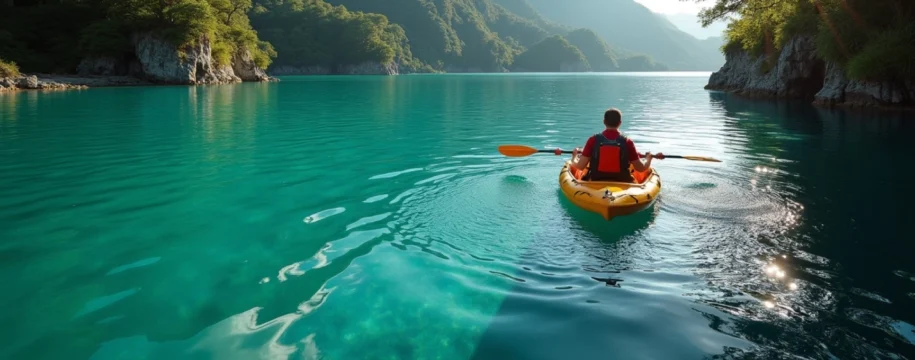
New Zealand’s North Island stands as one of the world’s most extraordinary destinations for adventure seekers and nature enthusiasts alike. From the volcanic landscapes of Rotorua to the pristine harbours of Auckland, this remarkable landmass offers an unparalleled diversity of experiences that captivate visitors from around the globe. The island’s unique geography encompasses everything from geothermal wonderlands and ancient Maori cultural sites to world-class wine regions and adrenaline-pumping extreme sports venues.
What sets the North Island apart is its ability to seamlessly blend urban sophistication with untamed wilderness, creating a destination where you can climb harbour bridges in the morning and explore glowworm caves by evening. The island’s compact size means that dramatic landscape changes occur within hours of driving, making it an ideal location for those seeking maximum variety in their travel experiences.
Auckland’s urban adventure hub and harbour bridge climbing experiences
Auckland serves as New Zealand’s gateway city and immediately establishes the North Island’s reputation for combining metropolitan excitement with natural beauty. The City of Sails sits majestically across volcanic hills and peninsulas, offering visitors an urban playground where skyscrapers meet pristine harbours and adventure opportunities abound at every turn.
The city’s most iconic structure, the Auckland Harbour Bridge, provides one of the most exhilarating ways to experience the urban landscape from above. Bridge climbing has become a signature Auckland experience, allowing adventurers to scale the steel arch structure 65 metres above Waitemata Harbour. The guided climbs offer breathtaking 360-degree views across the city, surrounding islands, and volcanic cones that dot the landscape. Professional safety equipment and expert guides ensure that climbers of varying fitness levels can safely enjoy this bucket-list experience.
Sky tower bungy jumping and SkyWalk extreme adventures
The 328-metre Sky Tower dominates Auckland’s skyline and offers some of the Southern Hemisphere’s most extreme urban adventures. The SkyJump provides an adrenaline rush like no other, with participants making a controlled base jump from 192 metres above ground level. Unlike traditional bungy jumping, the SkyJump uses a specially designed harness system that allows for a smooth, fan-descending experience reaching speeds of up to 85 kilometres per hour.
For those seeking thrills without the jump, the SkyWalk offers an equally heart-pounding alternative. Participants walk around the tower’s exterior at 192 metres high, secured by safety harnesses while experiencing unobstructed views of the Hauraki Gulf and surrounding landscape. The experience combines the excitement of extreme heights with informative commentary about Auckland’s geography and history.
Waitemata harbour sailing expeditions and america’s cup village
Auckland’s maritime heritage comes alive through its extensive harbour sailing opportunities. The Waitemata Harbour, meaning “sparkling waters” in Maori, provides ideal conditions for both novice sailors and experienced mariners. Sailing expeditions range from relaxed harbour cruises to hands-on experiences where participants can learn to trim sails and navigate using traditional methods.
The America’s Cup Village showcases Auckland’s sailing prowess and maritime innovation. Interactive exhibits detail New Zealand’s successful America’s Cup campaigns, while simulator experiences allow visitors to feel the intensity of competitive yacht racing. The village also serves as a departure point for sailing expeditions aboard authentic America’s Cup yachts, where you can experience the power and precision required in professional sailing competition.
Waitakere ranges bushwalking trails and piha beach surf breaks
West of Auckland city, the Waitakere Ranges offer an immediate escape into native New Zealand bush. The ranges encompass over 16,000 hectares of regenerating rainforest, featuring ancient kauri trees, native bird species, and cascading waterfalls. Well-maintained walking tracks suit all fitness levels, from easy 30-minute strolls to challenging full-day hikes through pristine wilderness areas.
Piha Beach represents the wild west coast at its most dramatic, with black volcanic sand beaches framed by towering pohutukawa trees and rugged cliffs. The beach’s powerful surf breaks attract experienced surfers from around the world, while Lion Rock provides an iconic backdrop for photography and exploration. The nearby Kitekite Falls offers a refreshing swimming opportunity after bush walks, with multiple pools carved into the rock formations by centuries of water flow.
Hauraki gulf marine reserve kayaking and rangitoto island volcanic exploration
The Hauraki Gulf Marine Park encompasses over 1.2 million hectares of ocean and islands, providing exceptional opportunities for sea kayaking and marine exploration. Guided kayaking expeditions reveal hidden coves, secluded beaches, and diverse marine ecosystems that thrive in the gulf’s protected waters. Dolphin encounters are common, while seasonal whale watching adds another dimension to these maritime adventures.
Rangitoto Island, Auckland’s youngest volcano, offers a unique landscape exploration opportunity just 25 minutes from downtown Auckland. The island’s volcanic terrain features lava caves, scoria fields, and the largest pohutukawa forest in the world. Walking tracks lead to the summit crater, providing panoramic views across the Hauraki Gulf and Auckland cityscape. The island’s unique ecosystem supports rare plant species that have adapted to the volcanic soil conditions.
Rotorua’s geothermal wonderland and maori cultural immersion
Rotorua stands as one of the world’s most accessible and dramatic geothermal regions, where the Earth’s inner forces create a landscape of bubbling mud pools, steaming geysers, and mineral-rich hot springs. The city sits atop one of the world’s most active volcanic fields, with thermal activity visible throughout the urban area and surrounding countryside.
The distinctive sulphuric aroma that permeates Rotorua has earned it the nickname “Sulphur City,” yet this unique characteristic becomes part of the authentic geothermal experience. The thermal activity has shaped not only the landscape but also the culture, as local Maori have utilised geothermal energy for cooking, heating, and spiritual practices for over 700 years.
Te puia geyser valley and whakarewarewa living village experiences
Te Puia showcases geothermal phenomena on a grand scale, featuring the famous Pohutu geyser that erupts up to 30 metres high multiple times daily. The 70-hectare geothermal park contains over 500 geothermal features, including silica terraces, mud pools, and steam vents that demonstrate the incredible diversity of thermal activity. Professional guides provide scientific explanations while respecting the spiritual significance these features hold for local Maori communities.
The Whakarewarewa Living Village represents one of the few places on Earth where people still live alongside active geothermal features. Residents have utilised natural steam and hot water for daily activities for generations, creating a unique lifestyle that demonstrates sustainable living with geothermal energy. Village tours provide authentic insights into traditional Maori customs while showcasing innovative uses of natural thermal resources.
Wai-o-tapu thermal park rainbow springs and champagne pool formations
Wai-O-Tapu Thermal Wonderland presents the most colourful and diverse collection of geothermal features in New Zealand. The park’s 18-square-kilometre area contains multi-coloured hot springs, crater lakes, and mineral terraces that create an otherworldly landscape. The famous Champagne Pool, measuring 65 metres in diameter, maintains a constant temperature of 74 degrees Celsius while producing effervescent bubbles that give the feature its distinctive name.
Rainbow Springs combines geothermal features with native wildlife conservation, offering visitors the opportunity to observe rare New Zealand birds in their natural habitat. The crystal-clear spring water maintains a constant temperature year-round, creating ideal conditions for trout viewing and native vegetation. Interactive wildlife encounters include kiwi birds, tuatara reptiles, and various endemic bird species that have been successfully bred in conservation programs.
Te whakarewarewa cultural centre traditional hangi cooking methods
Traditional Maori hangi cooking represents one of the most authentic ways to experience indigenous culture while utilising geothermal energy. The ancient cooking method involves placing food in baskets and lowering them into natural thermal pools or steam vents, where consistent heat slowly cooks meals to perfection. This technique produces unique flavours that cannot be replicated using conventional cooking methods.
Cultural performances at Te Whakarewarewa include traditional songs, dances, and the famous haka war dance, providing context for understanding Maori history and values. Authentic experiences extend beyond entertainment to include hands-on learning opportunities where visitors can participate in traditional crafts, learn basic Maori language phrases, and understand the spiritual connections between Maori people and their geothermal environment.
Redwood forest canopy walks and mountain biking grade trails
The Whakarewarewa Forest showcases exotic tree species planted over a century ago, with California Redwoods creating cathedral-like groves that tower over 70 metres high. The TreeWalk canopy experience features 28 suspension bridges connecting platforms built around ancient tree trunks, allowing visitors to explore the forest ecosystem from a unique perspective while learning about forest conservation efforts.
Mountain biking trails throughout the redwood forest cater to all skill levels, from family-friendly paths to challenging single-track routes that wind through native bush and exotic plantations. The forest’s 160 kilometres of trails include purpose-built mountain biking tracks that have hosted international competitions, featuring technical features, jumps, and berms that challenge experienced riders while providing safe alternatives for beginners.
Bay of islands maritime adventures and dolphin encounter expeditions
The Bay of Islands encompasses 144 islands scattered across pristine waters, creating one of New Zealand’s most spectacular maritime playgrounds. This subtropical paradise combines rich Maori and European history with exceptional natural beauty, offering visitors countless opportunities for water-based adventures and cultural exploration. The region’s sheltered bays and diverse marine ecosystem support abundant wildlife populations while providing ideal conditions for sailing, fishing, and diving activities.
Dolphin encounter expeditions in the Bay of Islands provide opportunities to observe several dolphin species in their natural habitat. Bottlenose dolphins, common dolphins, and occasionally orca whales frequent these waters year-round, with professional guides ensuring respectful wildlife interactions that prioritise animal welfare. Swimming with dolphins requires strict adherence to Department of Conservation guidelines, with boat operators maintaining appropriate distances and limiting interaction times to minimise environmental impact.
The famous Hole in the Rock formation at Piercy Island represents one of New Zealand’s most photographed natural landmarks. Boat cruises navigate through the narrow opening when conditions permit, creating an unforgettable experience as passengers travel through the heart of the rocky island. The surrounding waters support diverse marine life, including fur seals, gannets, and various seabird species that nest on the dramatic cliff faces.
The Bay of Islands offers some of the world’s finest big game fishing, with marlin, tuna, and sharks regularly caught in the deep waters beyond the continental shelf.
Historical significance permeates the Bay of Islands through sites like the Waitangi Treaty Grounds, where New Zealand’s founding document was signed in 1840. Interactive cultural experiences include traditional Maori welcomes, warrior demonstrations, and authentic hangi feast preparations that provide deep insights into indigenous culture. The region’s European heritage is equally compelling, with Russell’s colonial architecture and maritime museums documenting early settlement periods and whaling industry development.
Coromandel peninsula gold mining heritage and cathedral cove coastal formations
The Coromandel Peninsula extends into the Pacific Ocean like a natural breakwater, creating a diverse landscape of rugged mountains, pristine beaches, and historic gold mining sites. This region experienced significant development during New Zealand’s gold rush era, with remnants of mining operations still visible throughout the interior valleys and coastal settlements. The peninsula’s unique geography features both east and west coasts within short distances, allowing visitors to experience diverse coastal environments and microclimates.
Cathedral Cove represents the Coromandel’s most iconic natural formation, featuring a massive limestone archway that frames turquoise waters and white sand beaches. The walking track to Cathedral Cove winds through coastal forest and farmland, revealing spectacular cliff-top views and secluded coves along the route. Marine reserve status protects the underwater ecosystem, making this location ideal for snorkelling and observing diverse fish species in crystal-clear waters.
Hot Water Beach offers a unique geothermal experience where visitors can dig their own hot pools in the sand during low tide periods. Underground thermal springs heat the sand to temperatures exceeding 60 degrees Celsius, creating natural spa conditions on an ocean beach. The experience requires careful timing with tidal charts, as high tide covers the thermal area completely, while optimal digging conditions occur approximately two hours either side of low tide.
Gold mining heritage sites throughout the Coromandel include operational stamper batteries, abandoned mine shafts, and historic settlements that provide insights into 19th-century mining techniques and social conditions. The Karangahake Gorge features walking tracks through mining ruins, including rail tunnels and processing facilities that demonstrate the scale of historical gold extraction operations. Educational displays explain mining processes while highlighting environmental restoration efforts in former mining areas.
Taupo volcanic zone extreme sports and lake taupo trout fishing charters
The Taupo Volcanic Zone represents one of the world’s most active geothermal regions, stretching from Mount Ruapehu in the south to White Island in the north. Lake Taupo sits at the heart of this volcanic landscape, occupying a massive caldera formed by one of history’s most powerful volcanic eruptions approximately 26,500 years ago. The lake’s enormous size and crystal-clear waters create perfect conditions for both extreme sports and world-class trout fishing.
Skydiving over Lake Taupo provides unparalleled aerial perspectives of the volcanic landscape, with tandem jumps available from altitudes up to 15,000 feet. The extended freefall experience reveals the lake’s true scale while showcasing surrounding mountain ranges, thermal features, and the distinctive blue-green waters that characterise this unique environment. Professional operators maintain excellent safety records while ensuring optimal weather conditions for maximum visibility and enjoyment.
Huka falls jet boat rapids and waikato river white water rafting
Huka Falls demonstrates the raw power of New Zealand’s longest river, with over 220,000 litres of water per second thundering through a narrow rock gorge before plunging 11 metres into the Waikato River. Jet boat rides navigate the turbulent waters below the falls, providing close-up experiences of this natural phenomenon while demonstrating the unique capabilities of New Zealand-invented jet propulsion technology.
White water rafting on the Waikato River offers grade 3-5 rapids that challenge experienced rafters while providing guided options for beginners. The river course features over 14 significant rapids, including technical sections that require precise navigation and teamwork. Professional guides provide comprehensive safety briefings and technical instruction, ensuring participants develop confidence and skills while experiencing some of New Zealand’s finest white water conditions.
Tongariro alpine crossing emerald lakes circuit hiking
The Tongariro Alpine Crossing ranks among the world’s finest single-day hikes, traversing an ancient volcanic landscape that served as filming locations for Mount Doom in the Lord of the Rings trilogy. The 19.4-kilometre track crosses active volcanic terrain, including steaming craters, emerald-coloured lakes, and expansive lava fields that demonstrate ongoing geological processes.
Alpine conditions can change rapidly , requiring proper preparation and equipment regardless of seasonal weather forecasts. The track reaches elevations over 1,900 metres, where temperatures can drop significantly below valley levels, while exposed sections leave hikers vulnerable to strong winds and sudden weather changes. Essential equipment includes warm clothing layers, waterproof gear, sturdy hiking boots, and adequate food and water supplies for the 6-8 hour crossing duration.
Mount ruapehu ski fields and whakapapa glacier terrain exploration
Mount Ruapehu’s dual ski areas, Whakapapa and Turoa, offer New Zealand’s largest ski terrain with over 550 hectares of groomed runs and off-piste areas. The volcano’s unique geography creates diverse skiing conditions, from gentle beginner slopes to challenging expert terrain that includes glacier skiing opportunities. Volcanic activity adds an element of excitement, with crater lake monitoring ensuring visitor safety while providing educational opportunities about active volcanic systems.
Glacier terrain exploration on Mount Ruapehu requires specialised equipment and experienced guides due to crevasse dangers and changing ice conditions. Summer hiking opportunities include alpine routes that reveal glacial formations, volcanic crater lakes, and endemic alpine plant communities adapted to harsh mountain conditions. The Crater Lake track provides accessible views of the active crater
, while the Taranaki Falls track provides easier access to volcanic features for visitors of all fitness levels.
Wellington capital city cultural precincts and te papa museum collections
Wellington serves as New Zealand’s vibrant capital city, combining political significance with a thriving cultural scene that showcases the nation’s artistic heritage and contemporary creativity. The compact city centre nestles between Wellington Harbour and surrounding hills, creating a unique urban environment where government buildings coexist with world-class museums, innovative galleries, and bustling creative precincts. Wellington’s reputation as the cultural heart of New Zealand extends beyond its political importance to encompass film industry achievements, culinary excellence, and dynamic arts communities.
Te Papa Tongarewa, New Zealand’s national museum, represents one of the world’s most innovative cultural institutions, housing extensive collections that span natural history, cultural heritage, and contemporary art. The museum’s interactive exhibitions utilise cutting-edge technology to present Maori taonga (treasures), colonial history artefacts, and scientific specimens in engaging formats that appeal to diverse audiences. Colossal squid specimens, earthquake simulators, and traditional Maori meeting houses create immersive experiences that educate visitors about New Zealand’s unique natural and cultural environment.
The Wellington waterfront precinct extends along the harbour’s edge, featuring sculpture installations, performance venues, and recreational facilities that celebrate the city’s maritime heritage. Lagoon walkways connect various cultural attractions while providing scenic harbour views and opportunities for outdoor dining and entertainment. The area serves as a popular venue for festivals, markets, and community events that showcase Wellington’s diverse cultural communities and creative industries.
Wellington’s compact geography makes it an ideal city for exploring on foot, with cable car services providing access to hillside neighbourhoods and panoramic city views. The historic Wellington Cable Car, operating since 1902, connects the central business district with the Botanic Garden and Kelburn suburbs, offering tourists and commuters alike spectacular harbour vistas during the five-minute journey. The upper terminal provides access to extensive walking trails through native bush reserves and formal gardens that showcase both indigenous and exotic plant species.
Wellington’s creative industries contribute significantly to New Zealand’s economy, with film production, digital design, and performing arts generating substantial export revenue and international recognition.
The city’s coffee culture rivals that of Melbourne or Seattle, with numerous independent roasters and specialty cafés contributing to Wellington’s reputation as a caffeine capital. Local roasting companies source premium beans from Pacific regions while developing unique blending techniques that reflect New Zealand’s innovative approach to coffee preparation. Café culture extends beyond beverage service to encompass community gathering spaces where business meetings, creative collaborations, and social interactions flourish throughout the day.
Weta Workshop and Weta Digital have established Wellington as a global centre for film production and special effects creation, with behind-the-scenes tours offering insights into the creative processes behind internationally acclaimed movies. The workshops showcase miniature sets, creature designs, prosthetics, and digital animation techniques that brought fantasy worlds to life on cinema screens worldwide. Visitors can observe artists and technicians working on current projects while learning about the intersection of traditional craftsmanship and cutting-edge technology in modern filmmaking.
Wellington’s performing arts scene encompasses professional theatre companies, dance troupes, and musical ensembles that present both classical and contemporary works in venues ranging from intimate studio spaces to grand opera houses. The New Zealand Symphony Orchestra, Royal New Zealand Ballet, and various theatre companies maintain year-round performance schedules that attract audiences from throughout the country. International festivals bring world-class performers to Wellington stages, while local venues support emerging artists and experimental works that push creative boundaries.
The city’s culinary landscape reflects New Zealand’s multicultural population and abundant local produce, with restaurants showcasing innovative fusion cuisines alongside traditional European and indigenous dining experiences. Wellington’s position as the capital attracts diplomatic communities that contribute authentic international flavours to the local dining scene, while proximity to wine regions ensures excellent beverage pairings for sophisticated meals. Craft breweries and distilleries add local character to the beverage offerings, with many establishments featuring tours and tastings that educate visitors about production techniques and flavour profiles.
Government buildings and political institutions provide educational opportunities for understanding New Zealand’s democratic processes and constitutional development. The distinctive Beehive building houses executive offices, while Parliament House contains the debating chamber where national legislation is crafted and debated. Guided tours reveal architectural features and historical significance while explaining the Westminster parliamentary system as adapted for New Zealand’s bicultural society and contemporary governance challenges.
Wellington’s commitment to sustainability and environmental protection manifests through numerous green initiatives, public transportation systems, and urban planning policies that balance development with conservation goals. The city’s extensive network of walking and cycling paths encourages active transportation while reducing carbon emissions, while public gardens and reserves protect native species within urban environments. Zealandia, the world’s first fully-fenced urban ecosanctuary, demonstrates innovative conservation techniques while providing opportunities for observing rare native birds and reptiles in their natural habitat.