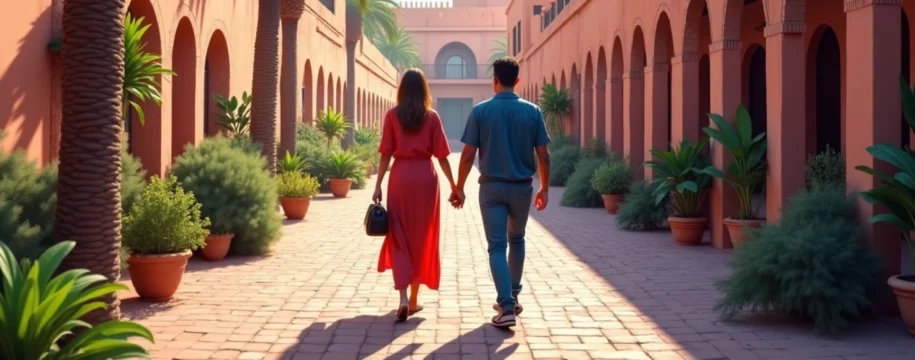
Marrakech stands as Morocco’s most captivating imperial city, where ancient traditions blend seamlessly with modern attractions to create an unforgettable travel experience. The Red City, as it’s affectionately known, offers first-time visitors a sensory journey through bustling souks, ornate palaces, and aromatic spice markets that have remained virtually unchanged for centuries. From the moment you step through the medina’s ancient walls, the city’s unique energy envelops you in a whirlwind of vibrant colours, melodic calls to prayer, and the intoxicating scent of mint tea wafting through narrow alleyways.
What makes Marrakech particularly special for newcomers is its ability to transport visitors into a living piece of history whilst providing all the comforts and conveniences modern travellers expect. The city’s strategic location at the crossroads of Africa and Europe has created a distinctive cultural fusion that manifests in everything from architectural styles to culinary traditions, making it an ideal destination for those seeking both adventure and cultural enrichment.
Essential marrakech medina navigation for First-Time visitors
The medina of Marrakech represents one of the world’s most extensive and well-preserved medieval cities, encompassing over 600 acres of labyrinthine streets, traditional riads, and bustling commercial districts. Understanding how to navigate this UNESCO World Heritage site effectively can transform your visit from a potentially overwhelming experience into a rewarding cultural adventure. The key to successful medina exploration lies in adopting the right mindset and employing strategic navigation techniques that acknowledge the area’s unique characteristics.
First-time visitors often struggle with the medina’s apparent lack of logical street patterns, but this maze-like quality serves a historical purpose. The winding alleys were deliberately designed to confuse potential invaders whilst providing residents with natural cooling corridors that channel breezes through the city. Modern GPS technology, whilst helpful, can be unreliable within the medina’s narrow passages due to poor satellite reception, making traditional navigation skills particularly valuable.
Jemaa el-fnaa square strategic exploration techniques
Jemaa el-Fnaa Square serves as the medina’s beating heart and your most reliable navigation reference point throughout your stay. This expansive plaza transforms dramatically throughout the day, beginning as a relatively quiet space in the early morning before evolving into a vibrant spectacle of street performers, food vendors, and traditional musicians by sunset. Understanding the square’s rhythm helps you time your visits to avoid overwhelming crowds whilst maximising cultural experiences.
The most effective approach involves visiting the square multiple times during your stay, each offering unique perspectives and activities. Early morning visits provide excellent photography opportunities with softer lighting and fewer crowds, whilst evening visits showcase the full theatrical experience of Marrakech’s street culture. Position yourself on one of the surrounding café terraces during peak evening hours to observe the organised chaos below whilst enjoying traditional mint tea.
Souks quarter orientation and landmark recognition
The souks quarter radiates northward from Jemaa el-Fnaa Square in a complex network of covered markets, each specialising in specific trades and crafts. Successful navigation requires identifying key landmark buildings and distinctive architectural features that serve as reliable reference points. The entrance to Souk Semmarine, marked by its distinctive archway directly north of the main square, provides the primary access route into the commercial heart of the medina.
Professional tip: memorise the locations of major mosques, fountains, and distinctive doorways as you explore, creating a mental map that allows independent navigation without constant reliance on technology. The Mouassine Fountain, located in the heart of the souks district, serves as an excellent central reference point, whilst the distinctive green-tiled minaret of the Ben Youssef Mosque provides a visual landmark visible from multiple locations within the souks quarter.
Bahia palace and saadian tombs access routes
Reaching Marrakech’s premier historical attractions requires understanding the medina’s southern district layout and identifying the most efficient walking routes from central locations. Both Bahia Palace and the Saadian Tombs are located in the Kasbah quarter, accessible via clearly marked pathways from Jemaa el-Fnaa Square. The journey typically takes 15-20 minutes on foot through residential neighbourhoods that offer glimpses into authentic Moroccan daily life.
The recommended route follows Rue Riad Zitoun el Kedim southward from the main square, passing through areas where local families conduct their daily activities alongside traditional craftspeople. This approach provides cultural context that enhances your appreciation of the historical sites whilst avoiding the more touristy commercial areas that can feel overwhelming to first-time visitors.
Koutoubia mosque circumnavigation and photography points
The Koutoubia Mosque’s 77-metre minaret dominates Marrakech’s skyline and serves as the city’s most recognisable landmark, visible from virtually every elevated position within the medina. Whilst non-Muslims cannot enter the mosque itself, the surrounding gardens and exterior walkways provide excellent vantage points for photography and architectural appreciation. The best photographic opportunities occur during the golden hour before sunset when the warm light enhances the building’s distinctive red sandstone construction.
Circumnavigating the mosque complex reveals different architectural perspectives and allows you to appreciate the building’s relationship with the surrounding urban landscape. The western side offers unobstructed views across the adjacent park area, whilst the northern approach provides context for understanding how the mosque integrates with the medina’s street pattern and commercial districts.
Marrakech accommodation districts analysis and selection criteria
Choosing appropriate accommodation significantly influences your Marrakech experience, with each district offering distinct advantages depending on your travel priorities, budget considerations, and cultural preferences. The city’s accommodation options range from authentic medina riads that immerse you in traditional Moroccan architecture to modern luxury resorts that provide contemporary comfort whilst maintaining cultural authenticity. Understanding the characteristics of each accommodation district enables informed decision-making that aligns with your specific travel objectives.
Location considerations extend beyond mere proximity to attractions, encompassing factors such as noise levels, accessibility for luggage transport, and the availability of modern amenities. Each district presents unique advantages and potential challenges that first-time visitors should evaluate carefully to ensure their accommodation choice enhances rather than detracts from their overall experience.
Medina riad positioning and authentic experience factors
Traditional riads within the medina offer the most authentic Moroccan accommodation experience, featuring restored historical buildings centered around tranquil courtyards that provide peaceful refuges from the bustling street life outside. These properties typically showcase traditional Moroccan craftsmanship through intricate tilework, carved plaster details, and furnished terraces that offer stunning city views. The intimate scale of most riads, often accommodating fewer than twenty guests, creates personalised service levels that larger hotels cannot match.
However, medina accommodation requires realistic expectations regarding modern conveniences and accessibility. Many riads occupy centuries-old buildings where narrow doorways and steep staircases can challenge visitors with mobility limitations or substantial luggage. The labyrinthine nature of medina streets means that taxis cannot reach your accommodation directly, necessitating short walks through pedestrian-only areas that can be disorienting after dark.
Gueliz modern quarter hotel infrastructure assessment
The Gueliz district represents Marrakech’s modern commercial heart, featuring contemporary hotels with international standards alongside shopping centres, restaurants, and business facilities. This area appeals to travellers who prefer familiar hotel amenities whilst maintaining easy access to the medina’s cultural attractions via short taxi rides or pleasant walks along Avenue Mohammed V. The district’s wide boulevards and modern infrastructure provide a stark contrast to the medina’s medieval character.
Gueliz accommodation typically offers superior accessibility for guests with mobility challenges, reliable internet connectivity for business travellers, and proximity to international restaurants for those seeking dining variety beyond traditional Moroccan cuisine. The trade-off involves a less immersive cultural experience and the need for transportation to reach the medina’s primary attractions, though this arrangement suits travellers who prefer returning to familiar comfort after intensive sightseeing sessions.
Hivernage luxury resort proximity to major attractions
The Hivernage district positions luxury resorts within walking distance of both the medina and the modern city centre, offering an optimal balance between cultural access and contemporary comfort. This area attracts upscale properties that combine Moroccan architectural elements with international luxury standards, featuring extensive gardens, multiple dining options, and comprehensive spa facilities. The district’s strategic location allows guests to experience authentic Marrakech culture whilst enjoying world-class hospitality services.
Many Hivernage properties provide shuttle services to major attractions and shopping areas, reducing transportation concerns whilst maintaining the flexibility to explore independently. The area’s reputation for security and its proximity to the prestigious Majorelle Garden make it particularly appealing to first-time visitors who prioritise safety and convenience without sacrificing cultural authenticity.
Palmeraie desert resort accessibility and transport links
The Palmeraie district offers a unique desert resort experience within striking distance of Marrakech’s urban attractions, featuring luxury properties set among date palm groves that create an oasis-like atmosphere. These resorts typically emphasise outdoor activities such as golf, horseback riding, and camel trekking whilst providing shuttle services to the medina for cultural excursions. The dramatic contrast between the serene resort environment and the bustling city centre creates a distinctive holiday experience.
Transportation considerations become paramount when staying in Palmeraie, as the 20-minute distance to central Marrakech requires either resort shuttle services, private transfers, or rental car arrangements. This isolation appeals to travellers seeking relaxation between intensive sightseeing sessions but may frustrate those who prefer spontaneous exploration or evening activities in the medina’s restaurants and cafés.
Atlas mountains day trip logistics and berber village integration
The High Atlas Mountains, rising dramatically from the plains surrounding Marrakech, offer first-time visitors an extraordinary contrast to the city’s urban energy through spectacular scenery and authentic Berber cultural experiences. These ancient peaks, some reaching over 4,000 metres in elevation, provide a refreshing escape from Marrakech’s heat whilst delivering insights into traditional mountain communities that have maintained their customs for centuries. Day trip logistics require careful planning to maximise your mountain experience whilst ensuring comfortable transportation and appropriate cultural preparation.
Professional tour operators typically offer various Atlas Mountains experiences ranging from basic scenic tours to comprehensive cultural immersion programmes that include traditional meals, craft demonstrations, and guided village walks. The journey from Marrakech to the foothills takes approximately one hour, with additional time required to reach higher elevation villages that showcase the most dramatic scenery and authentic cultural experiences. Understanding seasonal weather patterns proves essential for planning appropriate clothing and realistic itinerary expectations.
The most rewarding Atlas Mountains experiences combine spectacular natural scenery with meaningful cultural interactions in traditional Berber villages where residents maintain centuries-old agricultural and craft traditions. Many villages welcome visitors through organised programmes that provide economic benefits to local communities whilst offering travellers authentic insights into mountain life. These interactions often include demonstrations of traditional weaving, pottery creation, and organic farming techniques that have sustained mountain communities for generations.
Successful day trip planning involves selecting reputable operators who prioritise sustainable tourism practices and genuine cultural exchange over superficial tourist experiences. The best programmes allow sufficient time in each location to appreciate both natural beauty and cultural significance without feeling rushed or overwhelmed by excessive travel time between destinations.
The Atlas Mountains experience provides first-time visitors with perspective on Morocco’s incredible geographical and cultural diversity, revealing how different communities have adapted to distinct environmental challenges whilst maintaining their cultural identity.
Marrakech culinary landscape mastery for international palates
Marrakech’s culinary scene represents a sophisticated fusion of Berber, Arab, and Mediterranean influences that have evolved over centuries of cultural exchange and trade relationships. The city’s food culture extends far beyond the tourist-oriented restaurants surrounding Jemaa el-Fnaa Square, encompassing traditional family establishments, innovative fusion concepts, and authentic street food vendors that provide genuine insights into Moroccan gastronomy. Understanding the culinary landscape enables first-time visitors to navigate dining options confidently whilst avoiding common tourist traps that offer mediocre food at inflated prices.
The most authentic culinary experiences often occur in establishments frequented by local residents, where traditional cooking methods and family recipes create flavours that represent genuine Moroccan cuisine. These venues typically operate with minimal English-speaking staff but provide food quality and authenticity that compensates for potential communication challenges through visual menus or helpful gestures from fellow diners.
Traditional tagine preparation techniques at local establishments
Authentic tagine preparation represents a cornerstone of Moroccan culinary tradition, involving slow-cooking techniques that develop complex flavours through the interaction of spices, vegetables, and proteins within the distinctive conical clay vessels. Traditional establishments typically prepare tagines using wood-fired ovens that impart subtle smoky flavours impossible to replicate with modern cooking methods. The best tagine experiences occur in family-run restaurants where recipes have been perfected over generations and ingredient sourcing emphasises local produce and spice markets.
Professional preparation techniques involve layering ingredients according to cooking time requirements, with hardy root vegetables placed at the bottom and delicate herbs added during final cooking stages. The tagine vessel’s design creates a natural steam circulation system that tenderises proteins whilst concentrating flavours, resulting in aromatic dishes that showcase Morocco’s sophisticated spice combinations and cooking expertise.
Street food safety protocols in medina food stalls
Navigating Marrakech’s vibrant street food scene requires understanding basic safety protocols that allow you to enjoy authentic local flavours whilst minimising health risks. The most reliable vendors typically display fresh ingredients prominently, maintain clean preparation areas, and demonstrate high customer turnover that ensures food freshness. Observing local customers provides excellent guidance regarding which stalls offer quality food, as residents possess intimate knowledge of vendor reputations and food safety standards.
Essential safety considerations include avoiding pre-prepared foods that have been sitting at room temperature, selecting vendors who cook items to order, and choosing bottled water over tap water or ice. The bustling food stalls around Jemaa el-Fnaa Square offer spectacle and atmosphere but may prioritise tourist volume over food quality, making exploration of quieter neighbourhood vendors potentially more rewarding for authentic experiences.
Mint tea ceremony etiquette and cultural significance
Moroccan mint tea ceremony represents far more than simple beverage service, embodying hospitality traditions that demonstrate respect for guests whilst providing opportunities for social connection and business relationship development. The elaborate preparation process, involving specific tea varieties, fresh mint, sugar proportions, and pouring techniques, creates a meditative experience that encourages patience and conversation. Understanding proper etiquette enhances cultural appreciation whilst demonstrating respect for local customs.
Traditional ceremony etiquette involves accepting at least three glasses when offered, as each successive serving represents different aspects of hospitality and friendship. The distinctive pouring technique, performed from considerable height to create foam and aerate the tea, requires skill and practice that Moroccans develop from childhood. Participating respectfully in tea ceremonies provides natural opportunities for cultural exchange and language practice with local residents.
Pastilla and couscous regional variations identification
Pastilla and couscous represent sophisticated examples of Moroccan culinary artistry that showcase regional ingredient variations and preparation techniques passed down through generations of family cooks. Authentic pastilla preparation involves delicate phyllo-like pastry layers that encase spiced meat or seafood fillings, often incorporating sweet elements like cinnamon and almonds that create complex flavour profiles. Regional variations reflect local ingredient availability and cultural preferences, with coastal areas emphasising seafood preparations whilst inland regions focus on poultry and game.
Couscous preparation techniques vary significantly between regions and family traditions, with grain size, steaming methods, and accompanying vegetables reflecting local agricultural patterns and seasonal availability. Friday traditionally serves as couscous day in Moroccan households, making weekend dining an excellent opportunity to experience authentic family-style preparations in traditional restaurants that maintain cultural dining customs.
Majorelle garden and yves saint laurent museum cultural circuit planning
The Majorelle Garden and Yves Saint Laurent Museum complex represents Marrakech’s most sophisticated cultural attraction, combining botanical excellence with fashion history and artistic legacy in a setting that demonstrates successful preservation of colonial-era cultural assets. This meticulously maintained garden, originally created by French painter Jacques Majorelle in the 1920s and later restored by Yves Saint Laurent and Pierre Bergé, showcases exotic plant species from around the world within a distinctive cobalt blue architectural framework that has become synonymous with Marrakech’s artistic heritage.
Effective visit planning requires understanding ticket pricing structures, peak visiting hours, and the relationship between the garden experience and adjacent museum facilities. The complex attracts significant visitor volumes, particularly during peak tourist seasons, making advance booking and early morning visits essential for optimal experiences. The cultural circuit extends beyond mere sightseeing, encompassing educational opportunities that illuminate the intersection of European
artistic heritage and contemporary Moroccan cultural identity through thoughtfully curated exhibitions and educational programmes.
The museum’s permanent collection showcases Yves Saint Laurent’s revolutionary contributions to international fashion whilst exploring his deep personal connection to Marrakech and North African culture. Interactive displays demonstrate how Moroccan textiles, colours, and traditional craftsmanship influenced Saint Laurent’s most iconic designs, creating educational experiences that appeal to fashion enthusiasts and cultural historians alike. The museum’s architecture itself represents a masterpiece of contemporary design that respects traditional Moroccan aesthetics whilst incorporating modern exhibition technologies.
Strategic timing enhances your cultural circuit experience significantly, with early morning visits providing optimal lighting conditions for garden photography and peaceful contemplation before tourist crowds arrive. The combination ticket offers better value than separate admissions whilst ensuring access during peak seasons when individual tickets may sell out. Allow approximately three hours for a comprehensive visit that includes adequate time for both garden exploration and museum exhibition review.
The adjacent Berber Museum, housed within Majorelle’s original painting studio, provides essential context for understanding North African cultural traditions that influenced both the garden’s design and Saint Laurent’s artistic vision. Traditional Berber textiles, jewellery, and ceremonial objects displayed within the museum create educational opportunities that illuminate the sophisticated artistic traditions of Morocco’s indigenous communities. These exhibits demonstrate cultural continuity across centuries whilst showcasing contemporary artistic expressions that maintain traditional techniques.
The Majorelle Garden experience represents more than botanical tourism, offering visitors insights into how artistic vision and cultural appreciation can preserve heritage whilst creating new forms of beauty that inspire future generations.
Marrakech weather patterns and seasonal travel optimisation strategies
Understanding Marrakech’s distinctive climate patterns enables first-time visitors to optimise their travel timing whilst preparing appropriate clothing and activity schedules that account for significant seasonal variations. The city experiences a semi-arid climate characterised by hot, dry summers and mild winters, with dramatic temperature fluctuations between day and night that can catch unprepared travellers off guard. Rainfall occurs primarily during winter months, creating brief but intense precipitation periods that can disrupt outdoor activities and transportation schedules.
Summer temperatures frequently exceed 40°C (104°F) during midday hours, making outdoor exploration extremely challenging without proper preparation and timing strategies. The intense heat creates particularly difficult conditions within the medina’s narrow streets where stone walls absorb and radiate thermal energy throughout the day. Professional travellers typically avoid Marrakech during July and August unless their itineraries specifically accommodate early morning and evening activity schedules that minimise exposure to peak temperature periods.
Spring months from March through May offer optimal weather conditions for first-time visitors, featuring comfortable daytime temperatures averaging 22-28°C (72-82°F) with minimal rainfall and pleasant evening conditions perfect for rooftop dining and cultural activities. This season showcases Marrakech at its most photogenic, with clear skies highlighting the city’s distinctive red architecture against dramatic Atlas Mountains backgrounds. Hotel rates during spring reflect peak demand, but the superior weather conditions and extended daylight hours justify the additional investment for comprehensive sightseeing programmes.
Autumn presents excellent alternative timing from September through November, when temperatures moderate following summer’s intensity whilst maintaining clear skies and comfortable conditions for extensive walking tours. The post-summer period often features reduced accommodation rates and fewer tourist crowds, creating more authentic cultural experiences in popular attractions and restaurants. However, autumn visitors should prepare for occasional temperature spikes and sudden weather changes that require flexible clothing options.
Winter months from December through February offer the most budget-friendly accommodation rates and minimal tourist crowds, but require careful preparation for significant temperature variations and potential rainfall disruptions. Daytime temperatures typically range from 18-22°C (64-72°F), perfect for comfortable sightseeing, whilst nighttime temperatures can drop to 5-10°C (41-50°F), necessitating warm clothing for evening activities. Winter travel rewards patient visitors with intimate cultural experiences and exceptional photography opportunities during brief rainfall periods that transform the city’s appearance.
Seasonal activity optimisation requires adjusting daily schedules to complement weather patterns and cultural rhythms that vary throughout the year. Summer visitors should plan intensive sightseeing during early morning hours before 10 AM and resume activities after 5 PM when temperatures moderate, using midday hours for indoor attractions like museums, cooking classes, or traditional hammam experiences. Spring and autumn provide flexibility for all-day outdoor exploration, whilst winter visitors can maximise daylight hours for comprehensive sightseeing with appropriate layering strategies for temperature fluctuations.
Ramadan observance significantly impacts Marrakech’s cultural rhythm regardless of season, creating unique opportunities for respectful cultural participation alongside practical considerations for meal timing and attraction schedules. During this sacred month, many restaurants close during daylight hours whilst reopening for evening iftar celebrations that provide extraordinary cultural experiences for respectful visitors. Tourist attractions typically maintain normal schedules, but the medina’s atmosphere transforms dramatically as residents focus on spiritual observance and family gatherings.
Weather preparation extends beyond clothing considerations to include sun protection strategies, hydration planning, and altitude adjustment for Atlas Mountains excursions. The intense North African sun requires comprehensive protection including wide-brimmed hats, high SPF sunscreen, and polarised sunglasses even during winter months when UV exposure remains significant. Adequate hydration becomes critical during any season, with bottled water readily available throughout the city but requiring careful budgeting for daily consumption needs that increase substantially in hot weather.