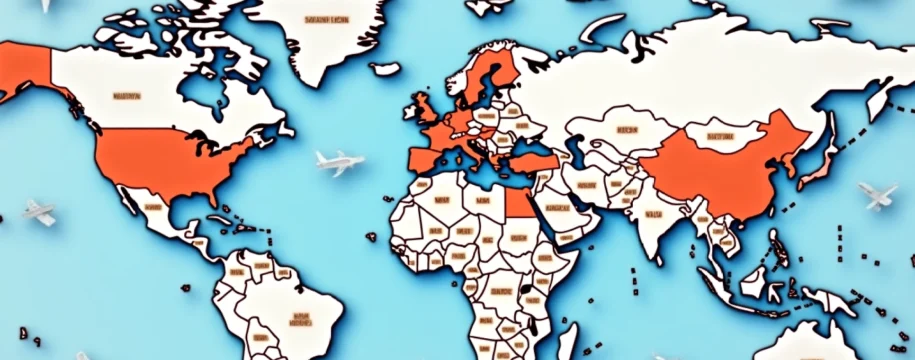
Travel documentation requirements have evolved significantly over the past decades, with national identity cards emerging as increasingly viable alternatives to traditional passports in numerous scenarios. While passports remain the universal standard for international travel, understanding when your national ID card suffices can streamline your journey planning and potentially save you considerable time and expense. The modern travel landscape presents a complex web of agreements, bilateral treaties, and regional frameworks that determine whether your national identity card provides adequate documentation for cross-border movement.
The significance of national ID cards in international travel cannot be understated, particularly within integrated economic zones and regions with established freedom of movement protocols. These documents often carry the same legal weight as passports within specific geographical boundaries, offering travellers greater flexibility and convenience. From the bustling corridors of European airports to land border crossings in South America, national identity cards facilitate millions of journeys annually, proving their worth as legitimate travel documents in the right circumstances.
European union freedom of movement regulations and national ID card requirements
The European Union’s freedom of movement principles represent the most comprehensive framework globally for national identity card travel acceptance. Under Article 21 of the Treaty on the Functioning of the European Union, EU citizens possess the fundamental right to move and reside freely within member states, with national identity cards serving as sufficient documentation for this movement. This remarkable achievement in international cooperation means that approximately 450 million Europeans can traverse 27 member states using nothing more than their domestic identification cards.
The EU’s commitment to freedom of movement has transformed travel patterns across the continent, with national ID cards becoming the preferred travel document for millions of Europeans conducting business, leisure, and family visits within the Union.
The practical implications of these regulations extend beyond simple border crossings. Hotels, rental car agencies, and financial institutions across EU member states routinely accept national identity cards as valid identification, creating a seamless travel experience that mirrors domestic movement. However, travellers must ensure their cards meet specific technical standards, including machine-readable features and security elements that comply with ISO/IEC 7810 specifications.
Schengen area travel protocols for EU citizens with national identity cards
The Schengen Agreement amplifies the utility of national identity cards by eliminating internal border controls among participating countries. This zone encompasses 26 European countries, including 22 EU member states plus Iceland, Liechtenstein, Norway, and Switzerland. Within this area, national ID cards function identically to passports for EU citizens, enabling unrestricted movement across what constitutes one of the world’s largest free-travel zones.
Recent developments have introduced temporary border controls in response to security concerns, migration pressures, and health emergencies. During such periods, authorities may conduct enhanced document checks, making the possession of valid identification crucial. National identity cards retain their validity during these temporary measures, though travellers should expect potential delays and additional scrutiny at border crossing points.
Brexit impact on UK citizens’ national ID card travel rights
Brexit fundamentally altered travel dynamics for UK citizens, who previously enjoyed unrestricted EU movement rights. The absence of a standardised UK national identity card system means British travellers now rely primarily on passports for European travel. However, specific arrangements exist for certain categories of UK residents, including those with settled or pre-settled status under the EU Settlement Scheme.
Gibraltar residents maintain unique privileges, with Gibraltar identity cards continuing to facilitate travel within specific European contexts. This arrangement reflects the complex post-Brexit landscape where historical relationships and bilateral agreements create exceptions to general rules. These provisions demonstrate how regional politics directly impact travel document requirements , highlighting the importance of staying informed about evolving regulations.
Non-eu european economic area countries ID card acceptance policies
The European Economic Area extends beyond EU membership to include Iceland, Liechtenstein, and Norway, creating additional opportunities for national ID card travel. These countries participate in the single market and maintain freedom of movement agreements with EU member states, accepting national identity cards from EU citizens for both entry and extended stays.
Switzerland presents a particularly interesting case, as it participates in Schengen arrangements without full EU or EEA membership. Swiss authorities accept EU national identity cards for entry and short-term visits, while Swiss national ID cards reciprocally provide access to EU territories. This arrangement exemplifies how bilateral agreements can create ID card travel opportunities outside formal union membership structures.
ETIAS authorization system requirements for national ID card holders
The forthcoming European Travel Information and Authorization System (ETIAS) will impact how third-country nationals use identity documents for European travel. While not directly affecting EU citizens using national ID cards within the Union, ETIAS demonstrates the evolving landscape of travel authorization systems. The system will require advance authorization for visa-exempt nationals visiting Schengen countries, though EU citizens with valid national identity cards will remain exempt from these requirements.
Bilateral agreements enabling national ID card Cross-Border travel
Beyond comprehensive regional frameworks like the EU and Schengen systems, numerous bilateral agreements facilitate national identity card travel between specific country pairs. These arrangements often reflect historical relationships, geographical proximity, or economic partnerships that make enhanced travel facilitation mutually beneficial. Understanding these agreements can unlock travel opportunities that might not be immediately apparent from general passport requirements.
The effectiveness of bilateral ID card agreements varies significantly based on implementation details and reciprocal recognition standards. Some agreements permit unlimited travel for tourism and business purposes, while others restrict usage to specific border regions or impose duration limitations. The key to successful utilisation lies in understanding the precise terms and conditions governing each bilateral arrangement before departure.
Mercosur agreement ID card travel provisions for south american citizens
The Mercosur common market represents South America’s most significant integration initiative, enabling citizens of Argentina, Brazil, Paraguay, and Uruguay to travel between member states using national identity cards. This arrangement facilitates millions of cross-border movements annually, supporting regional economic integration and cultural exchange. The agreement extends to associated members including Bolivia, Chile, Colombia, Ecuador, and Peru under specific conditions.
Recent technological improvements have enhanced the reliability and security of Mercosur ID card travel. Member countries have implemented standardised security features and data-sharing protocols that reduce fraud risks while maintaining travel convenience. These developments mirror similar initiatives in other regional blocs, demonstrating how technology can support expanded travel document acceptance.
ASEAN framework agreement on visa exemption for diplomatic and service passport holders
While primarily focused on diplomatic travel, ASEAN frameworks provide insights into how regional organisations approach travel document standardisation. Although tourist travel between ASEAN member states typically requires passports, the organisation’s approach to diplomatic document recognition suggests potential future expansion to include national identity cards for civilian travel. Current initiatives focus on digital integration and security enhancements that could support broader ID card acceptance.
Nordic passport union arrangements and national ID card recognition
The Nordic Passport Union, predating the EU by decades, established precedents for regional travel document recognition that continue influencing modern arrangements. Citizens of Denmark, Finland, Iceland, Norway, and Sweden can travel between these countries using national identity cards, reflecting the deep integration and mutual trust characterising Nordic cooperation. This arrangement serves as a model for other regional groupings considering similar travel facilitation measures.
Central american integration system CA-4 border control agreement
The CA-4 agreement between Guatemala, Honduras, El Salvador, and Nicaragua enables citizens to travel freely between these countries using national identity cards. This arrangement supports regional economic development and maintains cultural connections across historically linked territories. The agreement demonstrates how smaller regional groupings can achieve meaningful travel facilitation without extensive institutional frameworks.
Specific country combinations where national ID cards replace passport requirements
Beyond formal regional agreements, numerous country combinations accept national identity cards based on bilateral arrangements or unilateral policies. These relationships often reflect historical connections, linguistic similarities, or practical considerations that make ID card acceptance logical and beneficial. Understanding these specific combinations can significantly expand your travel options while reducing documentation requirements.
France and Monaco exemplify how special relationships enable enhanced travel arrangements. French national identity cards provide unrestricted access to Monaco, reflecting the principality’s unique constitutional relationship with France. Similar arrangements exist between other countries sharing special historical or political relationships, creating travel opportunities that bypass standard passport requirements.
The relationship between Ireland and the United Kingdom presents a complex case study in evolving travel arrangements. The Common Travel Area maintains certain travel facilitation measures despite Brexit, though the specific requirements vary depending on the direction of travel and the traveller’s citizenship status. These arrangements demonstrate how political changes can create asymmetric travel requirements that require careful navigation.
Maritime and land border crossing protocols for national ID card holders
Maritime and land border crossings often present different requirements compared to air travel, with many jurisdictions accepting national identity cards for these entry methods while requiring passports for flight arrivals. This distinction reflects different security considerations and processing capabilities at various types of border crossing points. Ferry services between European countries routinely accept national ID cards, providing cost-effective travel options for those without current passports.
Land border crossings frequently offer the most flexible approach to national ID card travel, particularly within integrated regions like the Schengen Area or Mercosur. Border guards at these crossings typically have greater discretion in document acceptance and may accommodate travellers with national identity cards even when official policies suggest passport requirements. However, relying on such discretion introduces uncertainty that careful travellers should avoid.
The type of border crossing you choose can significantly impact documentation requirements, with land and sea borders often providing greater flexibility for national identity card usage compared to international airports.
Cruise travel presents unique considerations for national ID card holders, as vessels may visit multiple jurisdictions with varying documentation requirements. While the cruise itself might accept national identity cards for certain routes, individual port excursions could require passport presentation. This complexity requires careful coordination with cruise operators to ensure appropriate documentation for all planned activities.
Digital identity solutions and eID card international recognition standards
The digital revolution is transforming travel documentation, with electronic national identity cards (eID cards) offering enhanced security features and improved international recognition. These advanced documents incorporate biometric data, cryptographic security elements, and machine-readable features that facilitate automated border processing. As countries invest in digital identity infrastructure, the international acceptance of eID cards continues expanding.
Estonia’s e-Residency programme exemplifies how digital identity can transcend traditional geographical boundaries. While not providing travel document functionality, e-Residency demonstrates the potential for digital identity systems to support international mobility and business activities. Similar initiatives in other countries suggest a future where digital identity solutions could significantly expand national ID card travel opportunities.
ICAO document 9303 machine readable travel document specifications
The International Civil Aviation Organization’s Document 9303 specifications establish global standards for machine-readable travel documents, including national identity cards used for international travel. Compliance with these specifications enhances the international acceptance of national ID cards by ensuring compatibility with automated border control systems. Countries investing in ICAO 9303 compliant identity cards position their citizens for expanded travel opportunities.
Biometric integration represents a crucial component of modern travel document standards, with facial recognition, fingerprint scanning, and other biometric technologies becoming standard features. These enhancements improve document security while facilitating faster border processing, making national ID cards increasingly attractive alternatives to traditional passports for eligible journeys.
European eIDAS regulation Cross-Border digital identity verification
The European eIDAS (electronic IDentification, Authentication and trust Services) Regulation creates a framework for mutual recognition of digital identity solutions across EU member states. This regulation supports the use of national eID cards for various official purposes, including travel-related services and cross-border transactions. The eIDAS framework demonstrates how regulatory harmonisation can enhance travel document utility beyond simple border crossing applications.
Biometric data integration in Next-Generation national ID cards
Next-generation national identity cards increasingly incorporate sophisticated biometric data storage and verification capabilities. These features enable automated identity verification that rivals passport-based systems while maintaining the convenience and affordability of national identity documents. Countries implementing advanced biometric ID systems often see improved international recognition and acceptance of their national identity cards.
The integration of contactless technology and mobile compatibility further enhances the utility of modern national ID cards. Citizens can use their cards for various travel-related services, from hotel check-ins to rental car collection, creating seamless travel experiences that rival those traditionally associated with passport travel.
Transit passenger regulations and national ID card sufficiency requirements
Transit passengers present unique challenges for national ID card acceptance, as they may technically enter multiple jurisdictions during their journey despite not leaving airport transit areas. Many countries accept national identity cards for transit passengers from specific regions, particularly within integrated areas like the Schengen Zone. However, transit requirements can vary significantly based on the departure and destination countries, as well as the transit country’s specific policies.
Airport transit visas represent a particular consideration for national ID card holders, as some jurisdictions require these visas regardless of the travel document used. Understanding transit requirements becomes crucial when planning complex itineraries involving multiple stops or connections. The interaction between transit regulations and ID card acceptance creates a complex landscape that requires careful navigation for international travellers.
Some airlines impose their own requirements that exceed official government standards, potentially requiring passports even when national identity cards would suffice for border crossing purposes. These policies often reflect commercial considerations, insurance requirements, or simplified operational procedures rather than legal necessities. Checking with airlines directly can clarify whether national identity cards meet their specific carriage requirements for your intended journey.