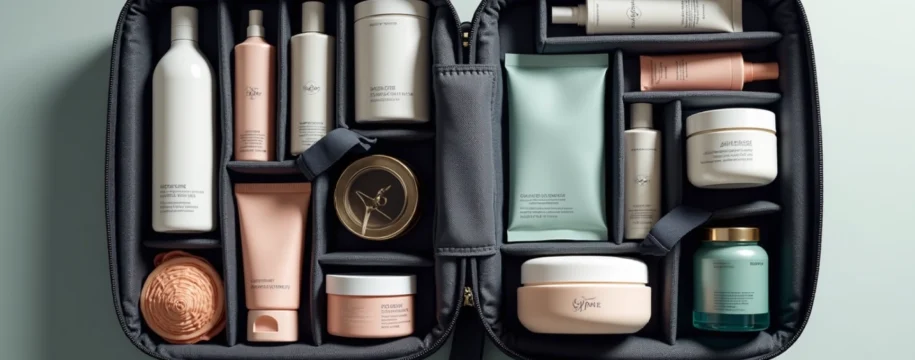
Efficient toiletry organisation transforms chaotic travel preparation into a streamlined process that saves both time and sanity. Whether you’re preparing for a weekend city break or an extended international journey, the way you structure and pack your personal care items directly impacts your travel experience. A well-organised toiletry bag eliminates the frustration of searching through tangled items whilst racing against departure schedules, reduces the risk of spills and contamination, and ensures compliance with increasingly complex aviation regulations. Modern travellers face unique challenges, from stringent liquid restrictions to space limitations in carry-on luggage, making systematic organisation more crucial than ever.
The art of toiletry organisation extends beyond simply throwing items into a bag. It requires understanding product compatibility, regulatory requirements, and personal usage patterns to create an efficient system that works consistently across different travel scenarios. Smart organisation prevents common issues such as leaked products contaminating clean clothing, forgotten essentials discovered at inconvenient moments, and time wasted searching for specific items during busy travel days.
Essential toiletry categorisation systems for travel efficiency
Effective toiletry organisation begins with understanding fundamental categorisation principles that govern how products should be grouped, stored, and accessed. The most successful systems combine regulatory compliance with practical accessibility, ensuring that your toiletries remain both legally compliant and functionally organised throughout your journey.
Liquid compliance categories for TSA and international aviation regulations
Aviation authorities worldwide maintain strict regulations governing liquid transportation, requiring travellers to understand which products fall under liquid restrictions. The familiar 3-1-1 rule applies to containers holding 100ml or less, placed within a single one-litre clear bag, with one bag permitted per passenger. However, many travellers remain unaware that this classification extends beyond obvious liquids to include gels, aerosols, creams, pastes, and even some solid products that contain liquid elements.
Products requiring liquid compliance include shampoo, conditioner, body wash, moisturisers, sunscreen, toothpaste, deodorant gels, perfumes, and surprisingly, items like mascara and lip gloss. Understanding these classifications prevents security delays and potential confiscation of expensive products. International regulations may vary slightly, with some European airports implementing advanced scanning technology that eliminates the need for separate liquid bags, whilst maintaining volume restrictions.
Solid product classification and contamination prevention protocols
Solid toiletries offer significant advantages for organised travel, including exemption from liquid restrictions and reduced spillage risk. However, proper classification and storage remain essential to prevent cross-contamination and maintain product integrity. Solid shampoo bars, soap bars, deodorant sticks, and powder-based cosmetics require specific handling protocols to maintain hygiene standards and prevent deterioration.
Effective solid product management involves using breathable storage containers that allow moisture evaporation whilst preventing contact with other items. Mesh bags, bamboo containers, and specially designed soap cases with drainage systems maintain product quality during travel. Additionally, understanding which products genuinely qualify as solids prevents misclassification that could result in security complications.
Temperature-sensitive product segregation methods
Temperature fluctuations during travel can significantly impact toiletry performance and safety, making thermal considerations crucial for optimal organisation. Products containing active ingredients, natural formulations, or specific chemical compounds may require temperature-controlled storage to maintain efficacy and prevent degradation or separation.
Heat-sensitive items include certain sunscreens, vitamin-based skincare products, natural oils, and organic formulations that may separate or lose potency when exposed to extreme temperatures. Conversely, some products may solidify or become difficult to dispense in cold conditions, requiring strategic placement within your luggage to maintain optimal temperatures. Consider using insulated pouches or positioning temperature-sensitive items away from external luggage walls where temperature fluctuations are most pronounced.
Frequency-based access hierarchy for daily essentials
Organising toiletries according to usage frequency creates an intuitive access system that streamlines daily routines and reduces handling time. This hierarchy-based approach positions frequently used items in easily accessible locations whilst storing occasional-use products in less prominent positions within your organisational system.
Daily essentials typically include toothbrush, toothpaste, deodorant, basic skincare items, and hair care products, which should occupy prime positions within your toiletry bag. Weekly or occasional items such as nail care tools, specialty treatments, or backup products can be stored in secondary compartments or less accessible areas. This systematic approach prevents unnecessary rummaging and maintains organisation throughout extended trips.
Advanced container selection and space optimisation techniques
Container selection forms the foundation of any successful toiletry organisation system, with choices directly impacting space efficiency, spillage prevention, and accessibility. The evolution of travel container technology has introduced numerous innovative solutions that maximise storage capacity whilst maintaining regulatory compliance and practical functionality.
Multi-compartment organiser systems with transparent visibility panels
Modern multi-compartment organisers feature sophisticated design elements that enhance both storage efficiency and product visibility. Transparent panels allow instant product identification without opening multiple compartments, whilst varied compartment sizes accommodate different product shapes and volumes. Quality organisers incorporate waterproof materials, reinforced zippers, and strategic ventilation to prevent moisture accumulation.
When selecting multi-compartment systems, consider compartment accessibility during use, with some designs offering detachable sections for enhanced flexibility. Hanging organisers provide excellent bathroom counter alternatives, particularly valuable in space-limited accommodations where surface area is premium. Look for systems with reinforced hanging mechanisms and balanced weight distribution to prevent tipping or falling.
Silicone travel bottle capacity ratios for extended trips
Silicone travel bottles offer superior flexibility and durability compared to rigid plastic alternatives, with capacity calculations requiring careful consideration of trip duration and usage patterns. Standard travel bottles range from 30ml to 100ml, with optimal capacity selection depending on product consistency, personal usage rates, and trip length.
For liquid products such as shampoo or body wash, 100ml typically provides 10-15 uses, whilst thicker consistency products like conditioner or moisturiser may offer 15-20 applications from the same volume. Understanding these ratios prevents both product shortage and unnecessary overpacking. Consider product concentration levels when calculating requirements, as some travel-specific formulations offer higher potency per application.
Silicone containers maintain flexibility in varying temperatures, resist cracking under pressure, and provide superior grip when hands are wet, making them ideal for shower environments.
Compression packing methodologies using Vacuum-Sealed pouches
Vacuum-sealed pouches revolutionise space utilisation for soft toiletry items, offering compression ratios that can reduce packed volume by 50-75%. These systems work particularly effectively for items such as cotton pads, makeup sponges, hair ties, and soft fabric accessories that occupy disproportionate space when loosely packed.
Effective compression packing requires understanding which items benefit from compression without damage. Delicate items or those requiring air circulation should avoid vacuum sealing, whilst robust items that can withstand compression offer excellent space-saving opportunities. Consider using graduated sizes of vacuum pouches to accommodate different item types and quantities.
Modular insert configuration for rigid case systems
Rigid case systems provide ultimate protection for valuable or fragile toiletry items, with modular inserts offering customisable storage solutions. These systems excel for travellers carrying premium skincare products, fragile containers, or electronic grooming devices requiring impact protection.
Modular configurations allow adjustment based on specific trip requirements, with inserts that can be reconfigured or removed entirely for different travel scenarios. Quality rigid systems incorporate shock-absorbing materials, waterproof seals, and secure locking mechanisms that prevent accidental opening during transport. Consider weight implications when selecting rigid systems, as protection benefits must be balanced against increased luggage weight.
Strategic product placement architecture for maximum accessibility
Strategic placement within your toiletry organisation system determines the practical success of your efforts, with careful consideration of usage patterns, product interactions, and access requirements creating an optimised storage architecture . The most effective placement strategies consider both daily routine requirements and emergency access needs, ensuring that critical items remain accessible even during rushed or stressful travel situations.
Primary placement zones should accommodate your most frequently accessed items, typically including oral care products, deodorant, and basic skincare essentials. These items benefit from front-compartment positioning or dedicated easy-access pockets that allow retrieval without disturbing other packed items. Secondary zones can house products used less frequently, such as specialty treatments, backup supplies, or occasion-specific items like formal event cosmetics.
Vertical placement strategies maximise space efficiency whilst maintaining accessibility, with taller items positioned at the back and shorter items toward the front creating a terraced effect. This arrangement prevents smaller items from becoming lost behind larger containers whilst ensuring that all products remain visible and accessible. Consider the weight distribution implications of your placement strategy, particularly for hanging organisers where uneven weight distribution can cause instability or tipping.
Cross-contamination prevention requires thoughtful separation of products that could interact negatively if mixed accidentally. Sharp items such as razors or nail scissors should be isolated from delicate containers that could be punctured, whilst products with strong fragrances should be separated from items that could absorb odours. Electronic items require protection from liquids through strategic placement in waterproof compartments or areas isolated from potential spill sources.
Leak prevention protocols and spillage containment solutions
Leak prevention represents one of the most critical aspects of toiletry organisation, with even minor spills capable of ruining clothing, electronics, or important documents packed nearby. Professional-grade containment strategies involve multiple layers of protection, from primary container selection through secondary containment systems and emergency response protocols.
Primary leak prevention begins with container quality assessment, focusing on seal integrity, thread compatibility, and pressure resistance. Screw-top containers provide superior seal reliability compared to flip-top or push-pull mechanisms, particularly for thin liquids that can penetrate small gaps. Testing containers before travel by filling with water and subjecting to gentle pressure reveals potential failure points before they become problems during transit.
Secondary containment systems provide crucial backup protection when primary containers fail, with various approaches offering different levels of protection and convenience. Individual product bagging using small zip-lock bags creates isolated containment for each item, preventing one leak from affecting multiple products. Alternatively, grouped containment using larger waterproof bags can protect categories of products whilst simplifying organisation.
Pressure changes during flight significantly increase leak risk, making additional precautions essential for air travel, including ensuring containers are not completely full to allow for liquid expansion.
Advanced containment solutions include specialised travel containers with multiple seal systems, pressure release valves, and built-in spillage collection areas. Some premium toiletry bags incorporate waterproof lining with sealed seams, creating a complete containment system that protects both packed toiletries and surrounding luggage contents. These systems prove particularly valuable for extended travel where replacement of damaged items may be difficult or expensive.
Emergency response protocols should be established before travel, including identification of absorbent materials, cleaning supplies, and replacement strategies. Packing small quantities of absorbent materials such as paper towels or microfibre cloths provides immediate response capability for minor spills, whilst understanding local replacement options for critical items reduces stress associated with product loss.
Weight distribution analysis for Carry-On compliance standards
Weight management in toiletry organisation extends beyond simple compliance with airline restrictions to encompass optimal weight distribution that maintains bag stability and reduces physical strain during transport. Understanding the relationship between product density, container weight, and placement strategy enables creation of balanced systems that remain manageable throughout extended travel periods.
Product weight analysis reveals significant variations in density between different toiletry categories, with some items contributing disproportionately to total weight. Water-based products such as shampoos and conditioners typically weigh approximately 1g per millilitre, whilst oil-based products and thick creams can exceed 1.2g per millilitre. Understanding these ratios helps predict total system weight and identify opportunities for weight reduction through product substitution or volume adjustment.
Container weight contribution often receives insufficient consideration, with some travel containers adding 20-50% additional weight compared to product content alone. Silicone containers typically offer the best weight-to-durability ratio, whilst rigid plastic containers may double the total weight of their contents. Glass containers, whilst offering superior chemical compatibility and reusability, may prove prohibitively heavy for weight-sensitive travel scenarios.
Strategic weight distribution prevents concentrated heavy spots that can cause bag instability or stress concentration points in luggage. Distributing heavy items across multiple compartments maintains balance, whilst positioning dense items toward the bottom of vertical storage systems creates a stable base. For hanging organisers, balanced weight distribution prevents swaying or tipping, particularly important in confined bathroom spaces where stability is crucial.
| Product Category | Average Weight per 100ml | Container Weight Addition | Optimisation Opportunity |
|---|---|---|---|
| Shampoo/Conditioner | 100-110g | 15-25g | Concentrate formulations |
| Body Wash/Lotion | 95-105g | 20-30g | Solid alternatives |
| Sunscreen | 110-130g | 25-35g | Powder formulations |
| Perfume/Cologne | 85-95g | 30-50g | Solid perfumes |
Weight optimisation strategies include prioritising multi-purpose products that eliminate redundancy, selecting concentrated formulations that require smaller volumes, and choosing lightweight container alternatives where possible. Some travellers find success with powder-based alternatives for products traditionally carried as liquids, such as shampoo powders, toothpaste tablets, and solid deodorants that offer equivalent functionality with significantly reduced weight.
Compliance verification should occur before departure, using accurate scales to confirm that packed weights remain within both individual container limits and total carry-on restrictions. Regular weight monitoring during extended trips helps identify accumulation patterns and adjustment opportunities, particularly important for travellers who acquire additional products during their journey. Understanding weight distribution allows for strategic repacking when necessary, ensuring that compliance is maintained whilst preserving organisational integrity.