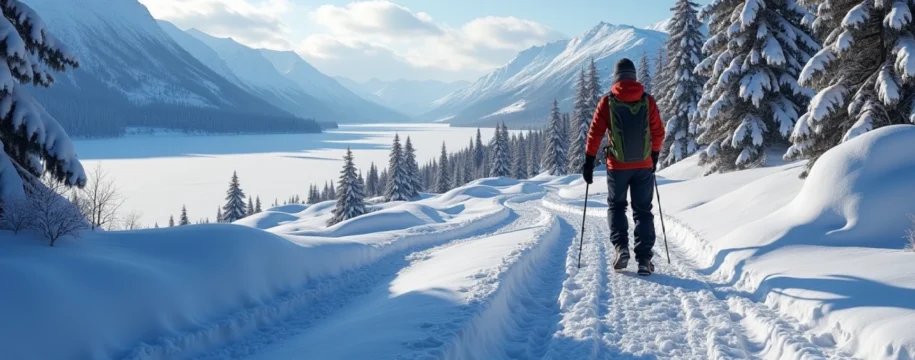
The northern regions of Scandinavia and the Arctic present some of the world’s most spectacular winter destinations, offering travellers unique experiences that simply cannot be replicated elsewhere. From the ethereal dance of the Aurora Borealis across Norwegian fjords to the pristine wilderness of Finnish Lapland, these destinations provide an extraordinary blend of natural phenomena, cultural immersion, and adventure activities. Planning a successful winter expedition to these regions requires careful consideration of numerous factors, from optimal timing for northern lights viewing to selecting appropriate thermal gear for sub-Arctic conditions. The logistics of travelling through snow-covered landscapes, combined with the need to maximise limited daylight hours, demands a strategic approach that balances adventure with safety and comfort.
Strategic destination selection for optimal winter experiences in scandinavia and arctic regions
Selecting the right destination forms the foundation of any successful northern winter holiday. Each region within Scandinavia and the Arctic Circle offers distinct advantages depending on your specific interests, activity preferences, and tolerance for extreme weather conditions. The key lies in understanding the unique characteristics of each area and aligning them with your expedition goals.
Winter in the Nordic countries extends from December through March, with each month offering different experiences. December and January provide the deepest winter conditions with minimal daylight, making them ideal for northern lights photography and cosy indoor activities. February offers a balance between winter activities and gradually increasing daylight hours, whilst March brings spring-like conditions with excellent skiing opportunities and more comfortable temperatures for outdoor adventures.
Norwegian fjords winter navigation: lofoten islands and tromsø aurora zones
Norway’s dramatic coastline presents some of Europe’s most accessible Arctic experiences. The Lofoten Islands emerge as a premier destination for winter photography enthusiasts, offering dramatic mountain peaks rising directly from the sea, creating stunning backdrops for aurora photography. The islands’ relatively mild winter temperatures, thanks to the Gulf Stream, make them more comfortable for extended outdoor activities compared to inland Arctic regions.
Tromsø stands as Norway’s unofficial northern lights capital, positioned at 69°N within the optimal viewing zone for Aurora Borealis activity. The city provides excellent infrastructure for winter visitors, including heated accommodation, reliable transportation networks, and professional aurora hunting tours. The surrounding region offers diverse activities from dog sledding expeditions to Sami cultural experiences, making it an ideal base for multi-day Arctic adventures.
Finnish lapland wilderness access: rovaniemi and saariselkä snow activity corridors
Finnish Lapland represents the quintessential Arctic wilderness experience, with vast expanses of snow-covered forests and frozen lakes. Rovaniemi serves as the gateway to authentic Lapland experiences, offering direct flights from major European cities and serving as the official hometown of Santa Claus. The city provides excellent access to husky safaris, reindeer farms, and traditional Sami settlements.
Saariselkä, located further north, offers more extreme Arctic conditions with temperatures regularly dropping below -20°C. This region excels for serious winter sports enthusiasts seeking challenging cross-country skiing routes and snowshoeing expeditions. The area’s remote location ensures minimal light pollution, creating optimal conditions for northern lights observation and astrophotography.
Icelandic ring road winter feasibility: reykjavik to jökulsárlón glacier lagoon
Iceland’s dramatic landscapes become even more spectacular during winter months, with frozen waterfalls, glacier tongues, and volcanic hot springs creating otherworldly scenery. The Ring Road remains partially accessible during winter, though travellers must be prepared for challenging driving conditions and weather-related road closures. The route from Reykjavik to Jökulsárlón Glacier Lagoon showcases Iceland’s diverse winter landscapes within a manageable timeframe.
Winter Iceland offers unique opportunities for ice cave exploration, with crystal-blue glacier caves accessible only during the coldest months when ice formations are stable. The country’s geothermal activity provides natural hot springs and pools, creating the surreal experience of bathing in warm waters whilst surrounded by snow-covered landscapes.
Swedish archipelago Cold-Weather logistics: stockholm to kiruna ice hotel circuit
Sweden’s diverse geography allows for comprehensive winter experiences ranging from urban cultural activities in Stockholm to extreme Arctic adventures in Kiruna. The famous Ice Hotel, reconstructed annually from Torne River ice, represents one of the world’s most unique accommodation experiences. The journey northward through Sweden’s interior showcases the country’s vast wilderness areas and traditional Sami territories.
The Swedish Lapland region offers excellent infrastructure for winter activities, with well-maintained trails for cross-country skiing, snowshoeing routes through pristine forests, and professional guides for wilderness expeditions. The area’s relatively stable weather patterns make it ideal for multi-day outdoor adventures with predictable conditions.
Advanced winter gear procurement and thermal management systems
Surviving and thriving in Arctic conditions requires sophisticated understanding of thermal management and appropriate gear selection. The difference between an enjoyable winter adventure and a potentially dangerous situation often comes down to proper equipment choices and layering strategies. Modern winter gear technology has advanced significantly, offering lightweight yet highly effective solutions for extreme cold weather conditions.
Layered insulation technology: merino wool base layers and down fill power ratings
The foundation of effective cold weather dressing begins with high-quality base layers. Merino wool base layers provide superior moisture-wicking properties whilst maintaining warmth even when damp, making them essential for active winter pursuits. Unlike synthetic alternatives, merino wool naturally resists odour buildup, allowing for extended wear during multi-day expeditions without compromising comfort or hygiene.
Understanding down fill power ratings becomes crucial when selecting insulating layers. Down with 700-800 fill power provides excellent warmth-to-weight ratios suitable for most Arctic conditions, whilst 800+ fill power down offers maximum insulation for extreme cold environments. Synthetic insulation alternatives perform better in wet conditions but generally provide less warmth per weight compared to high-quality down products.
Footwear traction solutions: microspikes, crampons and waterproof boot specifications
Arctic footwear systems require multiple components working together to provide warmth, waterproofing, and traction on various winter surfaces. Quality winter boots should feature ratings for temperatures at least 10°C below expected conditions, waterproof membranes like Gore-Tex, and removable liners for drying and temperature regulation.
Traction devices become essential safety equipment on icy surfaces. Microspikes provide excellent grip for general winter walking and light hiking, whilst crampons offer superior performance for serious ice climbing or glacier travel. Yaktrax-style coil devices serve well for urban winter conditions but lack the aggressive traction needed for wilderness activities.
Cold-weather photography equipment: battery performance and lens condensation prevention
Photography equipment faces unique challenges in Arctic conditions, with battery performance dropping significantly in sub-zero temperatures. Modern lithium-ion batteries can lose 50% or more of their capacity at -20°C, making backup power sources and warming strategies essential for extended shooting sessions.
Lens condensation prevention requires careful temperature transition management. Moving equipment from cold outdoor conditions to warm indoor environments can cause damaging condensation to form on internal lens elements. Professional photographers use sealed storage bags and gradual warming techniques to prevent moisture damage whilst maintaining equipment functionality throughout temperature transitions.
Emergency shelter systems: bivvy sacks and portable heating device classifications
Emergency shelter capabilities can prove lifesaving during unexpected weather changes or equipment failures in remote Arctic regions. Modern bivvy sacks constructed with breathable waterproof materials provide emergency shelter whilst maintaining minimal pack weight and bulk. These systems work particularly well when combined with high-quality sleeping bags rated for extreme conditions.
Portable heating devices range from simple chemical hand warmers to sophisticated fuel-burning stoves capable of heating small shelters. Catalytic heaters provide safe indoor heating options that don’t produce dangerous carbon monoxide levels, whilst traditional fuel stoves offer cooking capabilities alongside heating functions for comprehensive camp systems.
Extreme weather activity scheduling and aurora borealis prediction
Successful winter expeditions in northern regions require sophisticated weather monitoring and activity scheduling strategies. The extreme conditions and limited daylight hours of Arctic winter create narrow windows for optimal activity participation. Understanding weather patterns, aurora prediction methods, and activity-specific requirements enables travellers to maximise their expedition experiences whilst maintaining safety margins.
Kp-index monitoring and solar wind density forecasting for northern lights
Aurora Borealis prediction relies on understanding solar activity and its interaction with Earth’s magnetic field. The KP-Index measures geomagnetic disturbance levels on a scale from 0-9, with higher values indicating stronger aurora activity. For northern Scandinavian locations, KP-Index values of 3-4 typically produce visible aurora displays, whilst values above 5 create spectacular multi-coloured shows extending further south.
Solar wind density and velocity measurements provide additional accuracy for aurora forecasting. Dense, fast-moving solar wind particles interact more dramatically with Earth’s magnetosphere, creating enhanced aurora displays. Professional aurora hunting guides monitor multiple data sources including NOAA space weather predictions, real-time magnetometer readings, and local weather conditions to optimise viewing opportunities.
Modern space weather monitoring systems can provide aurora forecasts up to three days in advance, though accuracy decreases significantly beyond 24-hour predictions due to the dynamic nature of solar activity and atmospheric conditions.
Snowshoe trail difficulty assessment: avalanche risk zones and trail marking systems
Snowshoeing presents one of the most accessible winter activities for travellers of varying fitness levels, yet proper trail selection remains crucial for safety and enjoyment. Trail difficulty assessment considers factors including elevation gain, distance, avalanche risk, and navigation complexity. European avalanche warning systems use five-level scales indicating current snow stability conditions in mountain regions.
Understanding international trail marking systems prevents navigation errors in unfamiliar terrain. Scandinavian trail markers typically use red painted blazes on trees or rocks for main routes, with yellow markers indicating side trails or alternate routes. Winter-specific markers account for snow depth changes that can obscure summer trail markers, requiring elevated signage systems.
Cross-country skiing route planning: groomed track networks in finnish national parks
Finnish national parks maintain extensive networks of groomed cross-country skiing tracks ranging from beginner-friendly loops to challenging wilderness routes. These tracks follow international standards with separate lanes for classic and skate skiing techniques. Track conditions are updated daily during peak season, with information available through official park websites and local visitor centres.
Route planning for cross-country skiing expeditions requires consideration of daylight hours, warming hut locations, and emergency evacuation access. Finnish wilderness huts provide shelter and cooking facilities at regular intervals along major routes, though advance booking may be required during peak periods. GPS navigation becomes essential for longer routes where poor visibility can obscure trail markers.
Ice fishing licence requirements: sweden’s allemansrätten and norway’s fishing regulations
Ice fishing regulations vary significantly between Scandinavian countries, requiring careful research before engaging in this popular winter activity. Sweden’s Allemansrätten (Right to Roam) allows free ice fishing in most natural water bodies, though some restrictions apply near populated areas and privately owned waters. This traditional right provides excellent opportunities for independent ice fishing expeditions throughout Swedish Lapland.
Norwegian fishing regulations require licences for most fresh water fishing activities, including ice fishing. Daily, weekly, and seasonal permits can be purchased online or at local sporting goods stores, with prices varying by region and water body. Salmon and trout fishing face additional restrictions and higher permit costs due to conservation concerns in specific watersheds.
Arctic accommodation booking strategies and transportation networks
Arctic accommodation ranges from luxury ice hotels to traditional wilderness cabins, each offering unique advantages for different types of winter expeditions. Understanding accommodation categories, booking timing strategies, and transportation connections becomes crucial for expedition planning. The remote nature of many Arctic destinations means limited accommodation availability during peak season, requiring advance planning and flexible booking strategies.
Transportation networks in northern regions operate under challenging conditions with weather-dependent schedules and limited frequency during winter months. Domestic flights within Scandinavia provide access to remote destinations but face regular weather-related cancellations. Ground transportation relies heavily on well-maintained road networks, though many destinations require additional transfers via snowmobile, dog sled, or specialised Arctic vehicles.
Accommodation booking strategies should account for cancellation policies related to weather conditions and transportation disruptions. Many Arctic accommodations offer flexible booking terms during winter months, recognising the unpredictable nature of weather and transportation in these regions. Early booking discounts can provide significant savings whilst securing preferred accommodation types during peak aurora seasons.
Luxury accommodation options include famous establishments like the Ice Hotel in Swedish Lapland, offering unique experiences in rooms carved entirely from ice. These specialised accommodations typically operate from December through March, with limited availability requiring bookings months in advance. Standard amenities may be limited in ice accommodations, with shared facilities for bathrooms and warming areas.
Traditional wilderness cabins provide authentic Arctic experiences with basic amenities including wood-burning stoves, simple cooking facilities, and sleeping accommodations for small groups. These cabins often require guests to carry their own bedding and food supplies.
Transportation planning must account for the interconnected nature of Scandinavian transport systems. Major cities like Stockholm, Oslo, and Helsinki serve as primary gateways with onward connections via domestic flights, trains, and bus services. Arctic destinations often require multiple transport modes, with final access via specialised Arctic vehicles or guided tours from transportation hubs.
Cultural immersion techniques in sami heritage sites and local winter festivals
The indigenous Sami people represent Europe’s only recognised indigenous population, with rich cultural traditions spanning across northern Norway, Sweden, Finland, and northwestern Russia. Winter provides optimal opportunities for Sami cultural immersion, as traditional activities like reindeer herding, handicraft production, and storytelling traditions continue throughout the cold months. Understanding and respecting Sami cultural protocols enhances the authenticity and meaningfulness of cultural encounters during northern expeditions.
Sami cultural sites include traditional villages, museums, and active reindeer herding operations that welcome respectful visitors. Traditional lavvu tents provide authentic accommodation experiences whilst supporting indigenous cultural preservation efforts. Many Sami communities offer guided experiences including reindeer sledding, traditional craft workshops, and storytelling sessions around open fires under the northern lights.
Winter festivals throughout Scandinavia celebrate local traditions whilst providing unique cultural experiences for visitors. Norway’s Northern Lights Festival in Tromsø combines classical music performances with aurora viewing opportunities, creating sophisticated cultural events in Arctic settings. The Sami National Day celebrations in February showcase traditional clothing, music, and cultural practices across all Sami territories.
Language learning opportunities enhance cultural immersion experiences, with basic Sami phrases showing respect for indigenous traditions. Many cultural sites provide educational materials about Sami history, traditional land use practices, and contemporary challenges facing indigenous communities in modern Scandinavia. Photography protocols at cultural sites require permission and sensitivity to sacred or private activities.
Traditional Sami handicrafts including duodji woodworking, silver jewellery, and woven textiles provide meaningful souvenirs whilst supporting indigenous artisans. Learning about the cultural significance of traditional designs and materials adds depth to craft appreciation and purchase decisions. Many artisans offer workshops where visitors can learn basic techniques whilst gaining insight into cultural traditions behind the crafts.
Budget optimization methods for extended nordic winter expeditions
Nordic countries consistently rank among the world’s most expensive destinations, with costs significantly elevated during peak winter tourism seasons. Strategic budget planning becomes essential for extended winter expeditions, requiring careful analysis of accommodation, transportation, activity, and meal costs. Understanding regional price variations, seasonal fluctuations, and cost-saving opportunities enables travellers to maximise expedition value whilst maintaining comfort and safety standards.
Accommodation represents the largest expense category for most winter expeditions, with luxury ice hotels and remote wilderness lodges commanding premium prices during peak aurora seasons. Alternative accommodation strategies include booking standard hotels in larger towns with day trips to premium destinations, staying in hostels or guesthouses that cater to outdoor enthusiasts, or arranging cabin rentals for group expeditions that include cooking facilities.
Transportation costs can be minimised through strategic routing and advance booking strategies. Domestic flights within Scandinavia offer competitive pricing when booked well in advance, though weather-related cancellations may require flexible tickets. Ground transportation costs vary significantly between countries, with Norway being particularly expensive for rental cars and fuel, whilst Sweden and Finland offer more reasonable pricing for extended road trips.
Activity costs range from free experiences like hiking and northern lights viewing to expensive guided expeditions including dog sledding and helicopter tours. Many destinations offer activity packages that provide better value than individual bookings,
particularly when combined with self-catering accommodation options that reduce meal expenses. Free activities include snowshoeing on marked trails, cross-country skiing on public tracks, and aurora photography from accessible viewpoints.
Meal planning strategies significantly impact expedition budgets, with restaurant dining in Nordic countries often exceeding €30-50 per person for basic meals. Self-catering approaches using local supermarkets can reduce daily food costs by 60-70%, particularly when staying in accommodations with kitchen facilities. Local markets offer fresh Nordic ingredients including reindeer, salmon, and seasonal vegetables that provide authentic culinary experiences at reasonable prices.
Seasonal timing affects pricing across all expense categories, with shoulder seasons offering substantial savings whilst maintaining good weather conditions for winter activities. Late January through early March provides optimal value, avoiding both Christmas premium pricing and spring break surcharges. Mid-week travel consistently offers better pricing than weekend arrivals, particularly for accommodation and guided activities.
Group travel arrangements create significant cost-saving opportunities through shared accommodation, transportation, and activity bookings. Many Arctic accommodations offer better per-person rates for groups of 4-6 people, whilst guided activities often provide group discounts for parties of 6 or more participants. Splitting rental car costs and fuel expenses among group members dramatically reduces individual transportation expenses for self-drive expeditions.
Currency fluctuations between the Euro, Norwegian Krone, Swedish Krona, and Icelandic Krona can impact expedition costs significantly. Multi-currency travel cards offer better exchange rates than traditional bank cards whilst eliminating foreign transaction fees. Monitoring exchange rates and purchasing currency during favourable periods can provide additional savings for budget-conscious travellers planning extended Nordic adventures.
Strategic equipment rental rather than purchase makes financial sense for occasional winter travellers, with quality Arctic gear rentals available in major Nordic destinations at daily rates significantly lower than purchase prices for specialised equipment like avalanche transceivers, high-end winter boots, and extreme cold weather clothing systems.
Travel insurance becomes particularly important for Nordic winter expeditions due to high medical and evacuation costs in remote Arctic regions. Comprehensive policies covering winter sports activities, weather-related cancellations, and emergency evacuation can prevent catastrophic expenses that could exceed the entire expedition budget. Many insurers offer Nordic-specific policies that understand the unique risks and requirements of Arctic winter travel.
Loyalty programmes and membership discounts provide ongoing value for frequent Nordic travellers. Scandinavian airline loyalty programmes offer significant benefits including priority booking, upgrade opportunities, and reduced baggage fees for winter sports equipment. Youth hostelling associations provide accommodation discounts across Nordic countries, whilst outdoor club memberships often include equipment rental discounts and guided activity reductions.
Budget tracking applications help monitor expedition expenses in real-time, preventing cost overruns during extended travels. Many apps provide currency conversion features and expense categorisation that simplifies financial management across multiple countries with different currencies. Setting daily spending limits and tracking against budgets ensures expeditions remain within planned financial parameters whilst maximising experiential value.