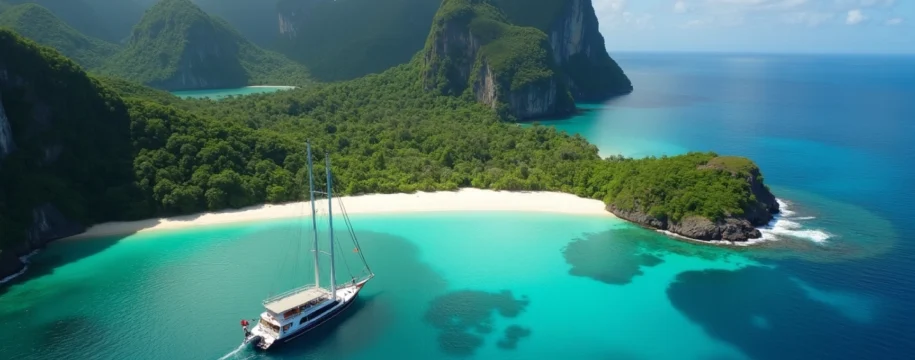
Northern Palawan’s crown jewels, Coron and El Nido, attract millions of visitors annually with their pristine lagoons and limestone karst formations. However, beyond the Instagram-famous hotspots lies a vast network of untouched wilderness areas, indigenous communities, and conservation zones that offer transformative experiences for adventurous travellers. These hidden corners of the Calamianes group showcase the Philippines’ remarkable biodiversity whilst providing authentic cultural encounters that extend far beyond conventional island-hopping circuits.
The challenge for discerning travellers lies in accessing these remote locations responsibly whilst supporting local conservation efforts and indigenous communities. Sustainable exploration requires careful planning, appropriate permits, and collaboration with certified local guides who understand the delicate balance between tourism and environmental preservation. The rewards, however, include encounters with endemic species, pristine coral systems, and cultural traditions that have remained unchanged for centuries.
Remote island hopping routes beyond mainstream palawan tourism circuits
The conventional Tour A and Tour C packages represent merely a fraction of what the Calamianes archipelago offers to determined explorers. Professional outfitters now provide access to restricted marine protected areas and uninhabited islands that require special permits and advanced booking. These exclusive routes often involve multi-day expeditions using traditional bancas equipped with camping gear, allowing visitors to experience the archipelago’s natural rhythms without time constraints imposed by day-trip schedules.
Culion island’s historic leprosarium and pristine marine sanctuaries
Culion Island presents a compelling blend of historical significance and marine conservation success stories. The former leprosarium, operational from 1906 to 1998, has been transformed into a world-class museum and research centre. Medical tourism enthusiasts and history buffs can arrange private tours of the renovated facilities, including the original laboratory where groundbreaking leprosy research was conducted.
The island’s marine sanctuaries benefit from decades of protection, resulting in exceptionally healthy coral ecosystems. Local dive operators offer technical diving packages to explore walls that plunge beyond 40 metres, where pelagic species congregate during seasonal migrations. The sanctuary zones require advance permits and certified guide accompaniment, but provide access to some of the Philippines’ most pristine underwater environments.
Busuanga’s hidden coves via traditional bancas from salvacion port
Salvacion Port serves as the departure point for expeditions to Busuanga’s northern coastline, where traditional fishing communities maintain access to secluded coves inaccessible by conventional tour boats. These areas feature extensive seagrass meadows that support dugong populations and serve as nursery grounds for commercially important fish species. Local fishermen, working through community-based tourism initiatives, provide guided tours using traditional bancas whilst sharing knowledge about sustainable fishing practices and marine conservation.
The journey requires flexibility regarding weather conditions and tidal patterns, as these remote coves are only accessible during specific conditions. Advanced booking through accredited community tourism organisations ensures proper coordination with local authorities and conservation groups. Visitors can participate in citizen science projects, including seagrass monitoring and marine debris removal initiatives.
Linapacan archipelago’s untouched coral gardens and sandbar networks
The Linapacan group comprises over 40 islands, most of which remain uninhabited and rarely visited by commercial tour operations. The archipelago’s coral gardens rank among the most biodiverse in the Coral Triangle, supporting over 400 species of hard and soft corals. Professional marine biologists and underwater photographers can arrange research expeditions through academic institutions, gaining access to study sites typically closed to recreational visitors.
Sandbar networks throughout the archipelago shift seasonally, creating temporary islands that serve as critical nesting sites for seabirds and marine turtles. Wildlife photography enthusiasts can coordinate visits during specific seasonal windows, working with local conservation groups to minimise disturbance to sensitive species. These expeditions require camping equipment and self-sufficiency for multiple days.
Balabac island wildlife sanctuary access through local conservation programmes
Balabac Island represents one of the Philippines’ most significant conservation success stories, protecting endemic species including the Balabac mouse-deer and Philippine crocodile. Access requires coordination with the Protected Area Management Board and participation in authorised research or conservation programmes. Visitors contribute to ongoing wildlife monitoring projects whilst experiencing one of Southeast Asia’s most pristine island ecosystems.
The island’s location at the southern tip of Palawan creates unique biogeographical conditions, supporting species found nowhere else on Earth. Conservation volunteers can participate in multi-week programmes that include habitat restoration, wildlife surveys, and community education initiatives. These programmes provide unparalleled access to restricted areas whilst supporting crucial conservation work.
Authentic Community-Based tourism experiences in northern palawan villages
Northern Palawan’s indigenous communities have developed sophisticated tourism programmes that provide cultural exchange opportunities whilst preserving traditional lifeways. These initiatives represent collaborative efforts between local communities, academic institutions, and conservation organisations to create sustainable income sources that don’t compromise cultural integrity. Participants gain insights into traditional ecological knowledge systems that have sustained these communities for millennia.
The integration of traditional knowledge with modern conservation science creates powerful synergies that benefit both local communities and global biodiversity conservation efforts.
Tagbanua indigenous cultural immersion in coron’s highland barangays
The Tagbanua people maintain traditional territories throughout Coron Island’s interior highlands, where ancestral domain rights protect both cultural practices and biodiversity. Cultural immersion programmes arrange homestays in traditional houses, participation in subsistence activities, and learning sessions about traditional medicine and environmental stewardship. These experiences require advance coordination through tribal councils and respect for cultural protocols.
Traditional ecological knowledge shared during these programmes includes sustainable harvesting techniques for medicinal plants, traditional navigation methods, and seasonal calendar systems based on astronomical observations. Anthropological research opportunities exist for qualified students and researchers through partnerships with academic institutions. Participants contribute to documentation efforts that help preserve indigenous knowledge systems.
Calamianes traditional fishing techniques with local maritime communities
Coastal communities throughout the Calamianes maintain traditional fishing methods that have proven sustainable over generations. Visitors can participate in dawn fishing expeditions using traditional gear, learning about seasonal patterns, moon phases, and weather prediction techniques passed down through oral traditions. These programmes provide direct income to fishing families whilst educating visitors about marine stewardship.
Traditional techniques include fish aggregating device construction, selective fishing methods that avoid juvenile fish, and community-based resource management systems. Sustainable fisheries researchers can access data spanning decades of catch records maintained by community organisations. These programmes often include traditional boat-building workshops and net repair sessions.
El nido’s bacuit archipelago folklore tours led by resident storytellers
Elder community members throughout the Bacuit Archipelago maintain oral traditions that include creation myths, navigation legends, and historical accounts of early settlement patterns. Storytelling tours combine traditional banca journeys with evening sessions where master storytellers share folklore in local dialects with translation provided. These programmes support cultural preservation whilst providing intimate insights into local worldviews.
Stories often include practical environmental knowledge embedded in mythological frameworks, such as seasonal wind patterns, marine animal behaviour, and sacred site locations. Ethnographic documentation projects provide opportunities for researchers to contribute to cultural preservation efforts whilst learning from traditional knowledge holders. Tours typically conclude with traditional music and dance performances.
Sustainable livelihood projects in remote sitios of taytay municipality
Taytay Municipality’s remote sitios have developed innovative sustainable livelihood programmes that combine traditional crafts with modern market access. Visitors can participate in traditional weaving workshops, organic farming projects, and sustainable aquaculture initiatives that provide alternative income sources to destructive fishing practices. These programmes demonstrate successful models for community-based conservation.
Projects include traditional textile production using natural dyes, organic vegetable cultivation, and integrated farming systems that combine terrestrial and aquatic elements. Development practitioners can observe successful implementation of community-driven initiatives that have achieved measurable conservation and livelihood outcomes. Participation includes hands-on involvement in daily activities and evening discussions about project challenges and successes.
Advanced cave systems and underground river networks beyond tourist trails
Northern Palawan’s limestone geology creates extensive cave systems that remain largely unexplored, offering opportunities for experienced cavers and speleologists. These underground networks often connect to marine environments, creating unique ecological niches that support endemic species adapted to subterranean conditions. Access requires technical caving skills, proper equipment, and coordination with local authorities who manage these fragile environments.
Recent geological surveys have identified over 200 cave systems throughout the region, with many featuring underground rivers, cathedral chambers, and unique speleothem formations. Speleological research opportunities exist through partnerships with international cave exploration societies and local universities. These expeditions contribute to ongoing mapping efforts whilst documenting previously unknown species and geological features.
Cave systems often hold archaeological significance, containing evidence of early human habitation and traditional burial sites that require respectful treatment and proper archaeological protocols. Some caves maintain spiritual significance for indigenous communities, necessitating cultural sensitivity and appropriate permissions. Technical challenges include navigating tight passages, underground river crossings, and vertical sections requiring rope work.
The underground river networks support unique ecosystems that include blind cave fish, endemic invertebrates, and specialised plant communities adapted to low-light conditions. Biodiversity surveys within these systems have revealed numerous species new to science, highlighting the importance of protecting these environments. Water quality monitoring within cave systems provides insights into broader watershed health and groundwater contamination threats.
Professional photography and marine research opportunities in protected areas
Northern Palawan’s protected areas provide exceptional opportunities for professional photographers and marine researchers to document biodiversity whilst contributing to conservation efforts. These programmes combine scientific research with visual documentation, creating resources that support both academic understanding and public education initiatives. Participants work alongside established researchers whilst gaining access to restricted areas typically closed to recreational visitors.
Marine research stations throughout the region welcome qualified photographers and researchers for extended residencies that allow comprehensive documentation of seasonal cycles and behavioural patterns. Underwater photography opportunities include documenting spawning aggregations, coral restoration projects, and endangered species monitoring. These programmes often result in publishable research and exhibition-quality imagery that advances conservation messaging.
Professional photography expeditions focus on documenting endemic species, traditional cultural practices, and conservation success stories that can be used for educational and advocacy purposes. Participants work with local communities to ensure culturally appropriate representation whilst creating compelling visual narratives. Technical challenges include working in challenging lighting conditions, unpredictable weather, and sensitive wildlife situations.
Research opportunities span multiple disciplines including marine biology, ecology, anthropology, and conservation science. Graduate students and established researchers can access long-term datasets maintained by local institutions whilst contributing to ongoing monitoring programmes. Collaborative projects often result in peer-reviewed publications that advance scientific understanding of tropical marine ecosystems.
Overland adventure routes through palawan’s interior mountain ranges
Palawan’s mountainous interior offers challenging overland routes that traverse primary forest ecosystems, traditional territories, and geological formations found nowhere else in the Philippines. These expeditions require advanced planning, proper permits, and experienced guides familiar with remote terrain and emergency protocols. The rewards include encounters with endemic wildlife, pristine watersheds, and traditional communities maintaining subsistence lifestyles.
Mount tapyas alternative summit approaches via decalachao trail
While Mount Tapyas attracts thousands of visitors via the conventional stepped approach, the Decalachao Trail provides a challenging alternative that passes through primary forest and traditional Tagbanua territories. This route requires advance permission from tribal councils and follows ancient pathways used for traditional hunting and gathering activities. Experienced hikers can arrange guided expeditions that combine physical challenge with cultural education.
The trail system connects multiple peaks and provides access to hidden waterfalls, natural swimming pools, and panoramic viewpoints rarely photographed. Traditional guides share knowledge about medicinal plants, wildlife tracking, and navigation techniques based on natural landmarks. The route typically requires 2-3 days with camping in designated areas that minimise environmental impact.
El Nido-Taytay overland trek through primary forest corridors
The overland connection between El Nido and Taytay traverses critical wildlife corridors that support large mammals and migratory bird species. This challenging trek requires multiple permits and coordination with indigenous communities whose territories the route crosses. Wildlife enthusiasts can potentially observe Philippine pangolins, Palawan binturongs, and over 15 endemic bird species during the 4-5 day journey.
Traditional campsites along the route provide opportunities for cultural exchange with Tagbanua and Batak communities who maintain traditional forest management practices. The trek includes river crossings, steep terrain, and areas with limited visibility that require experienced navigation skills. Participants contribute to ongoing wildlife monitoring through citizen science programmes.
Cleopatra’s needle technical climbing routes for advanced mountaineers
Cleopatra’s Needle represents one of Southeast Asia’s most challenging limestone climbing destinations, featuring technical routes that require advanced rock climbing skills and specialised equipment. The spire’s isolation and difficult access limit attempts to serious mountaineers with extensive tropical climbing experience. Technical climbers can arrange expeditions through certified guide services that provide local route knowledge and emergency support.
Climbing seasons depend on weather patterns and bird nesting cycles, as the spire supports important seabird colonies that require protection during breeding periods. Route establishment follows strict environmental protocols to minimise impact on fragile limestone formations and endemic plant communities. Success requires multi-day approaches through challenging terrain and excellent rock climbing skills.
Seasonal wildlife migration patterns and endemic species tracking
Northern Palawan’s location within major migration flyways and its isolation from mainland Asia has created unique opportunities for observing both migratory and endemic species. Seasonal patterns bring predictable wildlife encounters that can be timed for optimal viewing opportunities. Professional naturalists and wildlife photographers can access detailed phenology data maintained by local research stations to plan expeditions around peak activity periods.
Endemic species tracking programmes provide opportunities for citizen scientists to contribute to long-term monitoring datasets whilst observing species found nowhere else on Earth. The Palawan peacock-pheasant, Philippine mouse-deer, and over 30 endemic bird species require specialised knowledge and patience to observe in natural settings. Ornithological expeditions during migration periods can yield sightings of over 100 species in optimal conditions.
| Species | Best Viewing Season | Primary Habitat | Conservation Status |
|---|---|---|---|
| Palawan Peacock-pheasant | March-May | Primary forest | Vulnerable |
| Philippine Mouse-deer | Year-round | Dense undergrowth | Endangered |
| Palawan Hornbill | June-August | Canopy level | Vulnerable |
| Blue-naped Parrot | September-November | Forest edge | Near Threatened |
Marine wildlife patterns include seasonal aggregations of manta rays, whale shark migrations, and sea turtle nesting cycles that can be predicted with considerable accuracy. Marine wildlife tourism requires careful timing and appropriate protocols to minimise disturbance to sensitive species. Research programmes often welcome qualified volunteers to assist with data collection and monitoring activities.
Traditional ecological calendars maintained by indigenous communities provide insights into wildlife patterns based on centuries of observation. These knowledge systems often predict wildlife behaviour with remarkable accuracy, incorporating environmental cues that modern science is only beginning to understand. Collaborative monitoring programmes that combine traditional knowledge with modern techniques provide the most comprehensive understanding of local wildlife patterns.