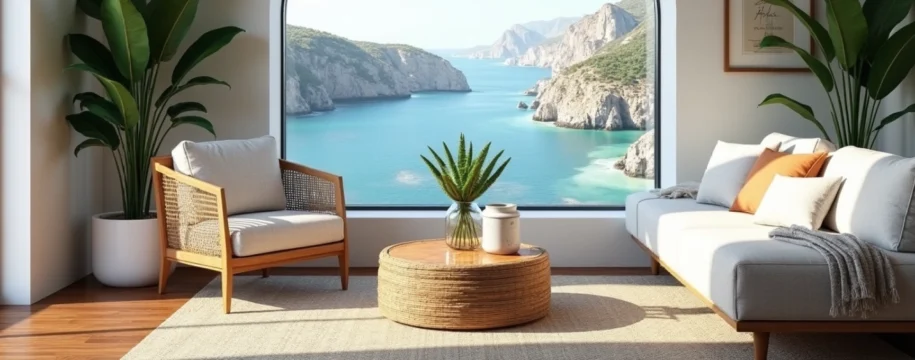
The wanderlust that accompanies every memorable journey doesn’t have to end when you unpack your suitcase. Transform your living space into a reflection of the extraordinary places you’ve visited or dream of exploring by incorporating travel-inspired design elements that capture the essence of your favourite destinations. From the sun-bleached walls of Santorini to the minimalist elegance of Japanese ryokans, the world offers an endless palette of design inspiration that can transform any home into a personal sanctuary filled with memories and aspirations. Whether you’re drawn to the vibrant markets of Morocco, the serene landscapes of Scandinavia, or the lush tropical paradises of Southeast Asia, your interiors can become a passport to these beloved places, allowing you to experience their magic every single day.
Mediterranean coastal design elements for living spaces
The Mediterranean region offers some of the most captivating design inspiration for those seeking to bring coastal charm into their homes. This timeless aesthetic combines natural materials, sun-faded colours, and architectural elements that have been perfected over centuries of coastal living. The key to successfully implementing Mediterranean design lies in understanding how light, texture, and colour work together to create spaces that feel both relaxed and sophisticated.
Santorini blue and white colour palettes in modern interiors
The iconic blue and white colour scheme of Santorini creates an instantly recognisable aesthetic that brings the tranquillity of the Aegean Sea into your home. This classic combination works particularly well in kitchens and bathrooms, where the crisp contrast evokes the feeling of Mediterranean coastal living. Consider painting kitchen cabinets in a deep cobalt blue whilst maintaining white marble or quartz countertops to recreate that distinctive Greek island atmosphere.
For living spaces, incorporate this palette through soft furnishings and accessories rather than overwhelming wall treatments. Navy blue cushions against white linen sofas, ceramic vases in varying shades of blue, and artwork featuring seascapes can establish the theme without committing to permanent changes. The beauty of this colour scheme lies in its versatility – you can adjust the intensity of blues from powder soft to deep navy depending on the mood you wish to create.
Terracotta and natural stone textures from tuscan villages
Tuscan design elements bring warmth and earthiness that contrasts beautifully with cooler Mediterranean blues. Terracotta tiles, whether used as flooring or as decorative accents, instantly transport you to the rolling hills of Italy. These clay-based materials age beautifully, developing character and patina that enhance their authentic appearance over time.
Natural stone textures can be incorporated through exposed brick walls, limestone mantels, or travertine bathroom surfaces. If structural changes aren’t feasible, consider stone-effect wall panels or textured paint finishes that mimic the appearance of aged plaster found in Italian farmhouses. These materials work exceptionally well when paired with wrought iron fixtures and warm wood tones.
Whitewashed wall treatments inspired by greek island architecture
The distinctive whitewashed walls of Greek islands serve both practical and aesthetic purposes, reflecting harsh sunlight whilst creating a clean, serene backdrop for daily life. Recreating this effect in your home involves more than simply painting walls white – it requires understanding the texture and finish that gives these surfaces their characteristic appeal.
Achieve authentic whitewashed walls using lime paint or specialised chalky paint finishes that create subtle texture variations. Layer different shades of white and off-white to build depth, and don’t aim for perfect uniformity. The slightly imperfect, hand-painted appearance is what gives whitewashed walls their charm and authenticity.
Coastal driftwood furniture integration techniques
Driftwood furniture captures the essence of Mediterranean coastal living through its weathered textures and organic forms. These pieces bring the raw beauty of the shoreline indoors, creating focal points that tell stories of sun, salt, and sea. Coffee tables crafted from reclaimed driftwood, floating shelves made from weathered planks, and mirror frames constructed from coastal timber all contribute to an authentic Mediterranean aesthetic.
When selecting driftwood pieces, prioritise functionality alongside aesthetic appeal. A well-crafted driftwood dining table can serve as a stunning centrepiece whilst providing practical value for years to come. Balance these natural elements with more refined pieces to prevent the space from feeling too rustic or unfinished.
Asian-inspired zen aesthetics and minimalist spatial arrangements
Asian design philosophies offer profound insights into creating spaces that promote tranquillity, mindfulness, and harmonious living. These principles, developed over millennia, emphasise the importance of negative space, natural materials, and the seamless integration of indoor and outdoor environments. By incorporating these elements thoughtfully, you can transform your home into a sanctuary that reflects the peaceful sophistication found in traditional Asian architecture and interior design.
Japanese tatami mat flooring alternatives for western homes
Traditional tatami mats create a distinctive flooring system that defines Japanese interior spaces, but modern alternatives can achieve similar aesthetic and functional benefits in Western homes. Natural jute rugs, bamboo floor mats, and woven sea grass carpeting provide the earthy textures and neutral tones associated with tatami whilst being more practical for contemporary living.
Consider creating designated zones within larger rooms using area rugs that mimic tatami proportions. These defined spaces can serve specific functions – meditation areas, reading nooks, or tea ceremony spaces – whilst maintaining the clean, uncluttered aesthetic central to Japanese design philosophy.
Balinese teak wood accent pieces and room dividers
Balinese teak wood brings warmth and sophistication to modern interiors whilst serving functional purposes as room dividers and accent pieces. The rich grain patterns and golden-brown tones of aged teak create striking focal points that anchor entire design schemes. Hand-carved screens can separate dining areas from living spaces without completely closing off sight lines, maintaining the open feeling essential to Asian-inspired design.
When incorporating teak pieces, consider the scale and proportion carefully. Large statement pieces like carved wooden panels work best in spacious rooms, whilst smaller accent pieces such as carved bowls, picture frames, or decorative boxes can introduce the material more subtly into compact spaces.
Feng shui principles for Travel-Inspired room layouts
Feng shui principles offer practical guidance for arranging furniture and decorative elements to promote positive energy flow throughout your travel-inspired spaces. The concept of qi, or life force energy, should move freely through rooms without obstruction, creating environments that feel both dynamic and peaceful.
The ancient art of feng shui teaches us that our physical environment directly influences our mental and emotional well-being, making thoughtful spatial arrangement essential for creating truly restorative living spaces.
Position key furniture pieces to encourage conversation and connection whilst maintaining clear pathways through the room. Avoid placing large furniture directly in front of windows, and ensure that seating arrangements allow occupants to see the main entrance to the room, creating a sense of security and control.
Thai silk textile applications in contemporary upholstery
Thai silk brings luxurious texture and vibrant colour to contemporary furniture while honouring traditional Southeast Asian craftsmanship. The lustrous finish and draping qualities of silk make it particularly suitable for cushion covers, curtain panels, and accent pillows that introduce jewel tones into neutral colour schemes.
When working with Thai silk, consider the maintenance requirements and choose applications that will showcase the material’s beauty without subjecting it to excessive wear. Decorative pillows, wall hangings, and table runners allow you to enjoy the luxury of silk whilst preserving its appearance over time.
Moroccan and middle eastern decorative motifs
Moroccan and Middle Eastern design traditions offer a treasure trove of decorative possibilities that can transform any space into an exotic retreat. These design vocabularies celebrate pattern, colour, and texture in ways that create visually rich environments without feeling overwhelming or chaotic. The key lies in understanding how to balance ornate details with simpler elements to create sophisticated spaces that capture the essence of these magical regions.
Geometric patterns form the backbone of Middle Eastern design, appearing in everything from tile work to textile patterns. These mathematical designs create visual interest through repetition and symmetry, drawing the eye across surfaces whilst maintaining a sense of order and harmony. Incorporate these patterns through removable elements like area rugs, cushion covers, and wall stencils that allow you to experiment with intensity levels.
Metalwork plays a crucial role in authentic Middle Eastern interiors, with brass, copper, and silver appearing in lighting fixtures, decorative objects, and architectural details. Moroccan-inspired pendant lights create dramatic focal points whilst casting intricate shadow patterns on walls and ceilings. These lighting effects change throughout the day, creating dynamic environments that feel alive and ever-changing.
Colour palettes in Moroccan design often feature warm earth tones punctuated by jewel-bright accents. Terracotta, ochre, and sand colours provide grounding base tones, whilst emerald green, sapphire blue, and ruby red add vibrancy and energy. This approach allows you to create spaces that feel both exotic and grounded, preventing the design from becoming too theatrical or temporary.
Textile layers are essential for achieving authentic Middle Eastern aesthetics. Combining different textures – smooth silks, nubby wools, soft cottons – creates depth and visual interest whilst adding practical comfort. Floor cushions, low seating arrangements, and abundant throw pillows encourage relaxed, informal gathering styles that reflect traditional hospitality customs.
Scandinavian hygge concepts from nordic travel experiences
Scandinavian design philosophy centres around the concept of hygge – a Danish word encompassing cosiness, comfort, and contentment that has no direct English translation. This design approach prioritises functionality, natural materials, and creating environments that promote well-being through thoughtful simplicity. Nordic interiors achieve remarkable beauty through restraint, proving that less truly can be more when executed with skill and intention.
The Scandinavian colour palette draws inspiration from Nordic landscapes – crisp whites reminiscent of snow, soft greys echoing winter skies, and warm wood tones that evoke forest floors. These neutral foundations create calm, uncluttered environments that serve as perfect backdrops for seasonal decorating changes. During darker months, add warmth through textiles and lighting, whilst summer months can embrace the full minimalist aesthetic with sparse, clean arrangements.
Natural light holds paramount importance in Scandinavian design, reflecting the precious nature of sunlight in northern climates. Window treatments should maximise light penetration – consider sheer curtains or simple Roman shades rather than heavy drapery. Mirrors positioned strategically can amplify available light whilst maintaining the clean aesthetic essential to Nordic design sensibilities.
Furniture selection emphasises clean lines, natural materials, and multi-functional design. Pieces should serve multiple purposes whenever possible – storage ottomans, extendable dining tables, and modular seating systems all reflect the practical mindset underlying Scandinavian design philosophy. Wood species like birch, pine, and oak bring warmth and texture whilst maintaining the light, airy feeling central to this aesthetic.
Hygge represents more than a design trend – it embodies a lifestyle philosophy that values simple pleasures, meaningful connections, and finding joy in everyday moments through thoughtfully curated environments.
Textile choices emphasise natural fibres and cosy textures that invite touch and interaction. Woolly blankets, linen cushions, and sheepskin rugs add warmth and softness whilst maintaining the understated elegance characteristic of Nordic interiors. Layer these elements sparingly, allowing each piece to be appreciated individually rather than creating visual competition.
Tropical and Safari-Themed biophilic design integration
Biophilic design recognises humanity’s innate connection to nature, using this understanding to create interiors that promote health, well-being, and productivity through natural elements integration. Tropical and safari-themed applications of these principles can transform urban living spaces into verdant sanctuaries that capture the life-giving energy of the world’s most biodiverse regions.
Madagascar raffia and natural fibre weaving techniques
Madagascar’s rich tradition of raffia weaving offers sustainable and beautiful solutions for introducing tropical textures into contemporary interiors. Raffia’s natural variation in colour and texture creates visual interest whilst maintaining the organic feel essential to biophilic design. Consider raffia wallcoverings for accent walls, woven baskets for storage solutions, and lampshades that cast interesting shadow patterns.
The durability and sustainability of raffia make it an excellent choice for high-traffic areas where natural materials might typically struggle. Bar stools with raffia-wrapped bases, dining chair seats, and cabinet door inserts all demonstrate practical applications that honour traditional craftsmanship whilst serving modern functional needs.
Kenyan maasai tribal pattern applications in wall art
Maasai tribal patterns bring bold geometric energy to interior spaces whilst honouring rich cultural traditions. These designs work particularly effectively as large-scale wall treatments, creating dramatic focal points that anchor entire room schemes. Consider commissioning local artists to create contemporary interpretations of traditional patterns, ensuring cultural respect whilst supporting artistic communities.
Incorporate these patterns through removable applications like large canvas prints, wall decals, or painted accent walls that can evolve as your tastes change. The key lies in using these bold patterns sparingly – one statement wall or a few carefully chosen accessories will create more impact than overwhelming multiple surfaces.
Costa rican rainforest plant species for indoor ecosystems
Creating indoor ecosystems using Costa Rican rainforest plant species brings authentic tropical atmosphere whilst improving indoor air quality and humidity levels. Species like monstera deliciosa, philodendrons, and bird of paradise plants thrive in indoor conditions whilst providing the lush greenery essential to tropical design schemes.
Group plants at varying heights to create forest-like layering effects, using plant stands, hanging planters, and floor-standing specimens to build visual depth. Consider installing grow lights if natural light levels are insufficient, ensuring your tropical paradise remains vibrant year-round regardless of external conditions.
Balinese bamboo structural elements and privacy screens
Bamboo’s rapid growth rate, strength, and versatility make it an ideal material for creating structural elements and privacy screens that capture Balinese design sensibilities. Bamboo room dividers can separate spaces without blocking light flow, maintaining the open feeling essential to tropical design whilst providing functional zoning.
Consider bamboo applications for outdoor-indoor transition areas like sunrooms, conservatories, or covered patios where the material’s natural weather resistance proves advantageous. Bamboo ceiling treatments, wall panels, and furniture pieces all contribute to creating cohesive tropical environments that feel authentic and sustainable.
Urban industrial aesthetics from metropolitan travel photography
Metropolitan travel experiences often reveal the raw beauty of industrial architecture and urban landscapes that can inspire striking interior design schemes. Cities like New York, London, Berlin, and Tokyo offer countless examples of how industrial elements can be repurposed and refined to create sophisticated living environments that celebrate both form and function.
Exposed structural elements form the foundation of urban industrial aesthetics – brick walls, steel beams, concrete floors, and ductwork become decorative features rather than elements to hide. These honest materials tell stories of a building’s history whilst providing textural richness that softer materials cannot achieve. When working with existing industrial elements, resist the urge to camouflage them completely; instead, clean and highlight these features to become integral parts of your design scheme.
Lighting plays a crucial role in industrial-inspired interiors, with Edison bulb fixtures, metal pendant lights, and track lighting systems providing both illumination and visual interest. These utilitarian fixtures can be scaled up or down depending on room size, from dramatic oversized pendant lights in dining areas to smaller accent lighting that highlights artwork or architectural details.
Furniture selection should balance industrial elements with comfort and livability. Leather seating provides warmth and sophistication whilst complementing raw materials like steel and concrete. Reclaimed wood tables, metal-framed beds, and vintage industrial storage pieces all contribute to authentic urban aesthetics without sacrificing contemporary comfort requirements.
Colour palettes in industrial design typically emphasise neutrals – charcoal greys, warm whites, and natural wood tones – punctuated by accent colours drawn from urban environments. Deep blues reminiscent of twilight cityscapes, rust oranges echoing weathered steel, and forest greens inspired by urban parks can add personality whilst maintaining the sophisticated restraint characteristic of successful industrial interiors.
The key to successful urban industrial design lies in achieving the right balance between raw and refined elements. Too much roughness creates spaces that feel unfinished or uncomfortable, whilst too much polish eliminates the authentic character that makes this aesthetic appealing. Successful implementations celebrate the beauty of imperfection whilst ensuring spaces remain inviting and livable for daily use.
The integration of travel-inspired elements into urban industrial spaces creates compelling contrasts that celebrate both global wanderlust and metropolitan sophistication. Consider incorporating vintage travel posters from your favourite cities as artwork, displayed in industrial-style metal frames against exposed brick walls. Weathered leather suitcases can serve as unique storage solutions whilst reinforcing the travel narrative, whilst Edison bulb string lights evoke both industrial workshops and European café terraces visited during memorable city breaks.
Storage solutions in industrial-inspired spaces should embrace the utilitarian aesthetic whilst accommodating travel collections and memorabilia. Metal lockers, vintage factory carts, and repurposed industrial shelving provide practical storage whilst maintaining authentic character. These pieces can display travel photography, house collected books from different destinations, and organise the inevitable accumulation of maps, guidebooks, and travel journals that passionate travellers amass over time.
Window treatments in urban industrial spaces require careful consideration to maintain the aesthetic whilst controlling light and privacy. Industrial-style roller blinds, metal venetian blinds, or simple panels in neutral fabrics preserve the utilitarian feel whilst addressing practical needs. Avoid fussy curtain treatments that would compete with the raw honesty of industrial elements – simplicity remains paramount in achieving authentic metropolitan aesthetics.
The beauty of drawing inspiration from metropolitan travel photography lies in recognising how cities worldwide share common industrial elements whilst expressing unique cultural characteristics. Whether inspired by the converted warehouses of London’s Shoreditch, the industrial heritage of Berlin’s former factories, or the adaptive reuse projects transforming American rust belt cities, these urban environments offer endless possibilities for creating sophisticated, travel-inspired interiors that celebrate both global experiences and contemporary living requirements.
Travel inspiration transforms our homes into personal galleries where every room tells a story, every corner holds a memory, and every design choice reflects the beautiful complexity of our world’s diverse cultures and landscapes.
Successfully integrating travel inspiration into home decor requires more than simply collecting souvenirs or replicating hotel room aesthetics. It demands thoughtful consideration of how different cultural design philosophies can enhance your daily living experience whilst creating spaces that genuinely reflect your personal journey through the world. Whether you choose to embrace the sun-soaked simplicity of Mediterranean coastal living, the mindful minimalism of Asian design traditions, or the bold patterns and textures of Moroccan craftsmanship, the key lies in understanding the underlying principles that make these aesthetics so compelling and timelessly appealing.
The most successful travel-inspired interiors evolve organically over time, growing richer and more personalised as new experiences and discoveries find their place within existing design schemes. Rather than attempting to recreate specific destinations completely, focus on capturing the essence of places that have moved you – the quality of light in a Tuscan villa, the serene simplicity of a Japanese garden, the vibrant energy of a Moroccan marketplace. These sensory memories, translated thoughtfully into design elements, create homes that serve as ongoing celebrations of wanderlust whilst remaining deeply personal and uniquely yours.