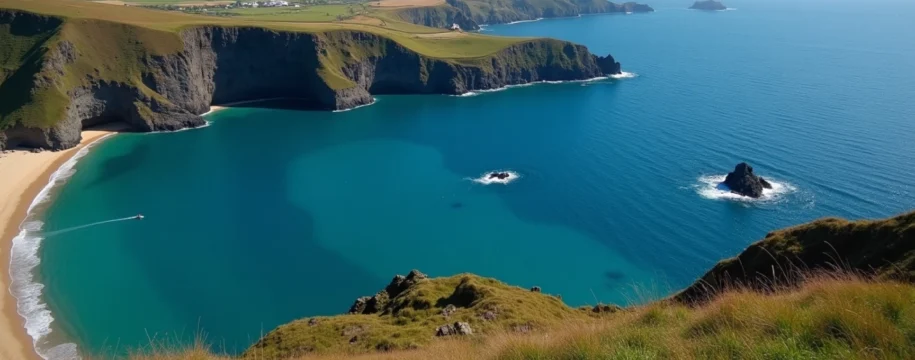
Scattered across the vast expanse of the North Atlantic Ocean, the Azores archipelago represents one of Europe’s most remarkable yet overlooked travel destinations. This Portuguese autonomous region, comprising nine volcanic islands, sits approximately 1,500 kilometres west of mainland Portugal, offering visitors an extraordinary blend of dramatic landscapes, geothermal wonders, and pristine natural environments. The archipelago’s remote location has preserved its authentic character, creating a destination where sustainable tourism thrives alongside traditional island culture.
The Azores present a compelling alternative to mainstream European destinations, combining the accessibility of modern infrastructure with the raw beauty of untouched volcanic terrain. From the emerald crater lakes of São Miguel to the UNESCO World Heritage sites of Terceira, each island offers distinct experiences that cater to diverse travel preferences. The archipelago’s commitment to environmental conservation and sustainable development ensures that visitors can explore these Atlantic gems whilst contributing to their long-term preservation.
Azores archipelago geography and strategic atlantic location
Nine volcanic islands formation and geological characteristics
The Azores archipelago emerged from the Atlantic depths through millions of years of volcanic activity, creating a chain of islands that showcase some of Europe’s most dramatic geological formations. Each island represents a unique chapter in volcanic history, with distinct characteristics shaped by different eruption patterns and cooling processes. The eastern group comprises São Miguel and Santa Maria, the central group includes Terceira, Graciosa, São Jorge, Pico, and Faial, whilst Flores and Corvo form the western cluster.
These volcanic origins have blessed the islands with extraordinary diversity in topography and soil composition. Crater lakes, known locally as lagoas , punctuate the landscape, whilst thermal springs and fumaroles provide evidence of ongoing geothermal activity beneath the surface. The fertile volcanic soil supports unique agricultural practices, including the cultivation of pineapples in heated greenhouses and the production of distinctive wines on Pico’s lava-stone terraces.
Mid-atlantic ridge positioning and tectonic significance
The strategic position of the Azores along the Mid-Atlantic Ridge places the archipelago at the intersection of three major tectonic plates: the Eurasian, African, and North American plates. This unique geological setting explains the ongoing seismic and volcanic activity that continues to shape the islands’ landscapes. The triple junction creates a complex network of fault lines and volcanic vents that contribute to the archipelago’s diverse geothermal features.
This tectonic activity has produced remarkable geological phenomena, including the underwater volcanic systems that extend far beyond the visible island boundaries. Recent studies indicate that the Azores plateau encompasses an area significantly larger than the terrestrial landmass, with numerous seamounts and underwater volcanic structures contributing to the region’s extraordinary marine biodiversity.
Subtropical climate patterns and microclimatic variations
The Azores benefit from a temperate oceanic climate influenced by the Gulf Stream, creating year-round mild temperatures that rarely exceed 25°C in summer or drop below 10°C in winter. This climate stability supports the lush vegetation that has earned the archipelago comparisons to tropical paradises, despite its location at a latitude similar to that of Portugal’s mainland.
Microclimatic variations across the islands create diverse environmental conditions within remarkably short distances. Coastal areas typically experience more stable weather patterns, whilst mountainous interior regions often encounter sudden changes in temperature and precipitation. These variations support an extraordinary range of endemic plant species, with each island hosting unique botanical communities adapted to specific local conditions. The phenomenon of horizontal precipitation , where moisture-laden clouds deposit water directly on vegetation, plays a crucial role in maintaining the islands’ verdant landscapes.
Marine protected areas and UNESCO biosphere reserves
The waters surrounding the Azores support one of the Atlantic’s most diverse marine ecosystems, protected through an extensive network of marine reserves and conservation areas. These protected zones encompass critical habitats for numerous cetacean species, including resident populations of sperm whales and seasonal visitors such as blue whales and various dolphin species. The marine protected areas cover approximately 30% of the archipelago’s territorial waters, making them among Europe’s most comprehensively protected marine environments.
Several islands have received UNESCO Biosphere Reserve designation, recognising their exceptional biodiversity and commitment to sustainable development. Graciosa, Flores, and Corvo hold this prestigious status, whilst other islands implement similar conservation principles through regional protection schemes. These designations support research initiatives and sustainable tourism practices that ensure visitor activities complement rather than compromise the islands’ ecological integrity.
São miguel island premium attractions and hidden gems
Sete cidades twin lakes crater complex
The Sete Cidades crater complex stands as São Miguel’s most iconic natural wonder, featuring twin lakes nestled within a massive volcanic caldera that spans approximately 12 kilometres in circumference. The famous Lagoa Azul and Lagoa Verde present contrasting colours that shift dramatically throughout the day, creating photographic opportunities that capture the essence of the Azores’ volcanic heritage. Multiple viewpoints around the crater rim offer distinct perspectives, with the Vista do Rei providing the most comprehensive panoramic views.
The surrounding landscape encompasses traditional agricultural villages where local farmers continue to cultivate crops within the fertile crater floor. Hiking trails traverse the caldera rim, offering opportunities to explore endemic flora and observe the complex geological formations that created this remarkable natural amphitheatre. The area supports several endemic plant species found nowhere else on Earth, making it a crucial site for botanical conservation and scientific research.
Furnas valley geothermal hot springs and terra nostra park
Furnas Valley represents the epicentre of São Miguel’s geothermal activity, where visitors can witness the raw power of underground volcanic forces through numerous hot springs, fumaroles, and geysers. The village of Furnas itself sits within an active volcanic crater, creating a unique settlement where residents live alongside constantly bubbling hot springs and steam vents. The famous Cozido das Furnas , a traditional stew cooked underground using natural geothermal heat, exemplifies the practical applications of this volcanic activity.
Terra Nostra Park offers one of Europe’s most extraordinary botanical experiences, combining a historic 18th-century garden with natural thermal pools that maintain constant temperatures year-round. The park’s iron-rich thermal pool, recognisable by its distinctive amber colour, provides therapeutic bathing opportunities amidst tropical vegetation that includes species from around the globe. The garden itself showcases over 2,000 tree species, creating a living museum of botanical diversity that thrives in the unique microclimate created by geothermal activity.
Lagoa do fogo natural reserve and hiking trails
Lagoa do Fogo occupies a pristine crater at the centre of São Miguel, surrounded by a strictly protected nature reserve that maintains one of the archipelago’s most unspoiled environments. Access to this remarkable lake requires advance planning, as visitor numbers are carefully controlled to preserve the area’s ecological integrity. The crystal-clear waters reflect the surrounding volcanic walls, creating mirror-like conditions that enhance the otherworldly atmosphere of this elevated sanctuary.
The hiking trails around Lagoa do Fogo traverse diverse ecosystems, from coastal vegetation at lower elevations to alpine-like conditions near the crater rim. These paths provide opportunities to observe endemic birds, including the Azores bullfinch, whilst showcasing the dramatic landscape transitions that characterise volcanic island environments. The reserve’s strict protection measures ensure that this pristine environment remains unaltered, offering visitors a glimpse of how the Azores appeared before human settlement.
Ribeira grande coastal settlement and traditional architecture
Ribeira Grande exemplifies the harmonious integration of traditional Azorean architecture with dramatic coastal landscapes, featuring colonial-era buildings constructed from local volcanic stone and adorned with distinctive architectural elements. The town’s historic centre showcases well-preserved examples of 16th and 17th-century urban planning, with narrow cobblestone streets and traditional houses that reflect centuries of Portuguese colonial influence adapted to Atlantic island conditions.
The surrounding coastline offers some of São Miguel’s most spectacular scenery, including natural swimming pools formed by volcanic activity and black sand beaches that demonstrate the ongoing influence of geological processes. The area supports important agricultural activities, particularly the cultivation of tea at Europe’s only commercial tea plantations, where visitors can observe traditional processing methods that have remained virtually unchanged for over a century.
Pineapple plantations and volcanic soil agriculture
São Miguel’s unique pineapple cultivation represents one of Europe’s most unusual agricultural achievements, utilising geothermal heating and volcanic soil to create tropical growing conditions at temperate latitudes. The greenhouses of Faja de Baixo demonstrate innovative agricultural techniques developed specifically for Atlantic island conditions, where natural ground heat eliminates the need for artificial heating systems whilst volcanic soil provides optimal growing medium.
These agricultural innovations extend beyond pineapple cultivation to include diverse crops that benefit from the islands’ fertile volcanic soils and stable climate. Traditional farming methods incorporate terracing systems that prevent soil erosion whilst maximising agricultural productivity on steep volcanic slopes. The integration of modern sustainable practices with traditional knowledge creates agricultural systems that serve as models for sustainable island agriculture worldwide.
Terceira and faial islands cultural heritage sites
Angra do heroísmo UNESCO world heritage historic centre
Angra do Heroísmo stands as the Azores’ most significant cultural treasure, recognised by UNESCO for its exceptional preservation of Portuguese Renaissance urban planning and architecture. This historic city served as a crucial waystation for Spanish and Portuguese fleets during the Age of Exploration, accumulating wealth and cultural influences that shaped its distinctive character. The meticulously preserved historic centre showcases centuries of architectural evolution whilst maintaining its original Renaissance street grid and building proportions.
The city’s fortification system, including the imposing São João Baptista fortress, demonstrates the strategic military importance of the Azores in controlling Atlantic shipping routes. These defensive structures now serve as museums and cultural venues that interpret the archipelago’s role in global maritime history. The annual Sanjoaninas festivals transform Angra’s historic streets into vibrant celebrations of Azorean culture, featuring traditional music, dance, and culinary traditions that have evolved over five centuries of island life.
Algar do carvão volcanic chimney underground exploration
Algar do Carvão offers visitors the extraordinary opportunity to descend into an extinct volcanic chimney, exploring underground chambers that showcase the internal structure of volcanic activity. This remarkable geological formation penetrates 100 metres into Terceira’s volcanic core, revealing layered rock formations and underground lakes that demonstrate the complex processes involved in volcanic island formation. The descent through carefully constructed walkways provides intimate access to geological phenomena typically hidden from surface observation.
The cave system maintains constant temperatures and humidity levels that support unique ecosystems adapted to underground volcanic environments. Specialised lighting systems illuminate the intricate rock formations whilst preserving the cave’s natural atmosphere, creating an educational experience that combines adventure with scientific interpretation. The site serves as a natural laboratory for understanding volcanic processes, offering insights into the geological forces that continue to shape the Azores archipelago.
Horta marina transatlantic yacht haven and peter café sport
Horta Marina functions as one of the Atlantic’s most important yacht harbours, serving as a crucial stopover for transatlantic sailors since the early 20th century. The marina’s walls display thousands of paintings left by visiting crews, creating a unique open-air gallery that documents decades of maritime adventure and international friendship. This tradition transforms the harbour into a living museum of sailing culture, where each artwork tells the story of oceanic journeys and the universal appeal of the Azorean islands.
Peter Café Sport has achieved legendary status among the international sailing community, serving as an informal communication centre and gathering place for seafarers from around the globe. The establishment’s collection of maritime memorabilia and its role in facilitating connections between sailors creates a unique cultural institution that bridges local Azorean traditions with global maritime culture. The café’s gin collection, recognised by Guinness World Records, reflects the cosmopolitan influences that shape modern Azorean society.
Capelinhos volcano interpretation centre and lighthouse
The Capelinhos Volcano Interpretation Centre commemorates one of the 20th century’s most significant volcanic events, when submarine eruptions added new land to Faial’s western coast between 1957 and 1958. This remarkable volcanic episode, witnessed and documented by international media, created a lunar-like landscape that remains largely unchanged more than six decades later. The interpretation centre utilises advanced multimedia presentations to explain volcanic processes whilst preserving the dramatic visual impact of the original eruption site.
The partially buried lighthouse serves as a powerful symbol of nature’s capacity to reshape island landscapes, its upper portions emerging from volcanic ash deposits that buried the surrounding village. Interactive exhibits explain the human impact of volcanic activity, including the emigration patterns that reshaped Azorean demographics and strengthened cultural connections with North American Portuguese communities. The site demonstrates the ongoing geological processes that continue to modify the archipelago’s geography.
Adventure tourism infrastructure and outdoor activities
The Azores have emerged as a premier destination for adventure tourism, offering diverse outdoor activities that take advantage of the archipelago’s unique volcanic landscapes and pristine marine environments. Professional guide services and specialised equipment rental facilities support activities ranging from technical volcanic climbing to gentle coastal hiking, ensuring that visitors of all skill levels can safely explore the islands’ natural wonders. The development of adventure tourism infrastructure follows strict environmental guidelines that preserve the very landscapes that attract outdoor enthusiasts.
Whale watching operations throughout the archipelago utilise traditional vigias (whale spotting stations) originally built for whaling operations, now repurposed for conservation-focused marine wildlife observation. These elevated observation posts provide early detection of whale and dolphin pods, allowing tour operators to position boats efficiently whilst minimising disturbance to marine wildlife. The transformation from hunting to observation reflects broader changes in Azorean attitudes towards marine conservation and sustainable tourism development.
The Azores offer some of the world’s most reliable whale watching opportunities, with over 20 cetacean species regularly observed in the archipelago’s nutrient-rich waters throughout the year.
Hiking infrastructure includes well-maintained trail networks that traverse diverse landscapes from coastal paths to high-altitude crater rims. The Trilhos dos Açores system encompasses dozens of marked routes that showcase the geological and botanical diversity of each island whilst ensuring visitor safety through proper signage and emergency communication points. These trails incorporate traditional paths used by local communities for centuries, creating authentic experiences that connect visitors with Azorean rural traditions and landscape management practices.
Canyoning and thermal spring exploration offer unique opportunities to experience the archipelago’s volcanic heritage through guided adventures that combine physical challenge with geological education. Professional operators maintain strict safety protocols whilst providing access to otherwise inaccessible waterfalls, hot springs, and volcanic formations. The integration of adventure activities with scientific interpretation creates meaningful experiences that foster appreciation for the Azores’ geological significance and conservation importance.
Sustainable travel logistics and accessibility solutions
TAP air portugal direct flight routes from mainland europe
TAP Air Portugal operates comprehensive flight networks connecting the Azores with major European cities, making the archipelago increasingly accessible to mainland European travellers. Direct seasonal routes from cities including London, Paris, Frankfurt, and Amsterdam eliminate the traditional requirement for connections through Lisbon, significantly reducing travel time and complexity. These direct services typically operate from April through October, coinciding with optimal weather conditions for outdoor activities and marine wildlife observation.
Year-round connections through Lisbon provide consistent accessibility whilst offering opportunities to explore mainland Portugal as part of extended itineraries. The airline’s commitment to sustainable aviation practices includes modern fuel-efficient aircraft and carbon offset programmes that align with the Azores’ environmental conservation priorities. Advance booking opportunities and seasonal fare variations allow travellers to plan cost-effective trips that support the archipelago’s sustainable tourism objectives.
Inter-island SATA air açores connection network
SATA Air Açores operates a comprehensive inter-island flight network that enables efficient island-hopping throughout the archipelago, with most connections taking less than 90 minutes. The airline’s modern turboprop fleet is specifically designed for short-distance island operations, providing reliable service despite challenging Atlantic weather conditions. Frequent daily services between major islands allow flexible itinerary planning, whilst seasonal services to smaller islands ensure comprehensive accessibility across the entire archipelago.
Ferry services complement air connections, offering scenic sea voyages that enhance the travel experience whilst providing more economical transportation options. The ferry network particularly excels in connecting the central island group, where shorter distances make maritime transportation both practical and enjoyable. Advance booking systems ensure coordination between air and sea services, creating seamless inter-island transportation that supports comprehensive exploration of the archipelago’s diverse destinations.
Car rental services and scenic coastal road networks
Comprehensive car rental services operate from all airports and major towns, offering vehicles suitable for the archipelago’s diverse road conditions and terrain. The road networks showcase remarkable engineering achievements that provide access to remote viewpoints and natural attractions whilst preserving landscape integrity through careful route planning
and terrain preservation. These road systems typically feature two-lane highways with designated viewpoint parking areas that allow safe stops for photography and sightseeing without compromising traffic flow or environmental integrity.
The scenic coastal road networks showcase spectacular Atlantic vistas whilst providing access to traditional fishing villages, natural swimming pools, and coastal hiking trail entrances. Many routes incorporate historical elements, including preserved sections of original cobblestone roads and traditional stone walls that demonstrate centuries of Azorean engineering heritage. GPS navigation systems specifically designed for island conditions help visitors navigate efficiently whilst highlighting points of interest and safety considerations relevant to Atlantic island driving conditions.
Eco-certified accommodation options and rural tourism quintas
The Azores hospitality sector emphasises environmental sustainability through a growing network of eco-certified accommodations that demonstrate best practices in energy efficiency, water conservation, and waste management. These establishments range from boutique hotels utilising geothermal heating systems to rural quintas that integrate traditional agricultural practices with contemporary comfort standards. Many properties achieve certification through programmes that verify sustainable operations whilst enhancing the authentic Azorean experience through local sourcing and cultural programming.
Rural tourism quintas offer immersive experiences that connect visitors with traditional Azorean agricultural practices, including hands-on participation in seasonal farming activities and traditional craft demonstrations. These working farms provide accommodation within historic buildings that have been carefully restored to maintain architectural authenticity whilst incorporating modern amenities. Guests can participate in activities ranging from cheese making and wine production to traditional bread baking and organic gardening, creating meaningful connections with local culture and sustainable living practices.
Rural quintas represent the perfect fusion of authentic Azorean hospitality with sustainable tourism practices, offering visitors intimate access to traditional island life whilst supporting local agricultural communities.
Luxury eco-resorts demonstrate how premium hospitality can align with environmental stewardship through innovative design solutions that minimise environmental impact whilst maximising guest comfort. These properties often incorporate renewable energy systems, water recycling technologies, and locally sourced building materials that reflect volcanic landscape aesthetics. The integration of spa facilities utilising natural thermal waters creates unique wellness experiences that celebrate the archipelago’s geothermal heritage whilst providing therapeutic benefits unavailable elsewhere in Europe.
Culinary specialities and traditional azorean gastronomy
Azorean cuisine represents a distinctive fusion of Portuguese culinary traditions adapted to Atlantic island ingredients and cooking methods, creating flavours that reflect centuries of maritime influence and volcanic terroir. The archipelago’s isolation fostered culinary innovation, with island cooks developing unique preparation methods that maximise the natural qualities of local ingredients whilst incorporating influences from visiting sailors and immigrant communities. Traditional recipes passed down through generations showcase the resourcefulness required for island living whilst celebrating the abundance of fresh seafood and volcanic soil produce.
The famous Cozido das Furnas exemplifies the creative application of geothermal energy to culinary arts, with this traditional stew slow-cooked underground using natural volcanic heat for six to seven hours. This cooking method imparts distinctive flavours impossible to replicate through conventional techniques, whilst the communal preparation and serving traditions create social experiences that strengthen community bonds. The dish typically combines various meats, vegetables, and local sausages, with each family maintaining secret ingredient combinations passed down through generations.
Seafood preparations showcase the extraordinary diversity of Atlantic species available in Azorean waters, from the prized lapas (limpets) grilled with garlic butter to elaborate caldeirada fish stews that combine multiple species with vegetables and aromatic herbs. Traditional preservation methods, including salt cod preparation and fish smoking techniques, demonstrate historical approaches to food security whilst creating distinctive flavour profiles that define Azorean cuisine. Many restaurants maintain their own fishing boats, ensuring the freshest possible ingredients whilst supporting sustainable fishing practices that preserve marine ecosystems.
The archipelago’s unique agricultural products contribute distinctive elements to traditional recipes, including the sweet Azorean pineapples that enhance both savoury and dessert preparations. Local cheese production, particularly the renowned Queijo de São Jorge, creates aged varieties that reflect the mineral-rich volcanic pastures and traditional production methods maintained for centuries. Wine production on Pico Island utilises UNESCO-protected vineyards where grapes grow in volcanic soil protected by traditional stone barriers, creating wines with distinctive mineral characteristics that perfectly complement local seafood and meat dishes.
Traditional festivals and celebrations provide opportunities to experience authentic Azorean gastronomy within its cultural context, with events like the Festa do Espírito Santo featuring communal meals that showcase regional specialities and traditional preparation methods. These celebrations demonstrate the central role of food in Azorean social life whilst preserving culinary traditions that might otherwise disappear in an increasingly globalised world. Local markets throughout the archipelago offer direct access to traditional ingredients and artisanal products, creating opportunities for visitors to engage with local producers whilst supporting sustainable agriculture and traditional craft practices.