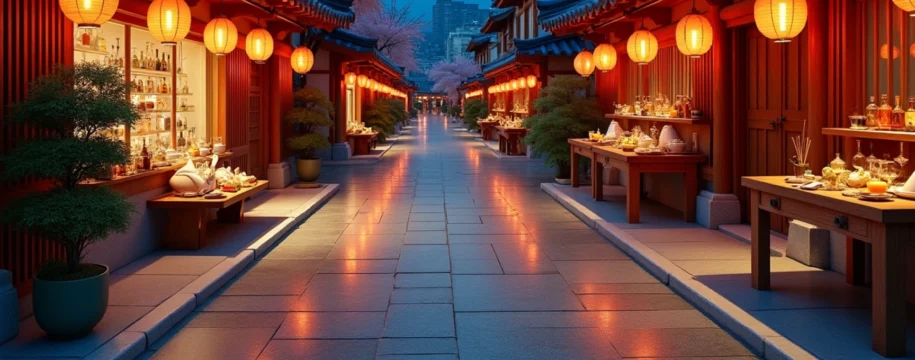
Seoul stands as one of Asia’s most dynamic metropolises, where ancient traditions seamlessly blend with cutting-edge technology and vibrant contemporary culture. This sprawling capital offers an extraordinary tapestry of experiences that can transform a five-day visit into a profound cultural immersion. From the intricate wooden architecture of centuries-old hanok villages to the pulsating energy of underground club scenes, Seoul presents layers of discovery that reward both casual tourists and dedicated cultural enthusiasts.
The city’s unique positioning as a bridge between East and West creates an atmosphere unlike any other Asian capital. Traditional tea ceremonies unfold steps away from internationally acclaimed Michelin-starred restaurants, while centuries-old palaces provide a serene backdrop to some of the world’s most innovative nightlife districts. Seoul’s remarkable ability to preserve its heritage whilst embracing modernity makes it an ideal destination for travellers seeking both cultural depth and contemporary excitement.
Strategic itinerary planning for seoul’s cultural triangle districts
Seoul’s cultural districts form interconnected zones that allow visitors to experience the city’s diverse personality within walking distance or short subway rides. The strategic arrangement of these areas enables efficient exploration whilst maintaining the flexibility to dive deeper into particular interests. Understanding the geographic and cultural relationships between these districts transforms a typical tourist itinerary into a cohesive narrative of Seoul’s evolution from ancient kingdom to global cultural powerhouse.
The optimal approach involves clustering activities within specific areas to maximise both time and cultural immersion. Morning visits to traditional sites when crowds are lighter, followed by afternoon cultural exploration and evening entertainment, creates a natural rhythm that aligns with local customs. This methodology allows visitors to experience authentic Seoul life rather than simply checking off tourist attractions from a predetermined list.
Bukchon hanok village traditional architecture walking routes
Bukchon Hanok Village represents Seoul’s most accessible window into traditional Korean residential architecture, featuring over 900 hanok structures dating from the Joseon Dynasty. The village’s narrow stone pathways wind between beautifully preserved wooden houses that now serve as cultural centres, art galleries, and traditional tea houses. The optimal walking route begins at Anguk Station and follows the numbered viewpoints, each offering unique perspectives on traditional Korean urban planning principles.
The architectural significance extends beyond mere aesthetics, demonstrating sophisticated environmental adaptation techniques developed over centuries. Traditional ondol heating systems, curved rooflines designed for optimal water drainage, and courtyard layouts that maximise natural light showcase Korean ingenuity in creating comfortable living spaces within harsh seasonal variations. These design principles continue to influence contemporary Korean architecture , making Bukchon an essential study in cultural continuity.
Insadong antique quarter and ssamziegil spiral gallery complex
Insadong functions as Seoul’s primary cultural shopping district, where traditional crafts, antique shops, and contemporary art galleries create a vibrant marketplace for Korean cultural heritage. The main street features dozens of shops specialising in traditional paper, calligraphy supplies, ceramics, and handcrafted textiles. Ssamziegil’s innovative spiral design guides visitors through four floors of artisan workshops and boutiques, culminating in a rooftop garden that provides panoramic views of the surrounding hanok neighbourhood.
The district’s tea culture deserves particular attention, with traditional tea houses offering ceremonies that demonstrate proper preparation and consumption techniques for various Korean teas. These experiences provide cultural context for understanding Korean hospitality customs and the meditative aspects of traditional Korean daily life. Weekend visits often feature street performances and cultural demonstrations that bring traditional arts to life for contemporary audiences.
Myeongdong cathedral and jung-gu historical preservation zone
Myeongdong Cathedral stands as Korea’s first Gothic Catholic cathedral and serves as a powerful symbol of the country’s complex relationship with foreign influences. The surrounding Jung-gu district contains numerous sites significant to Korea’s modern history, including locations connected to the Japanese occupation period and subsequent liberation. The preservation efforts in this area demonstrate Seoul’s commitment to maintaining historical memory whilst accommodating urban development pressures.
The cathedral’s architectural details reveal fascinating adaptations of European Gothic style to Korean materials and climate conditions. The surrounding area features a mixture of historical sites, traditional markets, and modern shopping districts that illustrate Seoul’s layered urban development. This juxtaposition creates unique photographic opportunities and provides tangible examples of how Seoul negotiates between preservation and progress.
Hongdae university district creative arts ecosystem
Hongdae’s reputation as Seoul’s creative heart stems from its proximity to Hongik University’s fine arts programme, which has fostered decades of artistic innovation and cultural experimentation. The district’s underground venues, independent galleries, and street art culture represent Korea’s contemporary creative energy at its most unfiltered. Late-night art markets, impromptu musical performances, and experimental theatre productions create an atmosphere that feels distinctly different from Seoul’s more formal cultural sites.
The area’s club scene operates as more than entertainment, functioning as cultural laboratories where Korean youth experiment with identity, artistic expression, and social relationships. Independent record labels, artist collectives, and alternative fashion designers use Hongdae as their primary testing ground for new concepts. Understanding this ecosystem requires evening and late-night exploration when the district truly comes alive with creative energy.
Seoul’s gastronomic landscape: from street food markets to Michelin-Starred establishments
Seoul’s culinary scene represents one of the world’s most sophisticated food cultures, spanning from centuries-old market traditions to internationally acclaimed fine dining establishments. The city’s approach to food extends far beyond mere sustenance, encompassing social customs, seasonal awareness, and philosophical principles about balance and harmony. Recent decades have seen Seoul emerge as a global culinary destination, with Korean cuisine gaining international recognition whilst maintaining strong connections to traditional preparation methods and ingredients.
The diversity of Seoul’s food landscape reflects the city’s openness to innovation whilst preserving cultural authenticity. Traditional fermentation techniques that create kimchi and other preserved foods demonstrate Korean mastery of complex flavour development, whilst contemporary chef interpretations of these classics showcase creative evolution. Street food vendors operating from the same locations for multiple generations work alongside restaurants that redefine Korean cuisine for international audiences, creating a food culture that honours both tradition and innovation.
Gwangjang market bindaetteok and mayak gimbap vendors
Gwangjang Market operates as Seoul’s most authentic traditional food market, where vendors have perfected specific dishes over multiple generations. The bindaetteok stalls demonstrate traditional Korean pancake preparation using mung beans, vegetables, and various proteins cooked on large griddles that have been seasoned by decades of use. These vendors represent living links to Korean culinary traditions, maintaining preparation methods and flavour profiles that have remained largely unchanged for over a century.
Mayak gimbap, literally translated as “drug kimbap” due to its addictive qualities, showcases Korean innovation in creating convenient, flavourful foods. These bite-sized rice rolls filled with pickled vegetables, egg, and various proteins demonstrate Korean mastery of balanced flavours and textures. The market’s communal dining atmosphere, where strangers share tables and conversations, provides insight into Korean social customs and the role of food in community building.
Gangnam-gu fine dining: jungsik and mingles contemporary korean cuisine
Seoul’s fine dining scene has achieved international recognition through restaurants that elevate traditional Korean ingredients and techniques to create entirely new culinary experiences. These establishments demonstrate how Korean cuisine can be reimagined for global audiences whilst maintaining cultural authenticity and seasonal awareness. The precise presentation, innovative cooking techniques, and sophisticated flavour combinations represent Korean culinary arts at their most refined level.
Contemporary Korean restaurants focus heavily on ingredients sourced from specific Korean regions, highlighting terroir concepts that were traditionally implicit in Korean cuisine but rarely explicitly celebrated. These culinary approaches demonstrate deep respect for traditional Korean agricultural practices whilst employing modern cooking techniques to enhance natural flavours. The resulting dishes tell stories about Korean landscape, seasons, and cultural values through carefully crafted culinary narratives that engage multiple senses.
Itaewon international food corridor and Halal-Certified restaurants
Itaewon’s international food scene reflects Seoul’s growing multicultural population and the Korean food industry’s adaptability to diverse dietary requirements. The district features authentic restaurants representing cuisines from across the globe, many operated by immigrants who bring traditional recipes and preparation methods from their home countries. Halal-certified establishments demonstrate Seoul’s accommodation of Muslim residents and visitors, featuring Korean dishes prepared according to Islamic dietary laws alongside traditional Middle Eastern and South Asian cuisines.
The international food corridor also showcases Korean fusion concepts that blend local ingredients with foreign cooking techniques, creating unique hybrid cuisines that reflect Seoul’s cosmopolitan character. These restaurants serve as cultural bridges, introducing Korean diners to international flavours whilst providing comfort foods for Seoul’s international community. The resulting culinary landscape demonstrates how food serves as a universal language that transcends cultural boundaries.
Namdaemun market traditional hotteok and mandu stalls
Namdaemun Market’s traditional hotteok vendors maintain preparation methods that have remained virtually unchanged for over five decades, creating sweet pancakes filled with brown sugar, nuts, and cinnamon that represent Korean winter comfort food at its finest. These vendors demonstrate remarkable consistency in their products, using techniques passed down through family generations and maintaining relationships with specific suppliers for their ingredients.
Mandu preparation at Namdaemun showcases the diversity of Korean dumpling traditions, with vendors specialising in different regional styles and fillings. The hand-folding techniques required for proper mandu construction represent skilled craftsmanship that requires years to master. Watching vendors create hundreds of perfectly shaped dumplings provides appreciation for the manual skills that underpin much of Korean cuisine, even as automated production becomes more common elsewhere.
Seoul’s After-Dark entertainment districts and nightlife ecosystems
Seoul’s nightlife culture operates on principles fundamentally different from Western entertainment districts, emphasising group socialising, relationship building, and stress relief from intense work schedules. The Korean concept of “hoesik” (company dinner) and “cha” (secondary location) creates structured social progression through multiple venues during single evening outings. Understanding these cultural patterns enhances appreciation for Seoul’s sophisticated entertainment infrastructure and social customs that govern after-dark activities.
The variety of Seoul’s nightlife options reflects Korean creativity in developing unique entertainment formats that serve specific social functions. Karaoke rooms provide private spaces for group bonding, whilst rooftop bars offer sophisticated environments for business networking. Seoul’s entertainment districts cater to diverse age groups, income levels, and social purposes , creating comprehensive ecosystems that support various forms of social interaction and cultural expression.
Gangnam station club octagon and arena electronic music venues
Gangnam’s electronic music scene represents Seoul’s connection to global club culture, featuring world-class sound systems, international DJ lineups, and production values that rival the best venues worldwide. Club Octagon has achieved international recognition for its technical specifications and programming, regularly hosting electronic music artists who perform at major festivals across Asia and Europe. The venue’s design incorporates advanced acoustic engineering and visual systems that create immersive experiences for electronic music enthusiasts.
These venues demonstrate Korean expertise in creating entertainment experiences that combine cutting-edge technology with sophisticated crowd management and customer service. The clientele includes both Korean electronic music fans and international visitors, creating multicultural environments where music serves as a common language. Korean club culture emphasises group experiences over individual expression, with table service and group bookings being more common than individual attendance.
Itaewon hamilton hotel rooftop bars and international pub scene
Itaewon’s rooftop bar scene provides sophisticated drinking environments that showcase Seoul’s skyline whilst catering to international tastes and social customs. These venues feature extensive cocktail programmes, international wine selections, and food menus that blend Korean ingredients with international preparation styles. The elevated locations provide stunning views of Han River, N Seoul Tower, and the city’s evolving architectural landscape.
The international pub culture in Itaewon serves Seoul’s expatriate community whilst providing Korean patrons with authentic international drinking experiences. These establishments import specific beers, spirits, and bar snacks from various countries, creating authentic cultural environments that transport visitors to different drinking cultures. The multicultural atmosphere encourages cultural exchange between Korean locals and international residents, fostering understanding through shared social experiences.
Hongdae playground live music venues and indie band culture
Hongdae’s live music scene functions as the primary incubator for Korean independent music, providing performance spaces for emerging bands across multiple genres. Venues ranging from intimate basement clubs to medium-sized concert halls support live music culture that emphasises artistic expression over commercial success. The district’s proximity to art schools creates audiences that appreciate experimental music and support emerging artists through dedicated fandom culture.
Korean indie music culture demonstrates interesting hybridisation between traditional Korean musical elements and international rock, electronic, and hip-hop influences. Local bands often incorporate traditional Korean instruments, scales, and rhythmic patterns into contemporary compositions, creating unique sounds that reflect Korean cultural identity within global music contexts. The live music venues also serve as social spaces where young Koreans explore identity, relationships, and artistic expression outside mainstream cultural expectations.
Banpo rainbow bridge hangang park night picnic areas
Banpo Rainbow Bridge’s light and fountain shows create spectacular nighttime entertainment that combines technology, art, and nature along Han River. The synchronised water and light displays occur multiple times nightly during warmer months, drawing crowds who gather in adjacent park areas for evening picnics and social gatherings. This attraction represents Korean innovation in creating public entertainment that serves community building functions whilst showcasing technological capabilities.
The surrounding park areas demonstrate Korean picnic culture, where convenience store purchases, portable grills, and group games create informal entertainment experiences. These gatherings showcase Korean social customs around food sharing, group activities, and outdoor recreation. The combination of high-tech entertainment with traditional outdoor socialising exemplifies Seoul’s approach to balancing technological advancement with community-oriented cultural values.
Cultural immersion through seoul’s palace complexes and museums
Seoul’s five grand palaces represent the pinnacle of Korean architectural achievement and provide comprehensive insights into Joseon Dynasty political, social, and cultural systems that governed Korea for over five centuries. Gyeongbokgung Palace, the largest and most significant, demonstrates Korean mastery of feng shui principles, with building placement designed to harmonise with natural landscape features whilst providing optimal functionality for royal court activities. The palace’s reconstruction following Japanese occupation destruction showcases Korean commitment to preserving cultural heritage whilst adapting traditional techniques for contemporary preservation standards.
Changdeokgung Palace’s Secret Garden represents Korean landscape design philosophy that emphasises natural beauty enhanced through subtle human intervention rather than dramatic transformation. The garden’s walking paths, pavilions, and water features demonstrate sophisticated understanding of how built environments can complement natural settings whilst providing spaces for contemplation and artistic appreciation. These design principles continue to influence contemporary Korean approaches to urban planning and landscape architecture , making palace visits essential for understanding Korean aesthetic philosophy.
The National Museum of Korea houses over 220,000 cultural artifacts that span Korean history from prehistoric periods through contemporary times. The museum’s organisation allows visitors to trace cultural evolution through various dynasties whilst understanding how external influences from China, Japan, and the West have been adapted to Korean cultural contexts. Special exhibitions frequently focus on specific aspects of Korean culture, such as traditional ceramics, Buddhist art, or contemporary cultural movements, providing opportunities for deeper exploration of particular interests.
Modern Korean museums demonstrate world-class curation and presentation standards that make cultural artifacts accessible to international audiences whilst maintaining scholarly depth and cultural authenticity.
Bukchon Traditional Culture Center and various hanok museums provide intimate settings for understanding daily life during different historical periods. These smaller institutions often feature hands-on activities such as traditional craft workshops, tea ceremonies, and cultural performances that allow visitors to experience Korean traditions actively rather than passively observing artifacts. The personal scale of these experiences creates lasting memories and deeper cultural understanding than larger institutional visits often provide.
Transportation optimisation: seoul metropolitan subway and t-money card integration
Seoul’s metropolitan subway system ranks among the world’s most efficient and comprehensive urban transportation networks, featuring over 300 stations across 23 lines that connect virtually every significant district within the greater Seoul area. The system’s integration with bus networks, airport railways, and inter-city rail connections creates seamless transportation options that eliminate the need for private vehicle ownership for most urban activities. Understanding the system’s operational patterns, peak hours, and connection strategies enables visitors to navigate Seoul with confidence whilst experiencing the daily rhythms of local life.
T-money card integration extends beyond simple payment processing to include discounts, transfer credits, and access to various city services including some museum admissions and cultural facility discounts. The card system demonstrates Korean technological innovation in creating unified payment platforms that simplify urban living whilst providing data collection capabilities that enable continuous system improvements. T-money cards function as essential tools for participating in Seoul’s urban culture , providing access to transportation, shopping, and entertainment options throughout the metropolitan area.
| Line | Key Districts | Cultural Significance |
|---|
The subway system operates with remarkable punctuality, with trains arriving every 2-4 minutes during peak hours and maintaining consistent schedules throughout operating hours from approximately 5:30 AM to midnight. Understanding platform etiquette, such as allowing passengers to exit before boarding and standing on the right side of escalators, demonstrates respect for local customs whilst ensuring smooth navigation through crowded stations. Peak hour congestion between 7:30-9:00 AM and 6:00-8:00 PM requires strategic planning, though the efficient loading and unloading processes minimize delays even during maximum capacity periods.
Digital integration through smartphone applications provides real-time arrival information, route optimization, and integration with other transportation modes including bus connections and taxi services. The subway system’s multilingual signage and announcements accommodate international visitors whilst maintaining efficiency for local commuters who rely on the system for daily transportation needs throughout the metropolitan region.
Accommodation strategy: location analysis for gangnam, jung-gu, and mapo districts
Strategic accommodation selection in Seoul requires understanding how district characteristics align with individual travel priorities, cultural interests, and budget considerations. Each major district offers distinct advantages that cater to different travel styles and provide unique access to Seoul’s diverse cultural offerings. The choice between Gangnam’s modern luxury, Jung-gu’s historical significance, or Mapo’s creative energy fundamentally shapes the daily experience and determines which aspects of Seoul culture receive primary exposure.
Gangnam District represents Seoul’s modern face, featuring luxury hotels, high-end shopping districts, and sophisticated dining options that cater to business travellers and visitors seeking contemporary Korean experiences. The district’s excellent subway connections, particularly through Gangnam Station and Sinnonhyeon Station, provide efficient access to other Seoul districts whilst maintaining proximity to modern amenities and international business facilities. Gangnam accommodations offer premium services and facilities that justify higher costs through superior comfort levels and concierge services that facilitate cultural exploration throughout Seoul.
Jung-gu District positions visitors at the heart of Seoul’s historical and administrative center, providing walking access to major palaces, traditional markets, and government buildings that define Korean political and cultural identity. Accommodations in this area range from traditional hanok guesthouses that offer authentic Korean architectural experiences to modern business hotels that serve government and corporate visitors. The district’s central location minimizes transportation time to major attractions whilst providing immediate access to traditional Korean cultural experiences.
Mapo District, encompassing Hongdae and surrounding areas, caters to visitors prioritizing Seoul’s creative culture, nightlife scene, and university atmosphere. Accommodations here typically offer younger demographics, more casual environments, and easier access to live music venues, independent art galleries, and experimental dining options. The district attracts visitors seeking authentic Korean youth culture and creative expression rather than formal tourist attractions, though subway connections provide convenient access to historical sites when desired.
The optimal accommodation strategy involves matching district characteristics with individual cultural priorities whilst considering factors such as transportation convenience, budget constraints, and desired levels of tourist infrastructure support.
Budget considerations vary significantly across districts, with Gangnam commanding premium rates for luxury accommodations, Jung-gu offering mid-range options with historical character, and Mapo providing budget-friendly choices with cultural authenticity. Booking strategies should account for Seoul’s peak tourism seasons, particularly spring cherry blossom periods and autumn foliage seasons, when accommodation prices increase substantially and availability becomes limited. Advanced booking through international hotel platforms often provides better rates than local booking systems, though traditional hanok stays may require direct communication with property owners.
Transportation accessibility from each district affects daily itinerary efficiency and overall travel satisfaction. Gangnam’s position south of Han River requires longer commute times to northern historical sites but provides excellent access to southern districts and airport connections. Jung-gu offers optimal access to palaces, traditional markets, and central Seoul attractions whilst requiring longer travel times to modern districts and nightlife areas. Mapo’s western location balances access to both historical and contemporary attractions whilst providing authentic neighbourhood experiences that many visitors find more memorable than central tourist areas.
Cultural immersion opportunities vary dramatically based on accommodation location choices, with each district providing different windows into Korean society and daily life. Staying in traditional hanok accommodations offers insights into Korean architectural philosophy and domestic customs, whilst modern hotel experiences demonstrate contemporary Korean hospitality standards and service excellence. Neighbourhood interactions, local dining options, and daily cultural observations change significantly based on district selection, making accommodation choice a fundamental component of overall Seoul cultural education rather than merely a logistical necessity.